Sacramento bonsai club spotlights museum honors, beginner advice, and education
A museum tribute to Vince and Kathy Owyoung shows ABAS’s reach beyond Sacramento, while a wound-care meeting turns that momentum into practical training for growers.

Museum honor shows the club’s reach beyond Sacramento
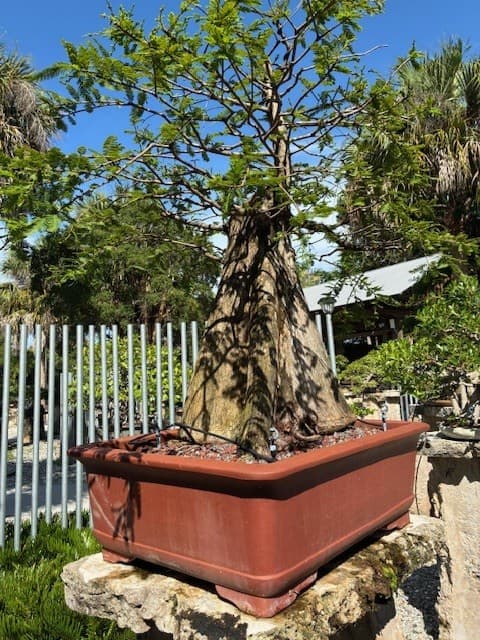
A permanent exhibit in Vince Owyoung’s honor at the Clark Bonsai Museum gives American Bonsai Association, Sacramento a public-facing win that goes far beyond a routine club update. The museum in Fresno recognized Vince and Kathy Owyoung for their continued support, and the honor landed during its World Bonsai Day program, where the museum also marked a 10th anniversary and highlighted its current exhibition of forest and multi-trunk bonsai.
The setting matters. The World Bonsai Day event at Shinzen Friendship Garden ran from 10:00 a.m. to 4:00 p.m. and brought together demos, a luncheon, a make-your-own bonsai workshop, a clinic, and a silent auction. For readers tracking where bonsai culture is visibly growing, that mix of programming shows how collections stay alive: not just through display, but through donors, volunteers, education, and repeat community involvement.
Clark Bonsai Museum is direct about that support model. The museum says help from supporters keeps the collection maintained and sustains educational and cultural programming. That makes the Owyoung recognition more than a ceremonial moment. It signals a deeper bonsai truth that local clubs know well: collections and exhibitions depend on long-term private commitment from people who keep showing up, funding, donating, and helping trees and institutions mature over time.
Why that recognition matters to the club calendar
For ABAS, the museum honor is part of a broader picture of what a club can be. It is not only a place for members to compare trees or swap advice. It is also a connector between local growers, regional institutions, and the public side of the art. That is especially clear when the same homepage that celebrates the Owyoungs also promotes teaching, beginner access, and stewardship support.
That combination gives the club’s calendar real weight. A club that can celebrate museum-level recognition, host beginner classes, and teach wound care is doing more than filling meeting nights. It is helping people enter the hobby, helping experienced members refine technique, and helping trees, collections, and knowledge survive the long haul.
Wound care meeting puts technique front and center
The next practical takeaway for members and newcomers is the ABAS monthly meeting on wound care at the Shepard Garden & Arts Center. Renee Seely and Carmen Scott, whom ABAS identifies as educators in its Seasonal Care YouTube series, will teach the ins and outs of wound care to promote healthy healing in trees. The club says the session is aimed at trees with large cuts and trees ready for thread grafting, which makes it especially useful for anyone working through structural recovery or trying to improve older material.
That is a smart topic for a club audience because wound work sits at the intersection of aesthetics and biology. Large cuts need patience, good technique, and realistic expectations, while thread grafting can turn an awkward trunk line or weak branch placement into something that reads older and more refined. ABAS’s framing shows exactly where the meeting is meant to land: practical help for trees that need repair now, and technique that supports long-term development later.
Beginner access stays open through Dig-in classes
ABAS is also keeping a clear path open for new members through its Dig-in classes. The club offered those beginner sessions on April 25, April 26, and May 3, 2026, with a class size limit and a cost of $25 per student per session. The dates themselves tell a useful story: the club is not treating entry-level bonsai as a once-a-year gesture. It is building repeatable access points for people who are still learning what bonsai work looks and feels like in practice.
That matters because beginner confidence often comes from handling material with guidance, not just from watching demonstrations. Dig-in classes give new people a chance to start with the basics in a supervised setting, which is especially important in a hobby where timing, technique, and aftercare all affect whether a tree improves or backslides. For a club that also supports more advanced work, these classes create the first bridge into the rest of the program.
Regular workshops keep the technical ladder in place
Once members move past the first step, ABAS says its member-led workshops are usually held nearly once a month, often in the Natomas area, and generally cost $20 toward supplies. That regular cadence is a major part of the club’s value. It means the group is not just offering one-off instruction, but a steady workflow where members can bring trees back, get feedback, and keep moving them forward.
That structure also helps explain why the wound-care meeting fits the club so well. Bonsai development is not a single lesson. It is a sequence of corrections, styling decisions, and recovery periods, and monthly workshops give that process a home. The club’s mix of beginner sessions and recurring member workshops creates a ladder from first contact to more advanced refinement, with each level tied to real material.
Stewardship support reinforces bonsai as a living collection
ABAS also puts stewardship on the table in a way that many clubs do not. Its Bonsai Stewardship and Estate Planning Program is designed to help people who can no longer care for their trees, including short-term support and, if necessary, help with the sale of some or all of a collection. That is a practical response to a real issue in bonsai: trees outlive schedules, homes change, and collections need a plan when a grower cannot keep up with care.
This is where the club’s public value becomes especially clear. Stewardship support protects trees, eases transitions, and keeps collections from disappearing when circumstances change. It also matches the museum-side recognition ABAS is celebrating, because both sides of the story are about continuity. One side honors donors who sustain a collection. The other gives members tools to protect their own trees when life gets complicated.
A club with roots deep enough to explain the present
ABAS says its roots reach back to Sacramento Bonsai in 1946 and ABAS in 1958, and that history helps explain why the current homepage reads like a live map of the club’s role in the region. The organization is old enough to have inherited a serious lineage, but active enough to keep moving with modern teaching tools, museum partnerships, and educational programming.
That blend is what makes the current moment notable. A museum tribute in Fresno, a podcast appearance by member and mentor Roger Steel on the Green Acres Garden Podcast, beginner classes for new growers, and an upcoming wound-care meeting all point to the same thing: ABAS is operating as a full bonsai ecosystem. It celebrates public recognition, teaches the next generation, and offers the kind of hands-on technical support that keeps trees healthy, collections intact, and the Sacramento bonsai community visibly connected to the wider world.
This article was produced by Prism’s automated news system from verified source data, official records, and press releases, then run through automated quality and moderation checks before publishing. The system is built and supervised by the people who set the standards it runs under. Read our full AI policy.
Did this article answer your question?