U.S. National Arboretum spotlights kusamono in three-day bonsai event
The Arboretum will give kusamono its own spotlight June 19-21, with free daily displays, demos and a Young Choe lecture-demonstration at the National Bonsai & Penjing Museum.
The U.S. National Arboretum is widening the bonsai conversation beyond trees with Wild Things: The Art of Kusamono, a three-day event at the National Bonsai & Penjing Museum that runs June 19 through June 21. Visitors will find the program split between the Arboretum Visitor Center/Administration Building and the museum’s Exhibits Gallery, with hours from 10 a.m. to 4 p.m. each day. Admission to the Arboretum and the museum is free, and no tickets are needed.
Kusamono, in the Arboretum’s framing, is the Japanese art of creating small, naturalistic plant compositions that celebrate grasses, wildflowers and other seasonal plants. The word itself comes from characters meaning “grass” and “thing,” and that plain definition points to what makes the form so compelling: kusamono is not a miniature tree substitute, but its own language of season, habitat and restraint. In bonsai display, it often appears as an accent; here, it takes center stage.
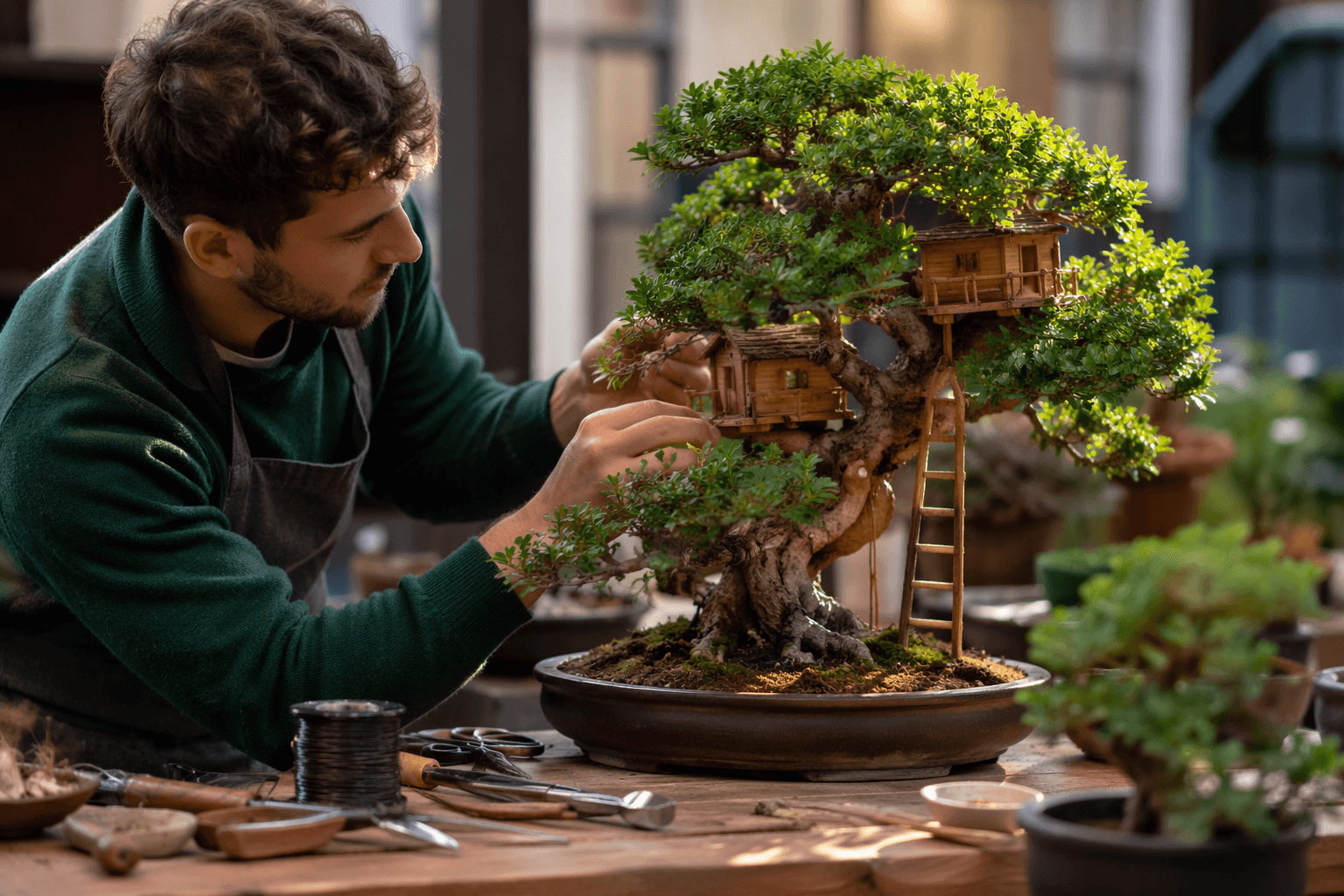
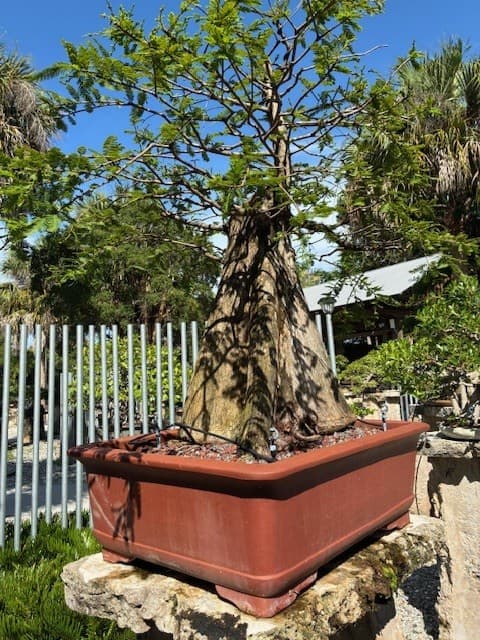
That shift matters inside the National Bonsai & Penjing Museum, where companion art forms already sit alongside the trees. The collection includes viewing stones, herbaceous companion plants, known as kusamono, and Japanese flower arrangements, or ikebana. By devoting an entire weekend to kusamono, the Arboretum is using a museum built for bonsai to show how much of the surrounding design vocabulary deserves equal attention.
The schedule gives the event a practical, working-gallery feel. Free demonstrations will run every day in the Exhibits Gallery, while Saturday brings a lecture-demonstration with Young Choe on June 20 from 10:30 a.m. to 12 p.m. in the Visitor Center auditorium. Sunday’s workshop, also led by Young Choe, is a fee-based session. Vendors on the East Terrace will sell kusamono plants, soil and ceramics, so the weekend will not just show finished compositions, it will also expose the materials that make them possible.
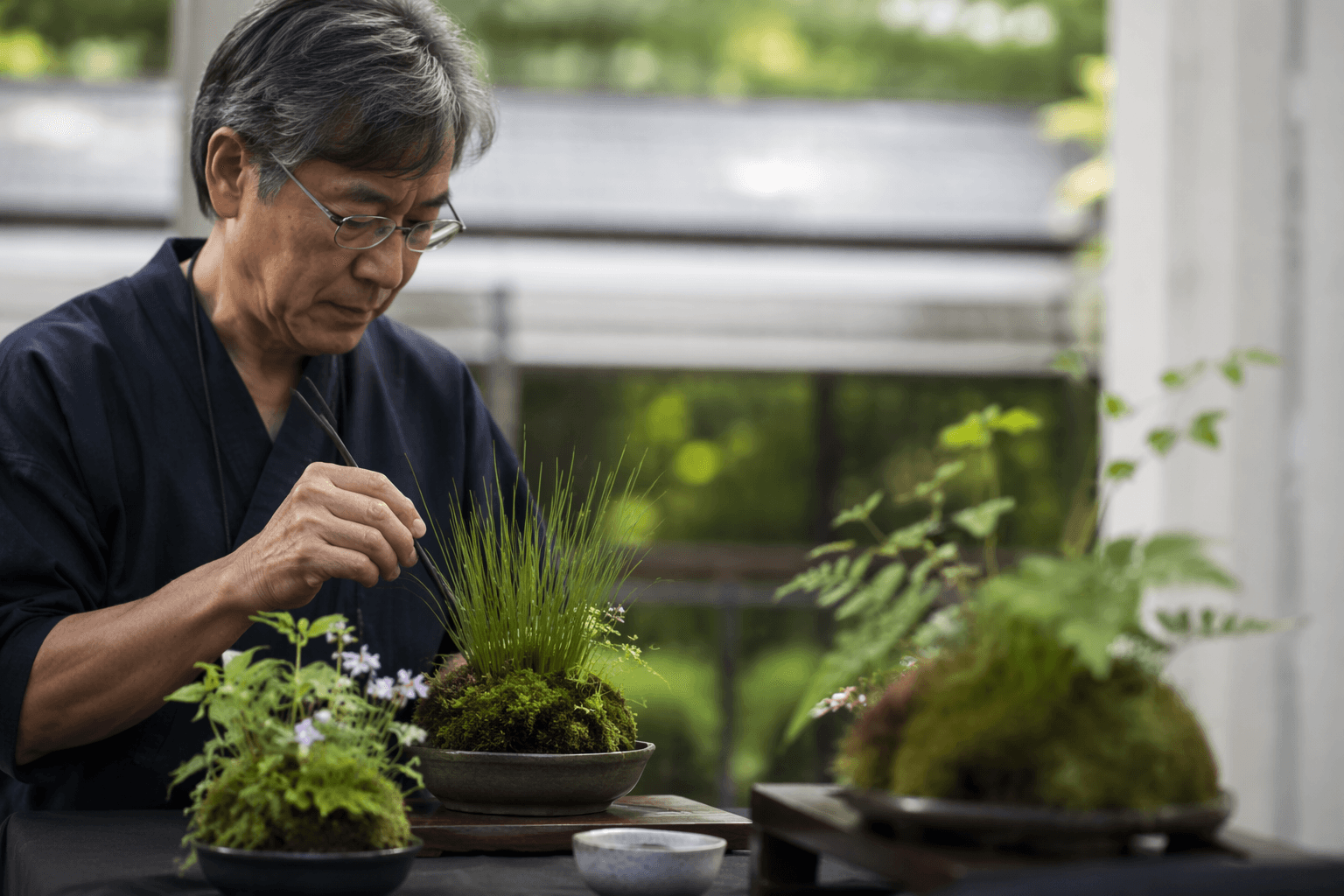
Young Choe gives the event a strong through line. The Arboretum describes her as an esteemed kusamono artist and teacher who teaches worldwide. Her background bridges art and horticulture: she studied traditional art in Korea, earned a bachelor’s degree in horticulture from the University of Maryland, volunteered at the National Bonsai & Penjing Museum for more than 20 years, and later studied kusamono in Japan with master artist Keiko Yamane.
That mix of scholarship, display and hands-on work fits the Arboretum’s own role. The museum it is hosting was established in 1976 and is described as the world’s first museum dedicated to bonsai. For visitors who know the museum for its trees, this weekend will make clear that the surrounding world of accents, seasonality and landscape suggestion is not a footnote. It is part of the art.
This article was produced by Prism’s automated news system from verified source data, official records, and press releases, then run through automated quality and moderation checks before publishing. The system is built and supervised by the people who set the standards it runs under. Read our full AI policy.
Did this article answer your question?