Valls bonsai exhibition returns with market, workshops and talks
Valls' 34th bonsai exhibition turns Pati de Sant Roc into a free public festival, with a market, workshops, talks and guided visits for every level.
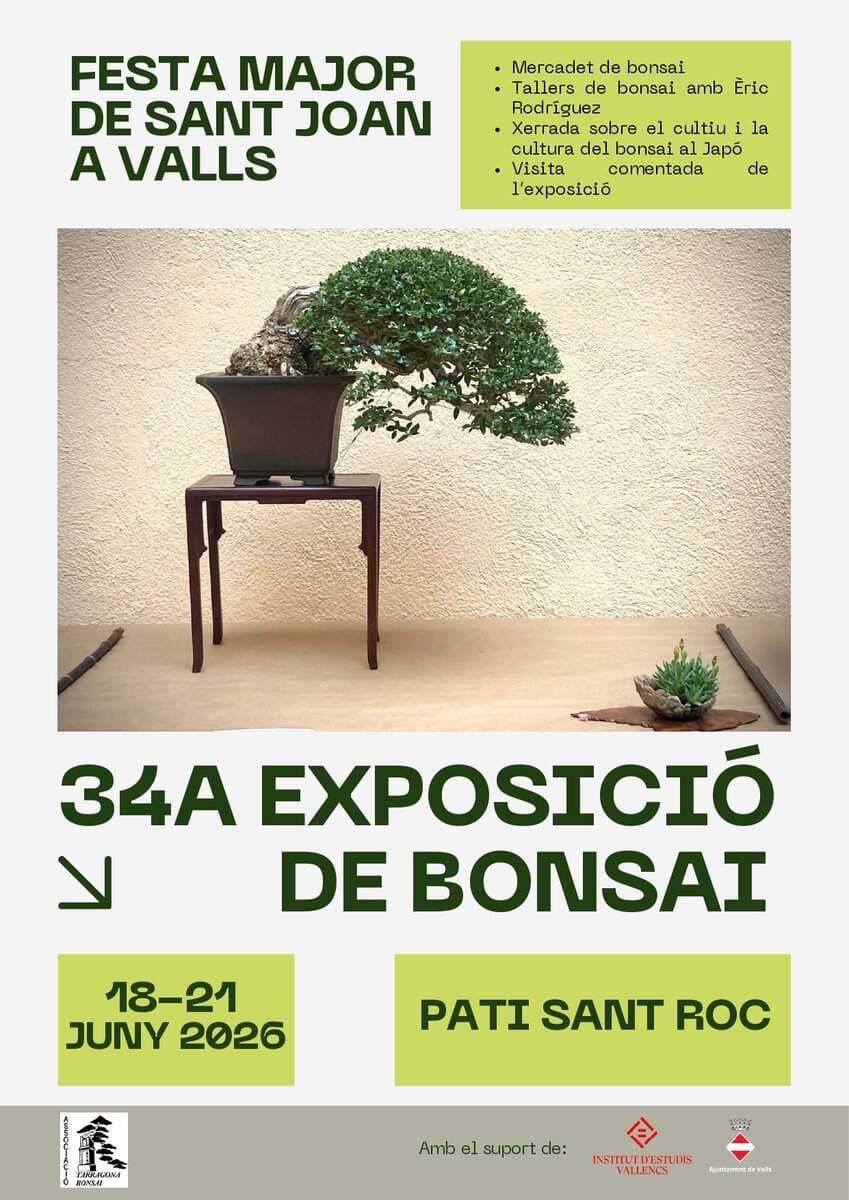
Valls is turning bonsai into something bigger than a display case this week: a free, public festival where you can browse trees and tools, sit in on hands-on instruction, and follow the craft through talks and guided visits at the Pati de Sant Roc. The 34th Bonsai Exhibition runs from June 18 through June 21 and is built to welcome both newcomers and seasoned growers.
A long-running bonsai tradition with city backing
This exhibition carries real weight in the Tarragona area because it is one of the oldest bonsai traditions in the region. It is organized by the Associació Tarragona Bonsai, with support from the Institut d’Estudis Vallencs and the Ajuntament de Valls, which gives the event the kind of civic backing that keeps bonsai visible as a public cultural practice rather than a closed specialist pastime.
That support matters. The show has moved with the city’s calendar over time, having been held for many years during Firagost before becoming part of the Festa Major de Sant Joan de Valls in recent editions. The 33rd edition in 2025 marked that transition clearly, and this 34th edition shows the shift has settled in as part of the city’s seasonal cultural life.
The association’s own history also helps explain the show’s staying power. Historical coverage places the Associació Tarragona Bonsai’s roots in 1989 in Tarragona, which makes the Valls exhibition feel less like a one-off fair and more like a living extension of a long regional bonsai culture.
What makes this year’s setup worth a visit
The draw this year is not just the display of trees. The exhibition is organized as a practical bonsai outing, with a market, workshops, talks and activities that make it useful whether you are buying your first shohin pot or comparing carving tools with other practitioners.
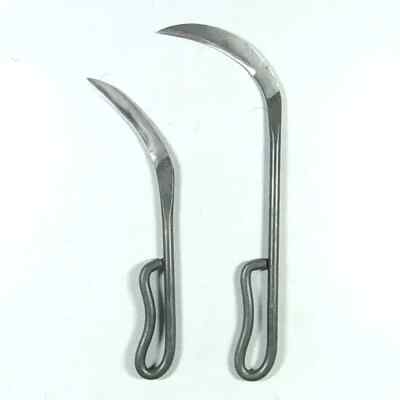
The market is expected to bring together bonsai and accessories, including unique specimens and specialized tools. That gives visitors a chance to do more than look: you can shop for material, compare stock, and pick up the accessories that often make the difference between a tree that merely survives and one that starts to develop real character.
The workshop and talk format gives the show a second layer. Instead of standing in front of the same benches the whole time, you get a place where technique, cultivation and presentation are part of the event itself. For beginners, that makes the exhibition less intimidating. For experienced fans, it creates a rare chance to hear how other growers are thinking about training, refinement and display in a public setting.
Plan your visit by day
Thursday, June 18
The exhibition opened at 7 p.m. with Mayor Dolors Farré attending, a clear sign that the city sees the event as part of its public cultural calendar. If you are interested in seeing the exhibition at its launch, Thursday evening is the moment when the show first comes together in the Pati de Sant Roc.
Friday, June 19
Friday is the best day to start with a little more time on your hands. Opening hours are 9 a.m. to 2 p.m. and 4 p.m. to 8 p.m., and the day includes a workshop led by Èric Rodríguez. That makes Friday the most practical day for visitors who want instruction as much as inspiration, especially if you are looking to build basic confidence or sharpen more advanced techniques in bonsai care and shaping.
Saturday, June 20
Saturday’s hours run from 11:30 a.m. to 1:30 p.m. and 6 p.m. to 8 p.m., and the program features a talk on the cultivation and culture of bonsai in Japan by Francesc Giner and Javi Florencio. The fact that both had recently returned from Japan adds weight to the session, since it connects the Valls exhibition with first-hand observation of bonsai culture in one of its most influential settings.
Sunday, June 21
Sunday runs from 11:30 a.m. to 1:30 p.m. and closes the exhibition with a guided visit led by Pere Amenós Basora, described as one of the association’s pioneering members. That makes the final day especially appealing if you want context, not just a visual tour, because guided visits often reveal the thinking behind styling, species choice and long-term maintenance.
Why it works for newcomers and experienced growers alike
The exhibition’s broad appeal is one of its strongest features. It is reported as free and open to all audiences, which lowers the barrier to entry for casual visitors while still giving committed bonsai practitioners a reason to attend. A newcomer can learn the basics from the workshop, see how trees are presented in an exhibition setting, and ask practical questions without needing club membership or prior experience.
At the same time, experienced enthusiasts get the parts that matter most: access to material, specialized tools, and the kind of public programming that makes comparison and conversation easy. The market, the workshop, the Japan-focused talk, and the guided visit each serve a different level of interest, which is exactly why the exhibition reads as both accessible and substantial.
That balance is what has kept bonsai visible in Valls year after year. The Pati de Sant Roc does not just host trees for display, it hosts a civic gathering where shopping, learning and community tradition all sit side by side. That is the real strength of the 34th edition: it makes bonsai easy to approach without making it feel ordinary.
This article was produced by Prism’s automated news system from verified source data, official records, and press releases, then run through automated quality and moderation checks before publishing. The system is built and supervised by the people who set the standards it runs under. Read our full AI policy.
Did this article answer your question?