Why bonsai soil matters, and which mix each tree needs
The quiet killer is ordinary potting soil and a houseplant repotting schedule. Bonsai thrives on coarse, species-specific mixes that keep feeder roots alive.

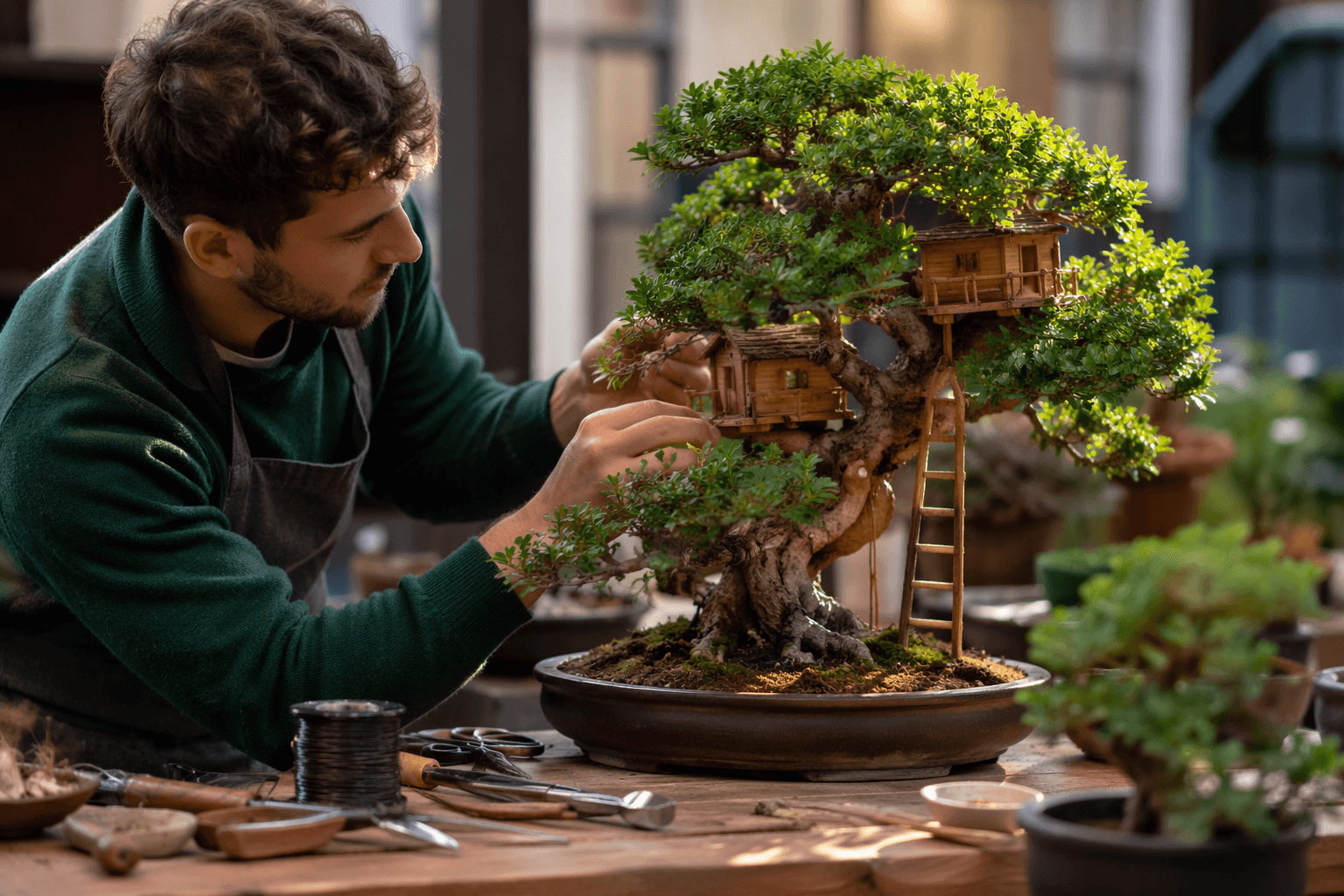
In a shallow bonsai pot, standard potting soil and calendar-based repotting can suffocate the root system. Bonsai soil is built to do something ordinary potting mix cannot: hold enough moisture for a small container while still letting water rush out and air stay around the roots.
Why bonsai soil is different
Bonsai mix is not just dirt with a fancier label. The particles are sharply textured, with small rocks, pebbles, and other coarse components that create space between grains and keep the root zone open. That structure matters because feeder roots do most of the work in a bonsai pot, and they need oxygen as much as they need water. Feeder roots make up most of the root system’s surface area and absorb water and minerals, so the growing medium has to protect those fine roots instead of burying them in a dense, wet mass.
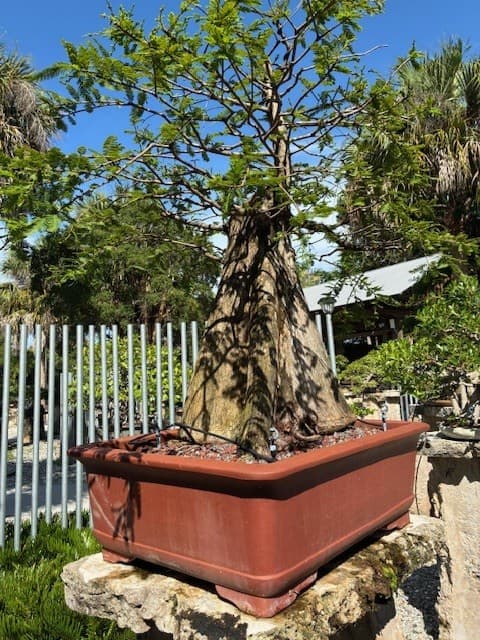
Bonsai pots have large drainage holes, and those holes must be covered with screening so coarse soil does not wash out when you water. A properly built pot should let water run freely through the bottom; that fast drain is part of root health, not a sign that you watered too much.
Which mix each tree needs
Tree type changes the recipe. Junipers and pines are often grown in almost completely soilless mixes that may include small stones, pumice, akadama, and sometimes compost. Maples and other deciduous trees usually want more compost in the blend, which gives the roots a little more moisture retention without turning the pot into a swamp.
Akadama is the ingredient that often confuses beginners, but the idea is simple. It is a Japanese clay-like bonsai medium prized for holding moisture while still draining excess water. Pumice and red lava rock do a different job: they add structure and improve water flow. Bonsai soil commonly uses akadama, pumice, lava rock, organic potting compost, and fine gravel, and those components work because each one affects air, water, and root space differently.
If you want a practical decision guide, start with the tree’s basic habit. Conifers like junipers and pines usually tolerate and prefer a leaner, faster-draining blend. Deciduous trees, especially maples, usually want a mix with more organic material.
Repot when the tree asks, not when the calendar says so
A bonsai does not need repotting because a year has passed. Repot only when needed, and the warning signs are specific: roots circling tightly inside the pot, roots coming through the drainage holes, or soil that dries out unusually fast. Those are the signals that the root ball has filled the container or the mix has broken down enough to change how water moves through it.
The timing matters too. The smaller the bonsai pot, the more frequent the need for repotting, and the best window is early spring, mid to late March, before the plant shows signs of growth. That is the opposite of a houseplant routine where repotting is often treated as a casual upgrade.
A useful rule of thumb is simple: if water suddenly runs through too fast because the mix has collapsed, or if the roots are circling and crowding the pot, it is time. If the tree is still using the pot well and the soil structure remains open, repotting can do more harm than good by stripping away healthy feeder roots and forcing the tree to rebuild them before it has to.
The pot, the screen, and the root zone
The container is part of the system. Bonsai pots are shallow by design, which is why the drainage holes and the screen over them matter so much. Without screening, the coarse particles that keep the mix open can wash out, and once that structure is gone the pot behaves more like a compacted mass than a living root environment.
Feeder roots are very fine, about 1/16 of an inch in diameter, and concentrated near the soil surface where oxygen is more available. The shallow pot, the coarse mix, and the repeated root refresh all work together to keep those fine roots alive instead of forcing the tree to survive on a few heavy structural roots.
Cost, reuse, and the reality of akadama
Bonsai soil can also be expensive, which is why many growers dry and clean reusable components before putting them back into circulation. That habit has become more practical as akadama has faced price increases and supply troubles. In December 2021, Bonsai Tonight identified rising global demand, heavy rainfall that slowed mining, and shipping congestion as reasons akadama had become harder to obtain.
Bonsai soil as long-term stewardship
The long view is easy to see at the Arnold Arboretum of Harvard University, where the Bonsai & Penjing collection began in 1937 with the Larz Anderson Collection of Japanese Dwarfed Trees and now includes 67 curated specimens.
This article was produced by Prism’s automated news system from verified source data, official records, and press releases, then run through automated quality and moderation checks before publishing. The system is built and supervised by the people who set the standards it runs under. Read our full AI policy.
Did this article answer your question?