Anam Thubten says Buddhism survives by adapting to changing conditions
Anam Thubten Rinpoche argues Buddhism endures by changing with conditions, a point sharpened by mindfulness debates over language, access, and core practice.

Buddhism declined in India and spread across much of Asia. Anam Thubten Rinpoche's essay "The Survival of the Buddhadharma" argues that Buddhism lasts by adapting to changing conditions, not by freezing itself in place. The essay opens with an ecological comparison: species survive by responding to change, and spiritual traditions can fade when they fail to meet new circumstances.
Buddhism remains deeply woven into the cultural life of Tibet and parts of East Asia, while teachers in the West face the harder task of meeting people whose spiritual assumptions are very different.
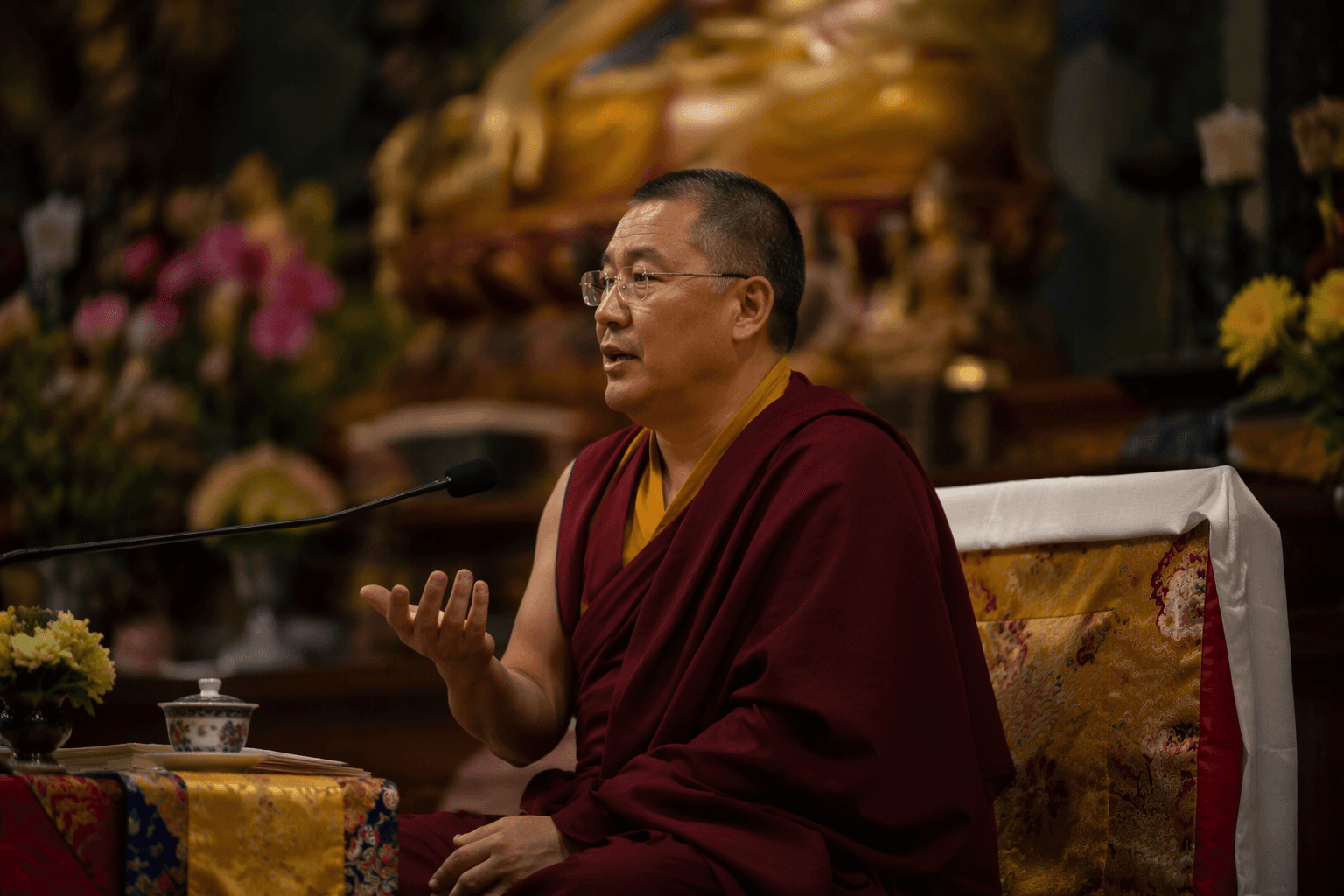
For insight meditation communities, that means the forms of practice can change without the Dharma being diluted. Clearer language, lay-friendly schedules, online access, and disability accommodations can help more people enter the path, but only if those changes still preserve the discipline of meditation, ethical training, and the direct encounter with suffering that sits at the center of Buddhist practice.

A 2025 Frontiers study found that people exposed to both mindfulness and traditional Buddhism said the Western definition of mindfulness was less clear than Buddhist understandings, and they identified impermanence, emptiness, dependent arising, compassion, the Four Noble Truths, and Buddhist mind science as concepts that could strengthen Western practice. Pulling mindfulness away from its Buddhist roots can alter its efficacy, content, focus, and delivery.
Jon Kabat-Zinn developed Mindfulness-Based Stress Reduction in 1979 at the University of Massachusetts Medical School, and the eight-week program helped move Buddhist-derived mindfulness into mainstream clinical settings. Pew Research Center's 2023-24 Religious Landscape Study found that about 1% of U.S. adults identify as Buddhist and that 45% of U.S. Buddhists live in the West.
This article was produced by Prism’s automated news system from verified source data, official records, and press releases, then run through automated quality and moderation checks before publishing. The system is built and supervised by the people who set the standards it runs under. Read our full AI policy.
Did this article answer your question?