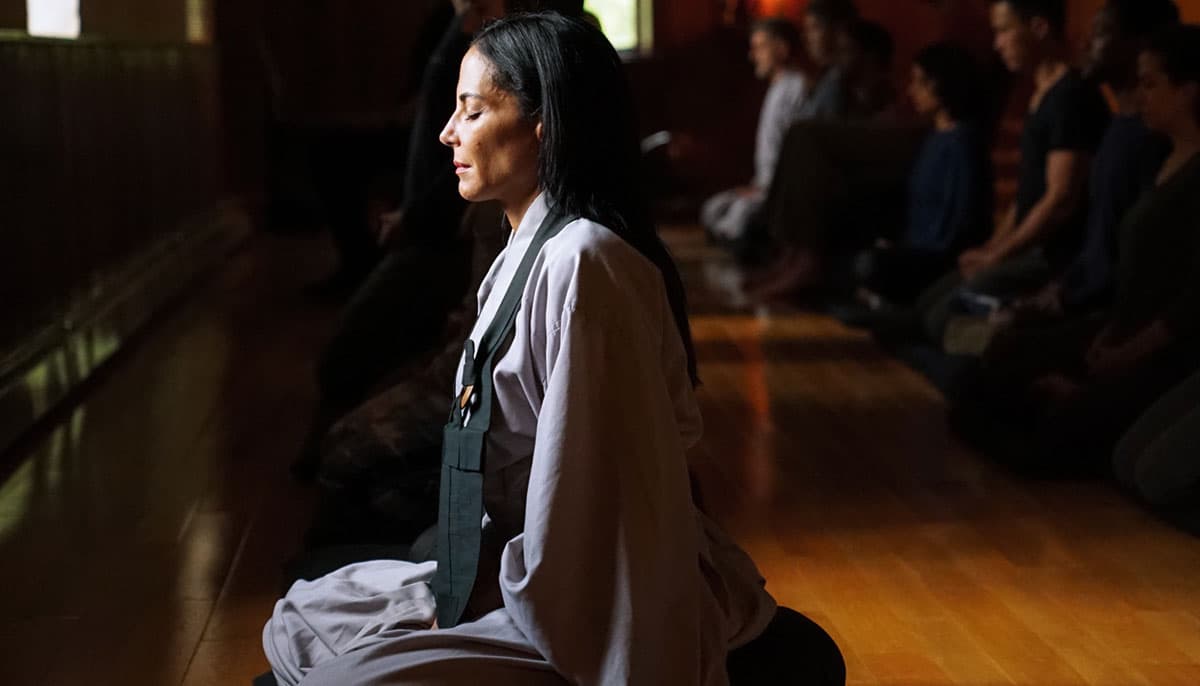
Bhutan educator urges mindfulness, compassion in university education
Dorji Thinley told Assam Royal Global University that mindfulness should be taught deliberately, as a path to compassion and ethical awareness, not just better concentration.
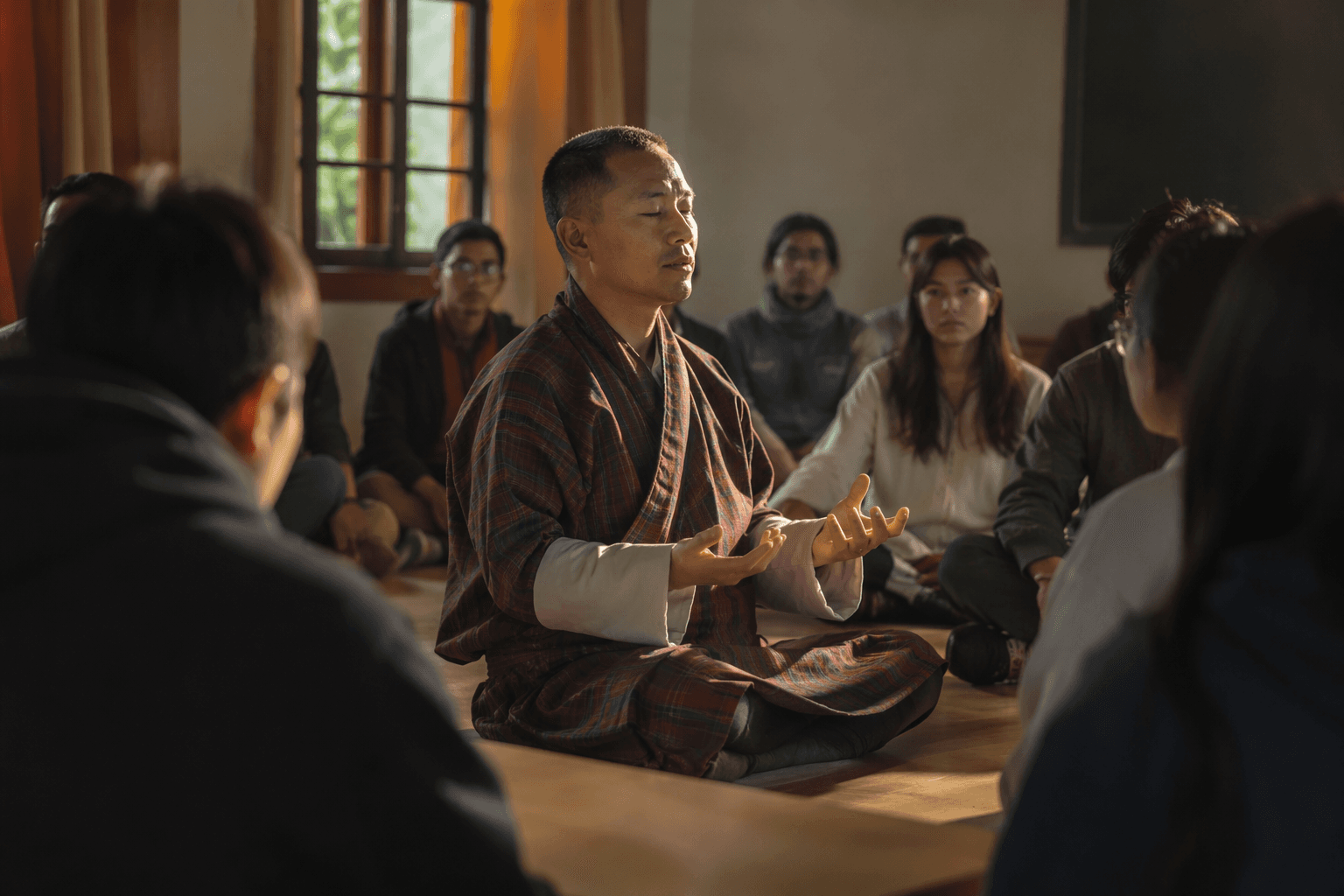
At Assam Royal Global University in Guwahati, Bhutanese educator Dorji Thinley was formally welcomed as a professor in the Department of English during a special programme on campus, and he used the moment to press a sharper question: should mindfulness in higher education train students only to focus better, or should it also shape how they live, judge, and care for the world around them?
Thinley argued that academic knowledge by itself is not enough. He said university education should also cultivate awareness, compassion, kindness, empathy, and a more responsible relationship to the world, and he urged that mindfulness be introduced more deliberately among students. RGU lists him as an internationally renowned academician, education leader, researcher, and advocate of holistic education, with experience in teacher education, academic leadership, quality assurance, research, international collaboration, and mindfulness-based education.
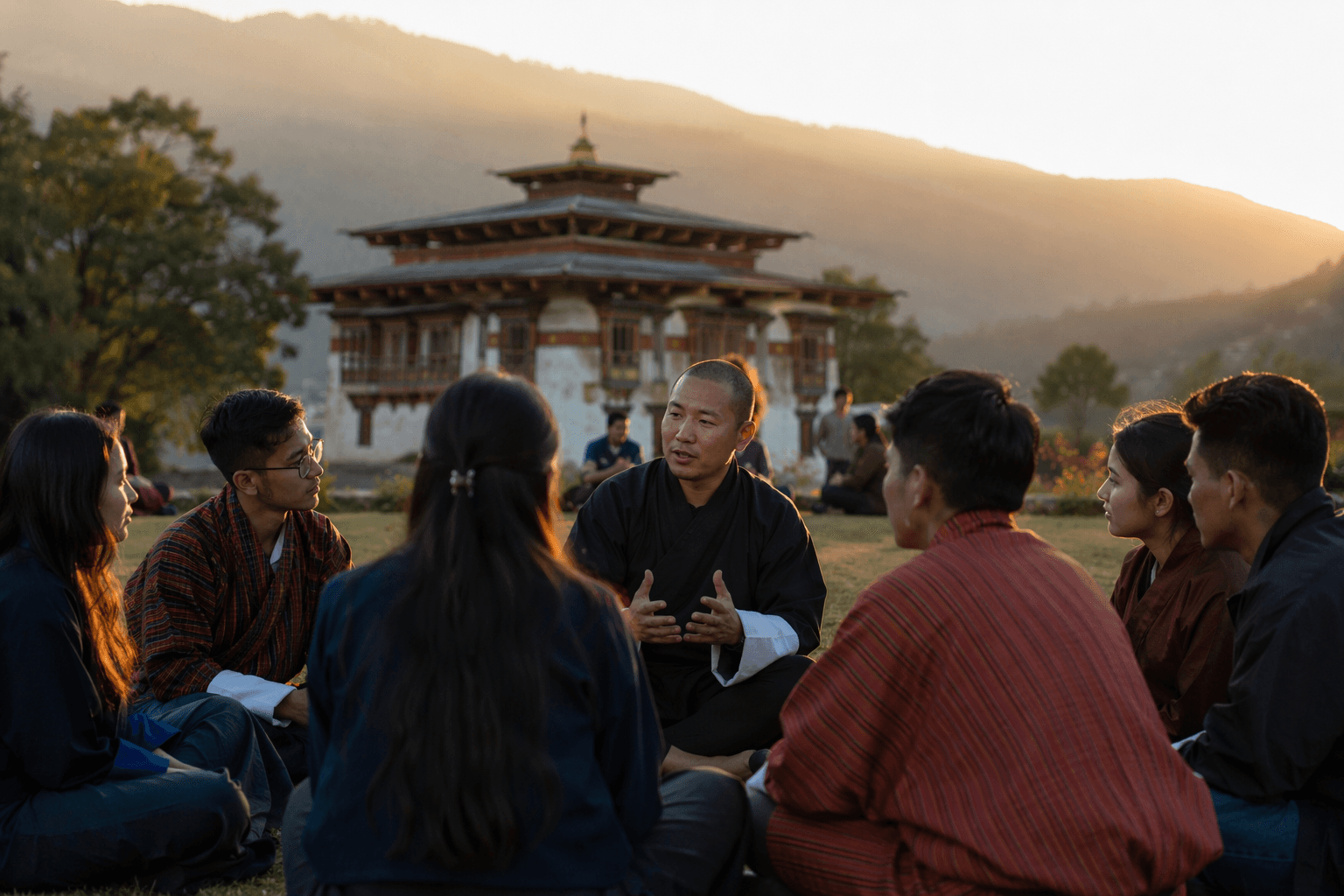
His profile at Paro College of Education lists him as having initiated and led programs built around rigor, relevance, recency, real-world competencies, Bhutanese culture and heritage, and sustainable development through teacher education. He is also described there as a trained practitioner of Buddhist yoga, mindfulness, and meditation techniques.
Thinley also tied mindfulness to environmental responsibility. He said that when people become mindful, they naturally become more compassionate toward nature and better able to understand why conservation matters. Bhutan's Constitution requires at least 60 percent forest cover permanently, and official and embassy sources place current forest cover at about 70 percent to 72 percent, with roughly 51 percent of land under protected areas.
UNESCO traces Bhutan's Gross National Happiness philosophy to the 1970s under King Jigme Singye Wangchuck, and the organization's 2014-2024 Education Blueprint cast education as central to social, cultural, intellectual, and environmental development. A 2024 symposium at Paro College of Education drew about 250 participants from 25 countries.
This article was produced by Prism’s automated news system from verified source data, official records, and press releases, then run through automated quality and moderation checks before publishing. The system is built and supervised by the people who set the standards it runs under. Read our full AI policy.
Did this article answer your question?