Review questions mindfulness benefits for young adults with depressive symptoms
Mindfulness may ease depressive symptoms in young adults, but the strongest evidence still points to short-term gains, not a guaranteed lasting fix.
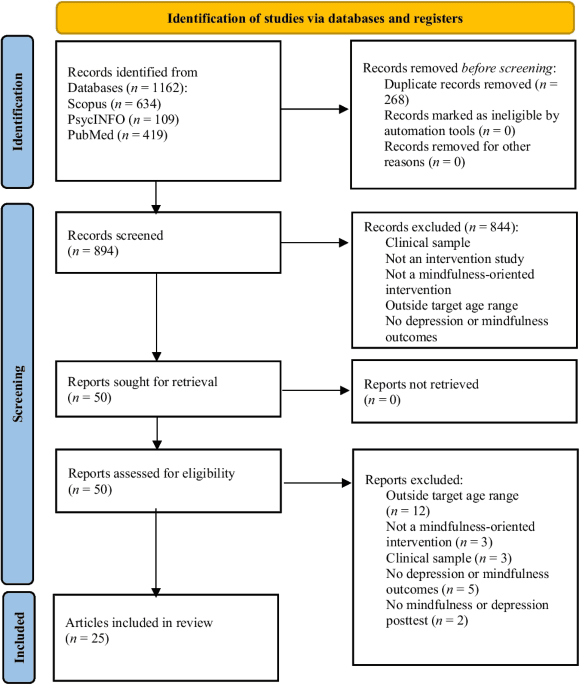
Depression in adolescents and adults rose from 2013-2014 to August 2021-August 2023, and 87.9% of people with depression said it affected work, home, or social life. A new review in *Mindfulness* by Sihui Lyu, Beth S. Russell, and Madison Mas finds promising but cautious evidence that mindfulness can ease depressive symptoms when someone is not in formal treatment, with the clearest signal in short-term relief and the weakest evidence around durability, delivery format, and who benefits most.
What this review is really asking
The review focuses on non-clinical young adults, which makes the question especially relevant in places where people often first meet mindfulness: campuses, workplaces, and community groups. These are settings where someone may want support that is lighter than therapy, but still more structured than a casual wellness tip.
Young adulthood is a period when identity, habits, and coping strategies are still taking shape, and symptoms can emerge or worsen before a person ever enters formal care. The review examines whether mindfulness changes depressive symptoms in a group that is often overlooked in treatment-centered research.
Where the strongest evidence points
The clearest positive pattern in the wider literature comes from randomized trials in student populations. A 2023 *Frontiers in Public Health* meta-analysis of mindfulness therapy in university students included 11 randomized controlled trials with 1,824 participants, and it found positive effects on depression, anxiety, stress, and sleep quality.
The earlier evidence base for mindfulness-based stress reduction is also encouraging, but more restrained. A 2018 *Frontiers in Psychology* meta-analysis of MBSR in adolescents and young adults included 18 randomized controlled trials with 2,042 participants, and it found a moderate reduction in depressive symptoms right after treatment. The short-term signal is real enough to keep studying, especially when the intervention is well defined and tested against proper controls.

Where the evidence gets weak
The same 2018 analysis also shows why caution still matters: it found no statistically significant follow-up effect. A benefit that fades after the program ends is not useless, but it is not the same thing as a durable change in mood or functioning.
That review also found that the treatment effect may be moderated by control condition, treatment duration, and baseline depression. Results can shift depending on what the mindfulness group is compared with, how long the program runs, and whether participants start out mildly distressed or more clearly symptomatic.
The broader delivery question is still unsettled too. A 2026 review looking at digital, in-person, and hybrid mindfulness interventions found limited evidence comparing those formats. For young adults who often encounter mindfulness through apps, online classes, or hybrid campus offerings, that means the field still cannot say with confidence which format consistently works best.
Why the public-health backdrop keeps this question alive
In September 2025, the World Health Organization said that more than 1 billion people are living with mental health disorders worldwide, and that mental disorders remain a leading cause of disability. The organization also noted major gaps in resources, workforce, and quality of care.

The CDC found that nearly 40% of people aged 12 and older with depression received counseling or therapy in the previous 12 months. That leaves a substantial number of people outside regular care, which is why mindfulness keeps showing up in schools, community programs, and other public-facing settings as a possible bridge rather than a replacement.
What this means for Insight Meditation circles
For Buddhist Insight Meditation communities, structured mindfulness programs can help some young adults, especially in the short term, but the size, format, and follow-up of the program matter a great deal.
If you are organizing a sangha-based offering, a campus group, or a workplace sit for young adults, the research points toward a disciplined approach. Keep the promise modest, track what changes, and do not stop at whether people felt calm in the room.
- Measure depressive symptoms before the program starts and again after it ends.
- Build in follow-up, because post-test gains may not last.
- Pay attention to format, since digital, in-person, and hybrid models still lack clear head-to-head evidence.
- Watch adherence and baseline severity, because both can shape results.
- Include sleep and daily functioning alongside mood, since the student meta-analyses found effects beyond depression alone.
A more realistic checklist looks like this:
This article was produced by Prism’s automated news system from verified source data, official records, and press releases, then run through automated quality and moderation checks before publishing. The system is built and supervised by the people who set the standards it runs under. Read our full AI policy.
Did this article answer your question?