Study probes how VA mindfulness app changes veterans' practice and symptoms
VA's Mindfulness Coach is now being tested for more than symptom relief, with 21 veteran interviews showing how digital practice may change attention and follow-through.
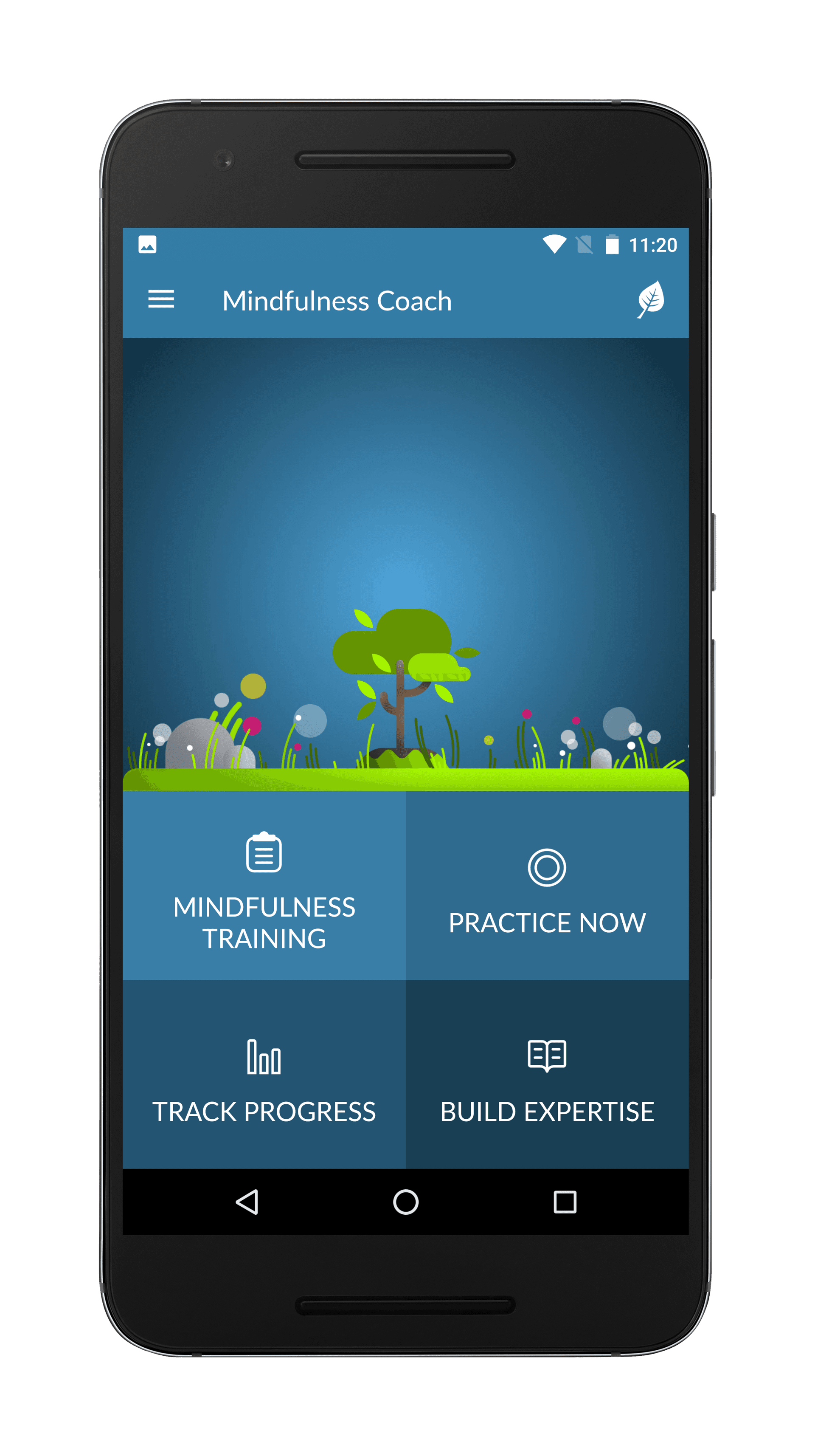
Mindfulness Coach is being measured for more than whether it lowers PTSD and depression scores. A new analysis in *Mindfulness*, published online first on July 11, 2026, looks at how the VA app changes the actual practice of mindfulness for veterans, and what users say it does to thoughts, emotions, and attention.
The app at the center
Mindfulness Coach is a free, publicly available mobile app created by the VA National Center for PTSD. The Department of Veterans Affairs says it was first released in 2014 and redesigned in 2018, and it is built as a gradual, self-guided training program that can stand alone or support face-to-face care.
That matters in a Buddhist Insight Meditation context because the app is not trying to be a retreat, a teacher, or a sangha. It is a structured container for practice, with standalone exercises, reminders, and a progress log, built for people who may need mindfulness to fit around work, treatment schedules, or the irregularities of trauma recovery. In VA language, it sits inside a broader ecosystem of self-help and treatment-companion tools for trauma-related care.
What the first randomized trial showed
The new paper builds on an earlier pilot randomized controlled trial that enrolled 173 U.S. veterans with PTSD and followed them for 8 weeks. In that trial, participants were randomized to self-guided Mindfulness Coach or a waitlist control, and the authors reported clinical benefits for PTSD and depression symptoms.
The trial also showed how hard digital engagement can be to sustain. Overall attrition was 68.4%, with 43.0% dropout in the treatment arm and 43.7% in the control arm, plus 23% overall loss tied to technical study issues. The authors also said women and Black and Latino veterans appeared less likely to keep using the app than other groups, a reminder that access is not the same thing as retention.
For meditation communities, those numbers are the key access story. A tool can be free, public, and evidence-informed, yet still fail if people cannot or do not keep returning to it. The challenge is not just whether an app can introduce mindfulness, but whether it can help practice survive contact with fatigue, symptoms, and the friction of daily life.
What the new analysis adds
The 2026 paper changes the question. Instead of stopping at symptom change, it uses secondary analyses to ask what mindfulness-related processes the intervention is actually targeting. It also includes a rapid qualitative analysis of 1-year follow-up interviews with a subsample of 21 participants in the Mindfulness Coach condition.
That is a meaningful shift for anyone who practices insight meditation. Symptom scores can tell you whether distress moved, but they do not always show whether attention became steadier, whether reactivity softened, or whether a person learned to notice a thought before getting carried away by it. The new study tries to get closer to that middle layer, the lived mechanics of practice.
The paper is also authored by Shilpa Hampole, Haijing Wu, and Robyn D. Walser, which gives it a clear clinical and behavioral lens. Instead of treating mindfulness as a generic relaxation download, the analysis looks at the app as a structured method for learning to work with experience over time.
What Buddhist practitioners should notice
The promise in this kind of app is obvious: it can put a guided practice in a veteran’s pocket, on their schedule, without requiring a trip to a clinic or a teacher-led group. That is especially relevant for people living with PTSD, depression, or limited access to in-person support.
The limit is just as important. A self-guided app can organize practice, but it cannot fully replace the relational side of meditation training, especially when practice surfaces difficult material. The earlier in-person multisite randomized trial of mindfulness-based stress reduction in U.S. military veterans enrolled 214 veterans and found significant improvement in PTSD in both groups, with no significant between-group differences on the clinician-rated CAPS-IV. That result underscores a familiar point in Buddhist communities: format matters, but it does not automatically determine depth.
Mindfulness Coach therefore looks less like a substitute for sangha than a bridge for people who need a low-barrier way to begin or continue practice. The app’s reminders and progress log may matter as much as the exercises themselves, because they support repetition, consistency, and return after interruption. For veterans, clinicians, and teachers alike, that is where digital mindfulness has its real test.
What this means now
This study is most useful when read as a lesson in how mindfulness travels into public health. Mindfulness Coach shows that practice can be packaged for scale, made free, and woven into VA care, but the trial history also shows that uptake is uneven and sustained use is hard to hold onto.
The practical takeaway is simple: if you use a mindfulness app, do not judge it only by whether you finished a module. Watch whether it helps you notice thoughts sooner, settle attention more reliably, and come back after a difficult day. That is the level at which app-based practice begins to matter, and the level this new analysis is trying to measure.
This article was produced by Prism’s automated news system from verified source data, official records, and press releases, then run through automated quality and moderation checks before publishing. The system is built and supervised by the people who set the standards it runs under. Read our full AI policy.
Did this article answer your question?