Study tests whether young meditators judge their performance more accurately
A Mindfulness study tested 124 young adults on confidence and recall, asking whether meditation sharpened the way they judge their own performance.
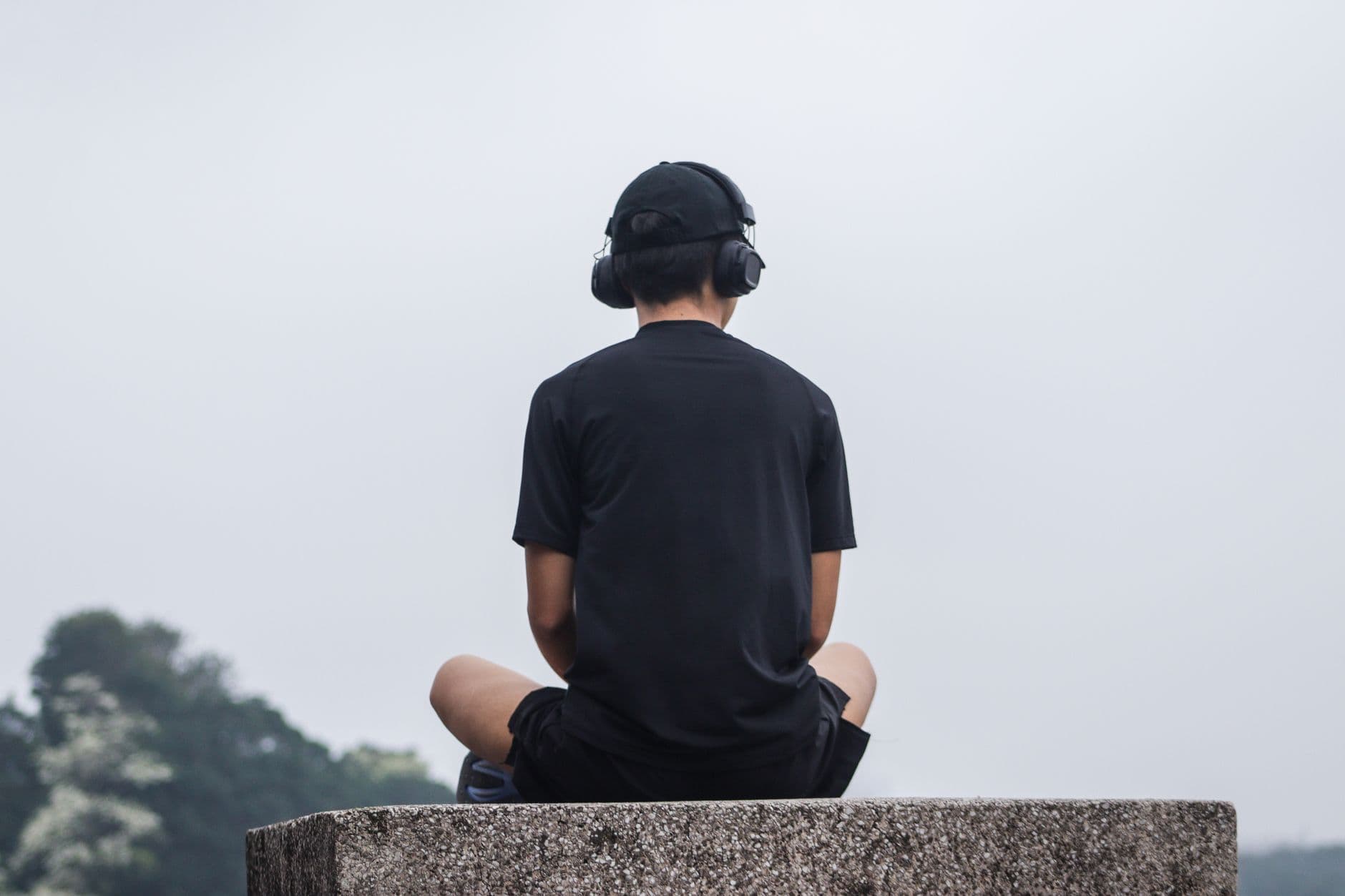
A new open-access study in Mindfulness tested 124 young adults to see whether mindfulness practice changes something subtler than calm: the accuracy with which people know when they are right or wrong. The paper, published online on July 13, 2026, puts metacognitive monitoring at the center of the meditation debate.
The study included 61 young mindfulness meditation practitioners and 63 non-practitioners. The practitioners had at least 3 years of meditation practice and meditated at least 3 sessions per week, which makes this a sample of steady sitters rather than casual dabblers. Each participant completed an adapted metacognitive visuo-spatial working memory task, then gave a confidence judgment after each trial.
That design matters because monitoring accuracy was defined very specifically: it was the relationship between confidence judgments and objective performance. In plain terms, the researchers were not asking whether meditators felt better or reported more calm. They were asking whether confidence tracked actual recall more closely in the meditation group than in the control group.
The paper lands in a long-running conversation inside mindfulness science. Monitor and Acceptance Theory, proposed by James R. A. T. Lindsay and Bronwyn D. Creswell, treats mindfulness as ongoing monitoring of present-moment experience paired with acceptance, and presents that idea as a testable framework for understanding effects on cognition, affect, stress, and health outcomes. A critical review of that theory later emphasized the same point: it was designed to be empirically testable, not just philosophically appealing.
The new study also sits alongside earlier work arguing that mindfulness may involve a special kind of metacognitive feeling, sometimes described as fringe consciousness. That line of thought has kept pushing the field toward finer measurements, not just broad claims about attention or serenity. A 2023 framework paper added another caution: an estimated half of mindfulness practitioners continue regular meditation after initial instruction, but researchers still lack enough evidence on long-term effects and possible harms.
For the Buddhist Insight Meditation world, the practical question is straightforward. If meditation improves metacognitive monitoring, it could affect study habits, judgment, and the small moments of self-correction that shape daily life, from noticing a distracted mind to catching a bad assumption before it hardens into self-deception. The study gives that ancient concern a laboratory measure, and it does so with confidence ratings, not slogans.
This article was produced by Prism’s automated news system from verified source data, official records, and press releases, then run through automated quality and moderation checks before publishing. The system is built and supervised by the people who set the standards it runs under. Read our full AI policy.
Did this article answer your question?