Zen koan on divided selves asks what is truly real
A classic koan about Seijo’s split soul becomes a blunt map for modern inner fragmentation, from private roles to social fracture, and a call to stop rushing.
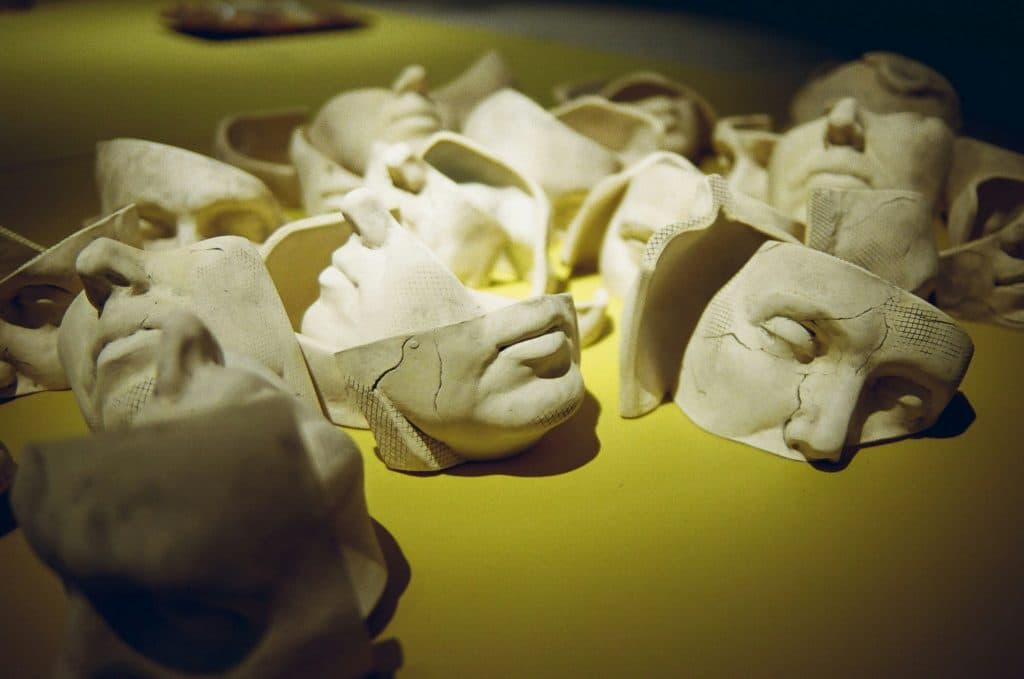
A father, a daughter, a marriage, and a disappearance lead to the shock of finding one version of a person here and another somewhere else. Katherine Senshin Griffith uses the story of Seijo as a plainspoken map for the way people actually live when they feel split in two. She asks a modern question: what is real when your roles, feelings, and loyalties no longer line up?
A koan about divided life, not a puzzle for cleverness
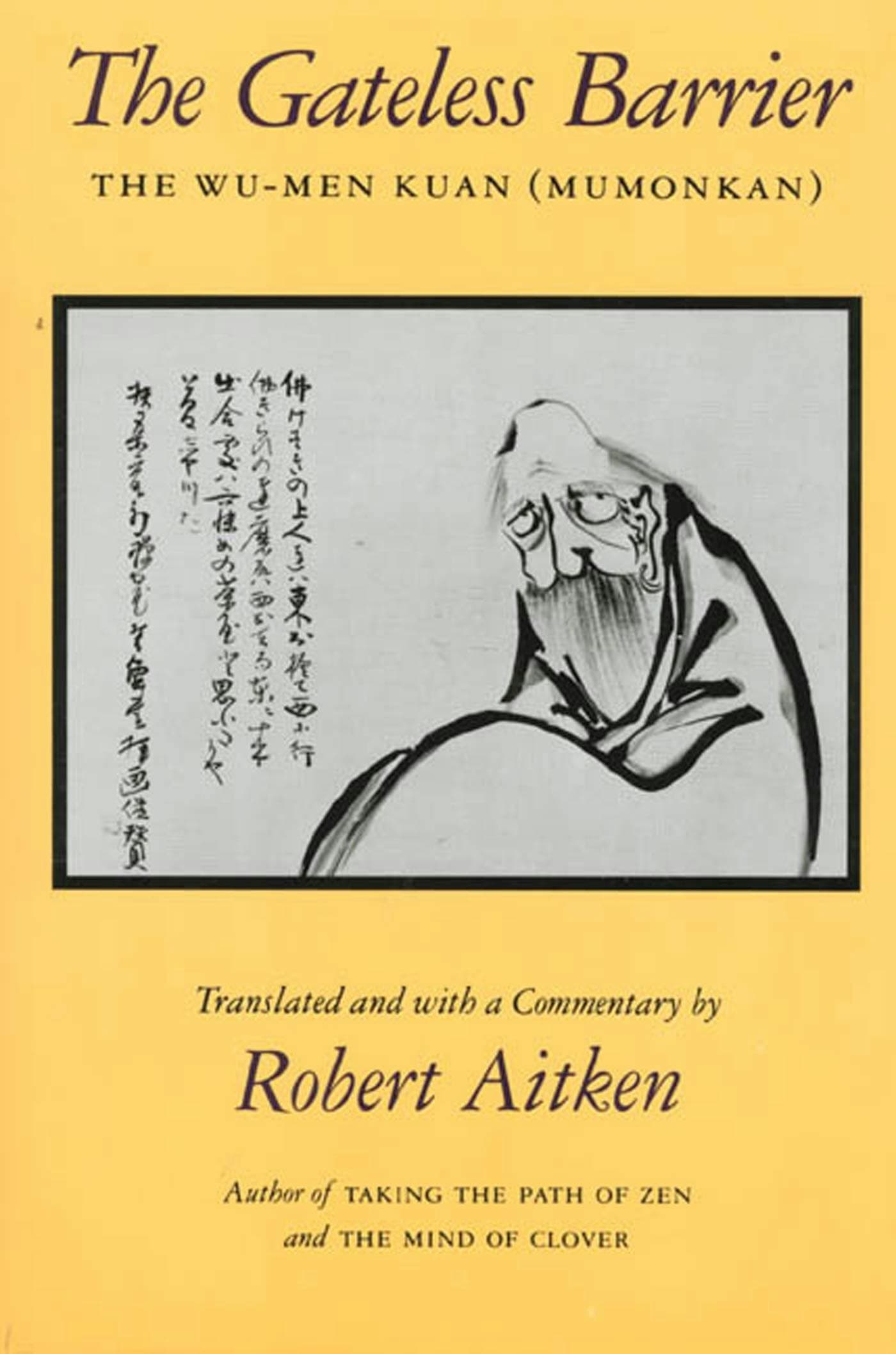
The teaching centers on Mumonkan Case 35, “Seijo and Her Soul Are Separated,” also rendered as “Seijo’s Soul is Separated.” The case belongs to The Gateless Barrier, the 48-koan collection compiled and commented on by the Chinese Chan master Wumen Huikai, who lived from 1183 to 1260. As part of a disciplined tradition of inquiry, the koan pushes directly at the question of selfhood.
Griffith is the head teacher at the Zen Center of Los Angeles and reads the case the way many Insight practitioners do, as a mirror rather than a riddle. The split in Seijo is not only about an uncanny story event. It is also about the way people divide themselves every day, into the person at work, the person at home, the person who is calm, the person who is afraid, the person who knows how to keep going.
Why the split feels so familiar now
What gives the koan its force is how closely it matches ordinary inner life. Griffith frames the teaching around the habit of assuming we already know who we are, then discovering that our sense of self is stitched together from obligations, identities, and emotional states that do not always cooperate. That is the practical sting of the story: the self can look solid until practice reveals how many competing versions are already active.
The essay pushes that recognition beyond the individual. Griffith points to a kind of separate soul in society itself, where communities can become fragmented and people start living from contradictory inner scripts. In that reading, the koan is not only about private confusion. It also describes what happens when a culture normalizes disconnection, so that outward functioning and inner truth drift farther apart.
The line that keeps the teaching grounded
One of the sharpest traditional commentaries on the case says, “If you realize the One... But if this is not yet clear, don’t rush about wildly.” The point is not to panic into spiritual performance, or to force certainty before clarity has actually arrived.
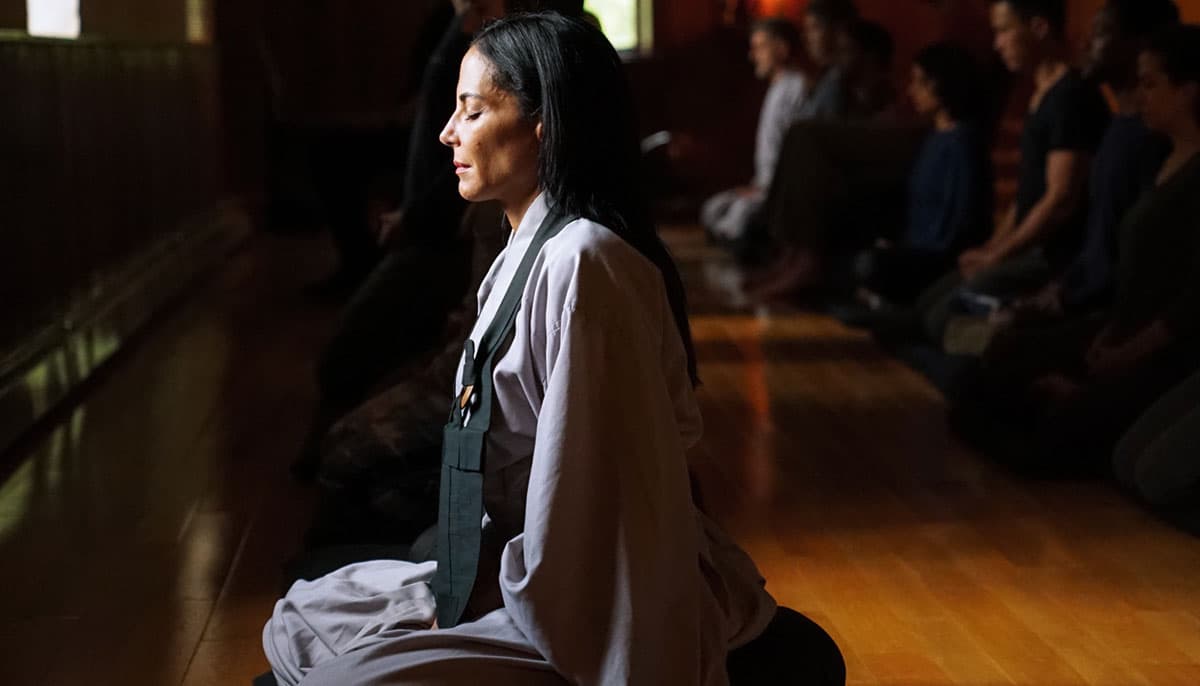
For Insight meditation, this lands close to home. Practice regularly exposes how unstable the self can feel when mindfulness starts to reveal the shifting nature of thought, mood, and identity. That can be unsettling, but Griffith’s reading treats the unease as part of the path, not as a sign that something has gone wrong.
What this means inside Insight practice
The koan sits comfortably inside the American vipassana world because Insight practice has long emphasized direct seeing over theory. The Insight Meditation Society was founded in 1975 by Sharon Salzberg, Jack Kornfield, and Joseph Goldstein, and on Valentine’s Day in 1976 a small group opened its first retreat center in Barre, Massachusetts. Spirit Rock Meditation Center, rooted in Insight Meditation and located in Woodacre, California, grew from the same broad movement. It was founded to create an enduring Dharma retreat, practice, community, and study center grounded in the Buddhist tradition.
Insight communities have spent decades making core Buddhist teachings on no-self, impermanence, and ethical repair usable for lay practitioners who live amid jobs, families, activism, grief, and ordinary distraction.
What scholarship adds to the picture
Buddhist meditation supports insight, metacognition, and self-transformation, not just stress reduction. That fits Griffith’s emphasis: practice is not about hardening a stable identity. It is about noticing how identity is assembled, how it fractures, and how awareness can change your relationship to that fracture.
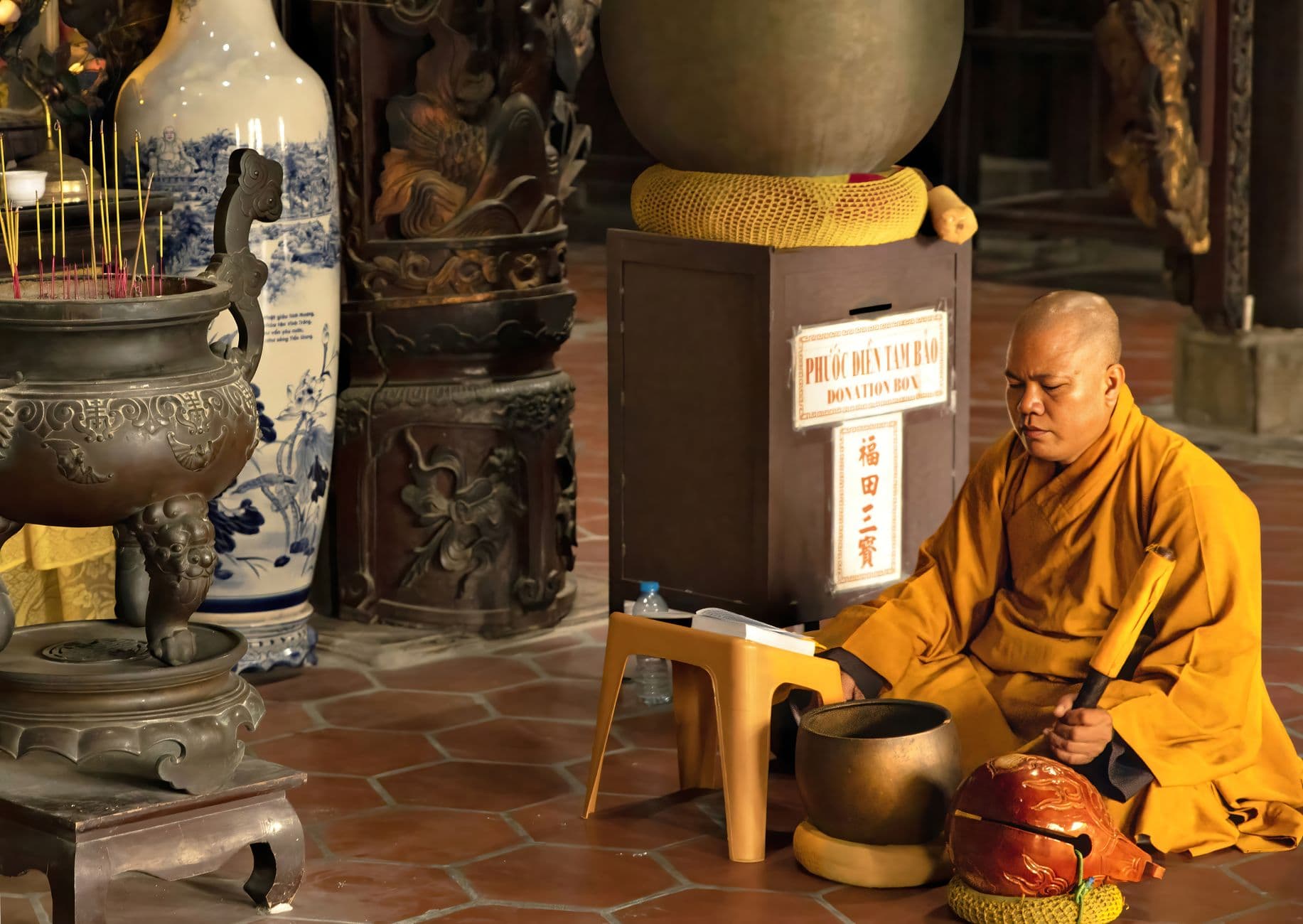
The koan becomes a field guide for the mind under pressure. It tells you not to mistake motion for clarity, not to confuse panic with insight, and not to build a spiritual identity out of the very split you are trying to understand.
How to work with the koan in your own practice
If you sit with this case the way Griffith presents it, the first move is simple: notice where you are divided. That may show up as the person who speaks one way in public and another way at home, or the part of you that wants to keep the peace while another part is exhausted. The koan does not ask you to choose one mask and call it truth. It asks you to see the whole field honestly.
- When a strong role takes over, name it quietly.
- When conflicting feelings appear, do not rush to resolve them.
- When certainty hardens too quickly, return to direct sensation.
- When the mind wants to sprint toward an answer, remember the line about not rushing about wildly.
A practical way to begin is to bring the warning into meditation:
This article was produced by Prism’s automated news system from verified source data, official records, and press releases, then run through automated quality and moderation checks before publishing. The system is built and supervised by the people who set the standards it runs under. Read our full AI policy.
Did this article answer your question?