Activision Cracks Down on Call of Duty Leaks Spreading as Viral Misinformation
Activision drew a hard line on leaks, legally demanding The Ghost of Hope stop posting confidential Call of Duty info while cryptically denying a standalone Zombies game.

Activision went on the offensive against the Call of Duty leak ecosystem last week, declaring that runaway rumor posts have crossed from community speculation into "viral misinformation" and warning that the publisher intends to "step in and set the record straight" whenever that line gets crossed.
The publisher made its position clear in a YouTube comment on a TDAWG video, a choice of venue that itself signals how embedded Activision is watching the content creator space around its franchise. "Rumors are part of gaming culture," Activision wrote, acknowledging the culture of "healthy online speculation" that surrounds every CoD release cycle. But the company drew a firm distinction: when leaks mutate into viral misinformation, the damage becomes tangible. "It undermines our developers and also distorts player expectations of the games we're making," Activision stated.
That statement landed alongside reporting that Activision had already moved beyond words with at least one prominent leak account. The Ghost of Hope, a well-known source of Call of Duty intel in the community, disclosed that Activision "legally demanded" he stop "leaking and disseminating confidential information" about Call of Duty and the developer itself. His response was brief and unambiguous: "I am complying with their demands." The exact legal instrument behind that demand, whether a formal cease-and-desist letter, DMCA notice, or other filing, has not been publicly confirmed, and no court documents have been released.
Around the same time, Activision weighed in on a circulating rumor about a standalone Zombies game with a response that raised as many questions as it answered. "The rumor factory working overtime. This ain't it," the company said. Notably, the statement never mentioned Zombies by name and stopped well short of a flat denial, leaving the door open to interpretations that Activision may not have intended.
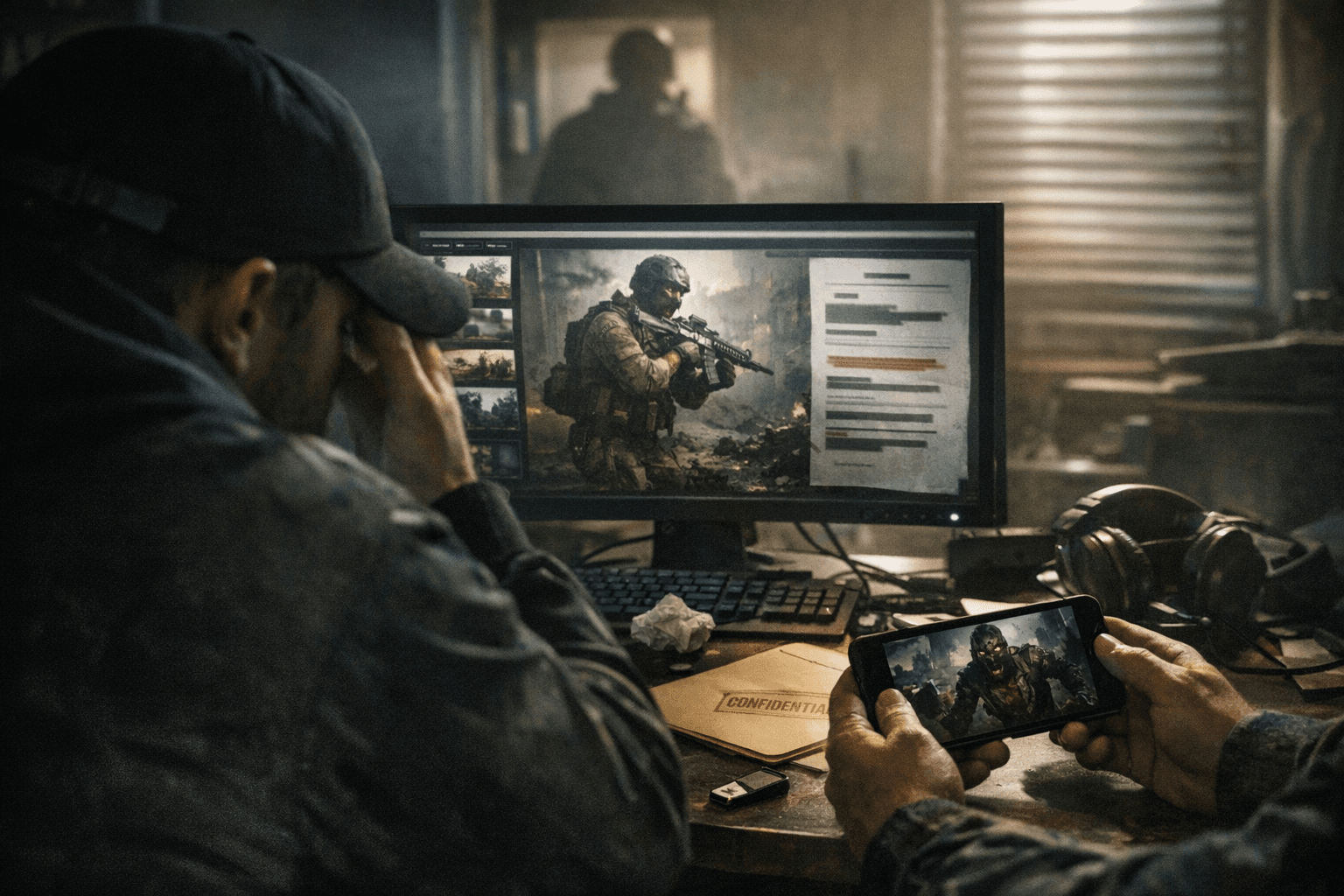
The escalating pressure from Activision follows a pattern taking shape across the industry. Epic Games recently pursued legal action against a leaker who was ultimately revealed to have been an employee working on Fortnite, establishing a precedent that insider leaks carry real legal exposure. For publishers protecting unreleased content tied to franchises worth billions in annual revenue, the calculus for aggressive legal intervention appears to be shifting.
Whether Activision's crackdown signals a broader sweep targeting other leak accounts in the Call of Duty space remains an open question, but The Ghost of Hope's compliance suggests the publisher is prepared to back its public statements with legal pressure.
This article was produced by Prism’s automated news system from verified source data, official records, and press releases, then run through automated quality and moderation checks before publishing. The system is built and supervised by the people who set the standards it runs under. Read our full AI policy.
Did this article answer your question?