Black Ops 7 Endgame guide spotlights abilities, skills, and squad survival
Endgame now matters as Black Ops 7’s real progression mode, and the right ability choices are what keep your squad alive in Avalon.
Endgame is now the mode that decides how far your progress can go
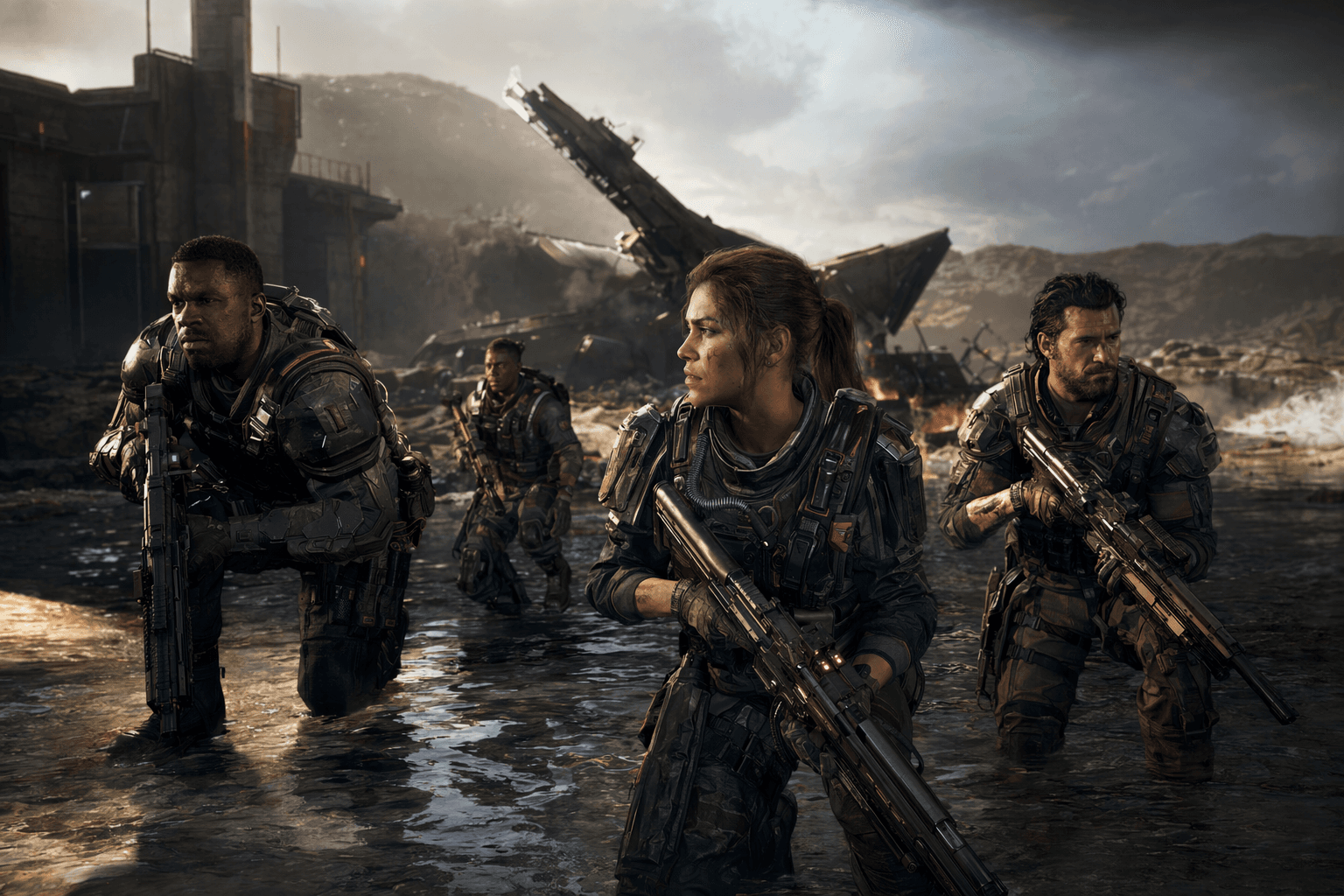
Endgame is no longer the side activity you sample once and leave behind. Black Ops 7’s updated guide treats it as a full replayable mode with its own logic, where survival, squad composition, and build choices all feed into how far you can push through Avalon.
The setup is straightforward but demanding: up to 32 players enter the mode in squads of four, and the action plays out in a PvE environment built around exposure zones that grow more dangerous the longer you stay in them. That structure matters because Endgame is not about one flashy run, it is about lasting long enough to keep momentum, secure better rewards, and avoid wasting time in failed exfil attempts.
The first loadout decision is more important than most returning players expect
Before you queue in, Endgame lets you customize a loadout with weapons, field equipment, one Minor Ability, and one Major Ability. That is the backbone of the mode, and it is what separates a run that feels controlled from one that turns into a scramble.
If you are coming back after time away, the biggest shift is that Endgame is now permanently available to everyone, which makes those choices matter for the broader player base instead of only the people who once cleared the first 11 co-op campaign missions to unlock it. The mode now has to work as a living part of Black Ops 7, not as a hidden extra, and that is why the ability and skill-track system deserves attention before you hit matchmaking.
Start with the tools that keep you alive first
For early progression, survivability should come before style. Endgame’s exposure zones punish hesitation, so the abilities that buy you time, reduce panic, or let you recover from a bad angle are the ones that pay off fastest. Ballistic Shell and Active Camo are the clearest survival-minded picks in the pool, and they are the kind of abilities that can stabilize a run when the squad starts getting stretched.
That same logic makes Kinetic Jump and Grappling Hook important for players who want to stay mobile under pressure. In a mode built around increasingly dangerous zones in Avalon, getting out of a compromised spot quickly is often worth more than trying to force a fight in place. Portal Grenade also fits that survival-first mentality because it adds another layer of repositioning when routes start closing.
The best squad value comes from information and recovery
Once you can stay alive long enough to think ahead, squad utility becomes the next big upgrade. Vision Pulse and Drone Pod naturally stand out here because Endgame rewards teams that know where the danger is before they walk into it, and that kind of information can save an entire squad from overcommitting. Sentinel Protocol also fits the same practical lane, giving teams another way to reinforce a coordinated push instead of scattering across Avalon.

Crash Cart is the other obvious utility piece, especially if your group tends to play with one or two risk-takers and one player trying to keep the run on track. In a four-person squad, a support tool that helps the group reset after a fight can matter as much as raw damage, because the mode’s reward structure is tied to surviving longer and handling tougher zones. That is where Endgame starts to separate itself from a simple horde-style activity: the smartest play is often the one that keeps the squad organized for the next fight, not the one that wins the current one.
Damage options still matter, but only after the foundation is set
Endgame does not force you into a single build path, and that flexibility is part of what makes the mode feel like it has its own meta. If you want to lean into pure damage, the loadout pool gives you obvious offense-first options like Hand Cannon, War Machine, Shadow Break, and Thermal Spike. Those picks matter, but they are strongest when the rest of the squad is already covering survival and information.
That is the central lesson for returning players: damage is only one lane in Endgame, not the lane. The mode is built around flexible team play, so a player bringing the hardest-hitting setup is not automatically the most valuable person in the squad if they cannot survive exposure zones or help the group move cleanly through Avalon. The best runs usually come from squads that mix offense, movement, scouting, and recovery instead of stacking the same job four times.
Skill tracks are the other half of the progression picture
Abilities get the attention, but skill tracks are what make Endgame feel like a long-tail progression system instead of a single loadout screen. The guide’s larger point is that the mode’s reward loop is tied to how well you survive repeated pressure, manage tougher zones, and keep your progress intact as the run deepens.
That means skill tracks should be treated as practical upgrades, not cosmetic background systems. Anything that helps you live longer, support teammates more efficiently, or move through Avalon with fewer mistakes is going to have real value early on. If your goal is to make every run count, the first track decisions should match the same priorities as your abilities: durability, squad usefulness, and solo safety when the group gets split.
Avalon rewards teams that play with a plan
Avalon is not just scenery here. The map’s escalating exposure zones are what give Endgame its tension, and they are why the mode keeps pushing players toward smarter builds and cleaner squad coordination. The more dangerous the zone gets, the more your setup matters, because bad loadout choices turn into lost progress fast.
That is why the updated guide lands as more than a simple ability list. It reframes Endgame as a mode with its own rhythm, where the players who thrive are the ones who treat every slot as a decision about survival and every run as part of a larger progression path. For Black Ops 7, that makes Endgame feel less like an extra and more like one of the game’s defining systems.
This article was produced by Prism’s automated news system from verified source data, official records, and press releases, then run through automated quality and moderation checks before publishing. The system is built and supervised by the people who set the standards it runs under. Read our full AI policy.
Did this article answer your question?