Call of Duty and Battlefield race to Hollywood in escalating big-screen showdown
Call of Duty has the cleaner Hollywood pitch, but Battlefield is suddenly the hotter challenger, and both films will live or die on whether fans feel the games inside the spectacle.
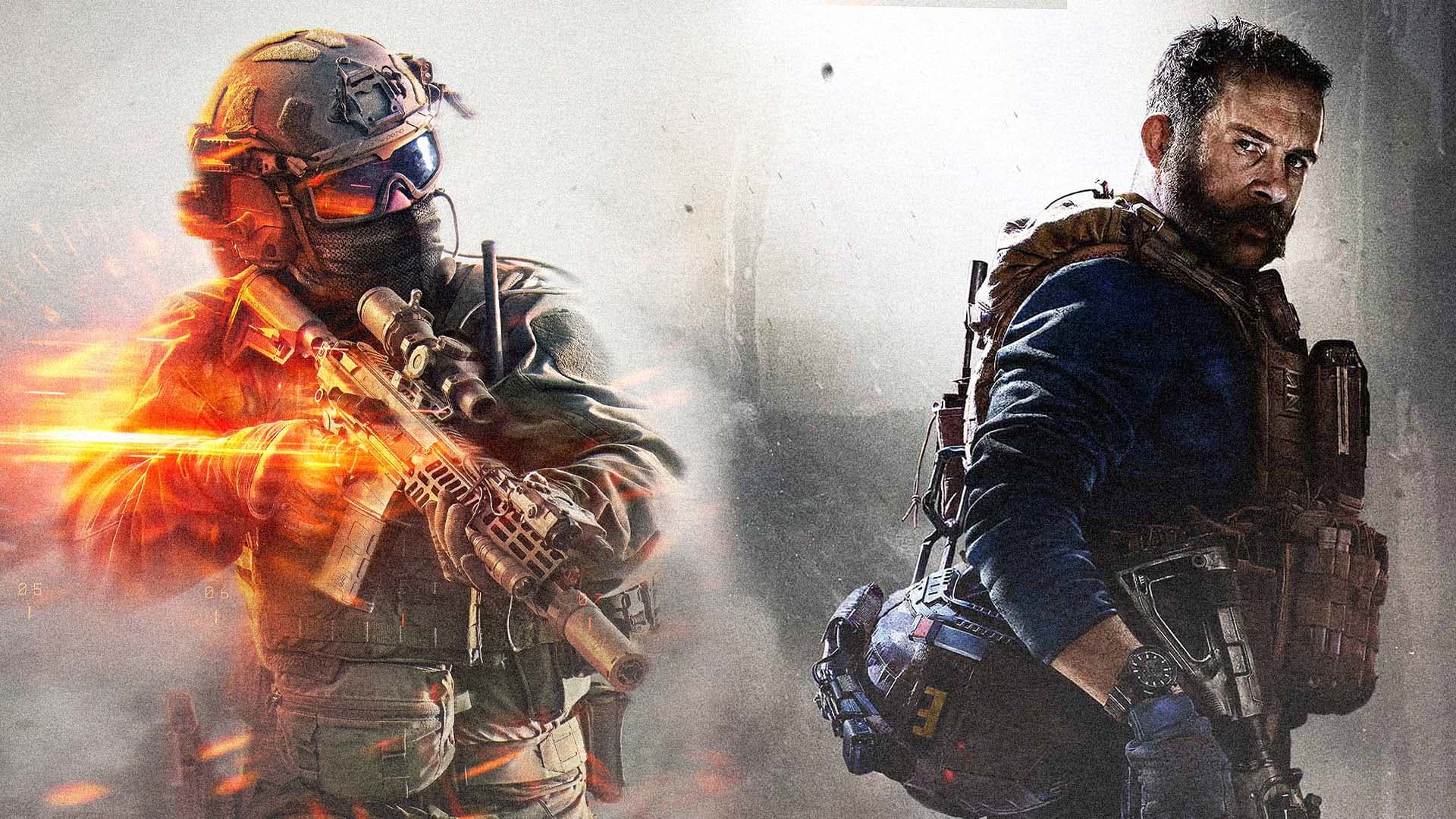
The rivalry just left the lobby
Paramount and Activision turned the Call of Duty movie from rumor into a real production on September 2, 2025, and the scale of that move set the tone immediately. Paramount has already framed the project as a live-action feature built to honor the franchise’s narrative and style, while also reminding Hollywood that Call of Duty has sold over 500 million copies worldwide and has been the No. 1 best-selling video game series in the U.S. for 16 consecutive years.
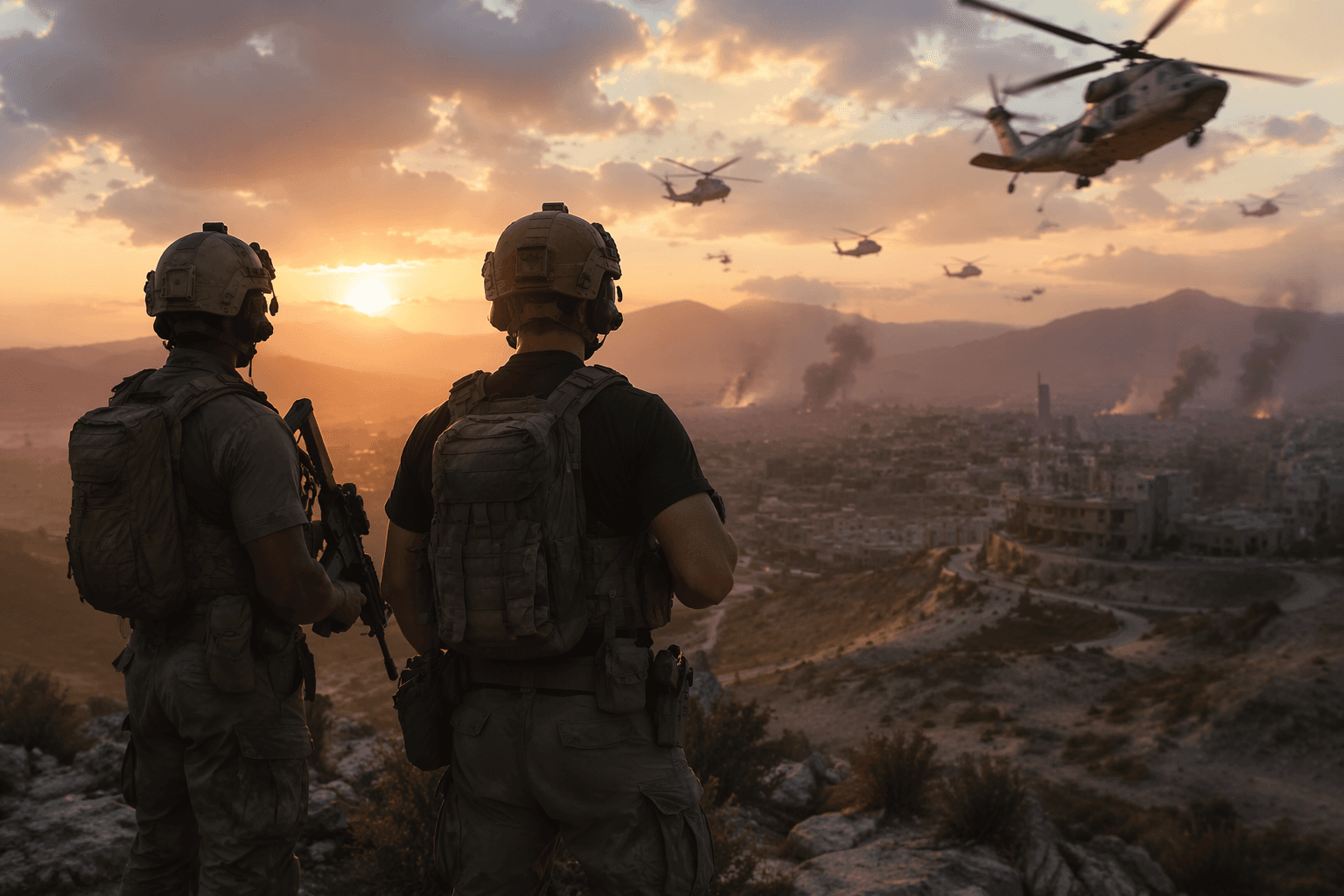
That is the kind of commercial gravity studios love, but the timing makes it more interesting. IGN has framed the two adaptations as an extension of the long-running Call of Duty versus Battlefield rivalry, and now that rivalry is no longer just about console shelves and annual releases. It is about which military shooter can become the bigger screen event.
Why Call of Duty looks like the safer bet
On paper, Call of Duty is the easier franchise to sell to a general moviegoing audience because its brand recognition already reaches far beyond the core player base. The series has lived at the center of mainstream gaming for years, and Paramount is leaning into that reality by treating the film as a prestige franchise play rather than a generic game adaptation.
David Ellison has described the project as being approached with the same discipline that powered Top Gun: Maverick, which tells you the studio wants polish, momentum, and broad theatrical appeal. Activision president Rob Kostich has been even more pointed about the creative mandate, saying the companies want to honor the brand’s “visceral” action. That word matters. Call of Duty cannot just look expensive; it has to feel immediate, tense, and kinetic in the way the best campaigns do when the mission is moving and the player is barely keeping up.
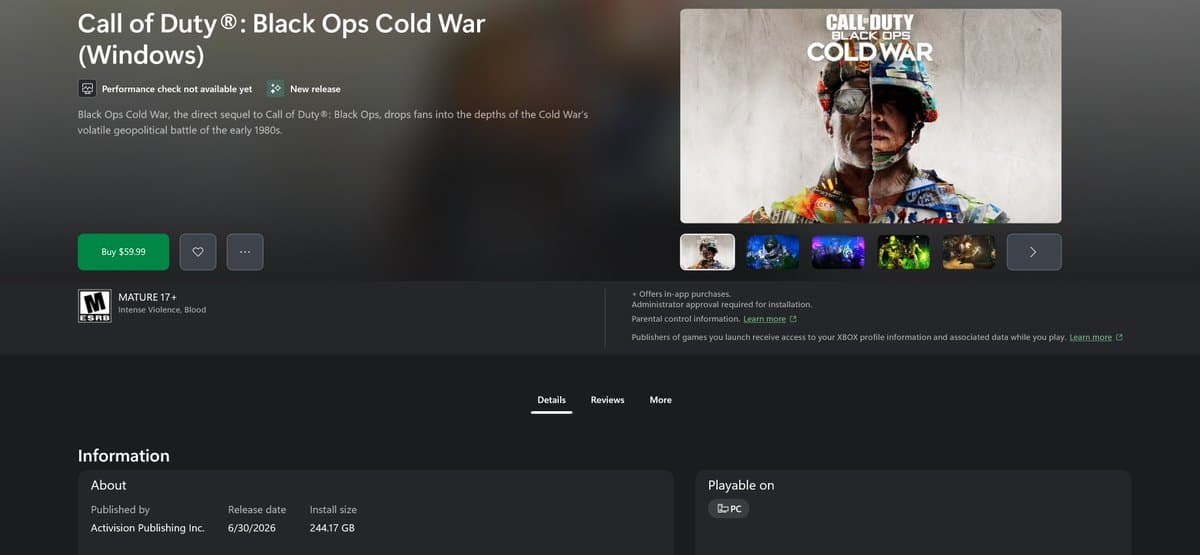
Paramount later locked in a June 30, 2028 theatrical release, with Peter Berg set to direct and Taylor Sheridan writing the script. That pairing says a lot about the kind of movie this is meant to be: muscular, grounded, and built around real stakes, not just a parade of recognizable military hardware.
What the Call of Duty film has to get right for fans
The test is not whether the movie can mimic gunfire and explosions. Hollywood can do that. The real challenge is translating the franchise’s identity in a way that players will recognize instantly, even if the story changes shape on the way to the big screen.
- A clear mission-driven structure that feels like a campaign, not a random montage of set pieces.
- Tactical tension that respects the franchise’s pace, rather than flattening it into generic war-movie noise.
- Characters who feel like they belong in the same universe as the games, even if the film tells an original story.
- Action that earns the word “visceral,” because CoD fans can spot empty spectacle fast.
A Call of Duty film needs:
That balance is why the Peter Berg and Taylor Sheridan combination stands out. Berg has long been associated with propulsive, no-nonsense action, while Sheridan brings the kind of muscular writing that can make a unit, a mission, or a battlefield feel like more than a backdrop. If this works, it will be because the movie understands that Call of Duty’s appeal is not just combat. It is combat with rhythm, urgency, and a very specific brand of seriousness.
Battlefield’s surprise advantage is also its challenge
Battlefield has entered the race with a very different kind of momentum. The Hollywood Reporter said on April 24, 2026 that Christopher McQuarrie is attached to write, direct, and produce a Battlefield feature for Electronic Arts, with Michael B. Jordan attached to produce and possibly star. That is a major creative package in its own right, and it comes with a very different sales pitch: this is not just a game adaptation, it is a property that studios and streamers, including Apple and Sony, are already meeting on, with the project being prioritized for theatrical release.
The other twist is that Battlefield has become the more urgent commercial story in games, at least for the moment. THR reported that Battlefield 6, described there as the 18th game in the series, launched in 2025, became the franchise’s biggest seller, and ended up as the top game of 2025, overtaking Call of Duty. That gives the Battlefield movie something a lot of adaptations never get: a hot streak.
But Battlefield’s brand identity is also trickier to translate. Where Call of Duty often sells on sharp campaign beats and a globally familiar name, Battlefield has long been defined by scale, chaos, and combined-arms warfare. That can look thrilling in a trailer, yet it is harder to turn into a film that feels emotionally legible. A Battlefield movie has to make large-scale combat feel personal without shrinking the spectacle that makes the series distinct.
The real fight is over theatrical authenticity
This is where the showdown becomes more than a rights race. Both films are being asked the same hard question: can Hollywood turn shooter prestige into something fans would actually claim as authentic?
Call of Duty has the stronger mainstream brand and the clearer path to a prestige blockbuster. Battlefield has the flashier current-game momentum and, thanks to McQuarrie and Michael B. Jordan, the kind of A-list involvement that can pull in industry attention fast. One arrives with certainty about the audience; the other arrives with heat, bidding-war energy, and the possibility of feeling like the cooler bet if the adaptation lands.
That is why the theater release plan matters so much. Paramount is betting that Call of Duty belongs on a giant screen with room for scale and discipline. THR’s reporting suggests Battlefield is being pushed the same way, because both projects are being treated like events, not disposable tie-ins. If Hollywood is going to win over players who know the difference between brand recognition and brand fidelity, both films will need more than explosions and uniforms. They will need the exact tone that made these games stand apart in the first place.
The next big-screen military showdown will not be decided by who announces first. It will be decided by which film understands that fans are not just buying action, they are buying identity.
This article was produced by Prism’s automated news system from verified source data, official records, and press releases, then run through automated quality and moderation checks before publishing. The system is built and supervised by the people who set the standards it runs under. Read our full AI policy.
Did this article answer your question?