FaZe Clan's collapse from $1B SPAC unicorn to sub-$100M exposes mismanagement
FaZe rose from a 2010 Call of Duty YouTube crew to a $1B SPAC in July 2022, then lost most of its value within a year and was sold for roughly $16-17 million before creators quit in December 2025.
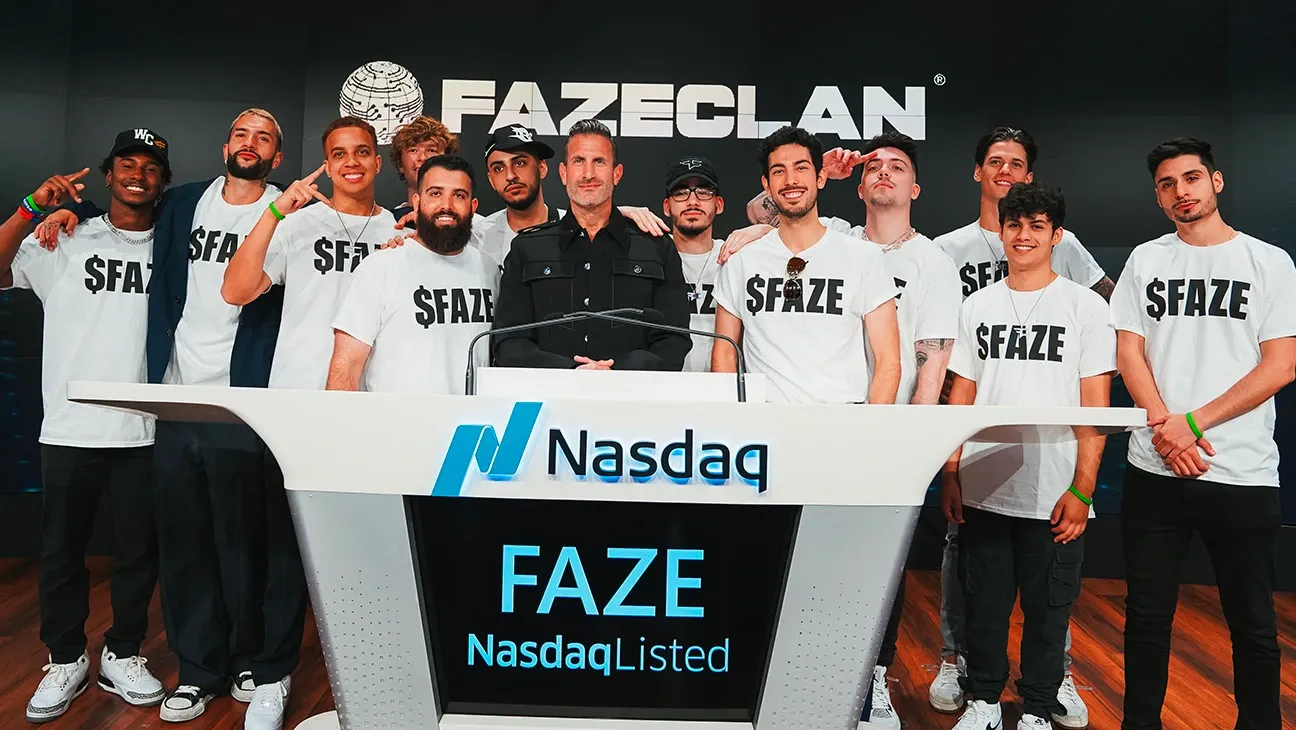
Founded in 2010 as a Call of Duty YouTube team, FaZe Clan parlayed creator culture and high-profile partnerships with Nike, the NFL, McDonald’s and Snoop Dogg into a July 2022 SPAC that valued the company at more than $1 billion. That public high water mark collapsed fast: LinkedIn commentary and industry filings show FaZe’s market capitalization slid below $100 million within roughly a year of the IPO.
The corporate unraveling culminated in a mid-teens million sale of the brand to GameSquare, a deal described by one outlet as "roughly $16 million" and by another as a 2024 purchase for $17 million. GameSquare now owns and operates FaZe’s competitive rosters, including Counter-Strike and Call of Duty teams, and has signaled that esports "will be its 'main focus moving forward'." Those figures amount to a fraction of the company’s earlier public valuation.
Talent relations frayed publicly in late December 2025, when Dust2 Us reported that major creators Adapt, Jason, Ronaldo, Lacy, Rage and Silky left FaZe after more than a decade with the brand in many cases. The departures were linked to reported disputes with Matt Kalish, chief executive officer of HardScope and a significant FaZe investor; reporting cited by Dust2 Us says Kalish tried to have creators sign with his agency HardScope to fix what was called an "unsustainable" financial model, and the creators rejected those terms.
Industry reporting traces the decline to strategic and governance failures. Digiday documented internal divergence between FaZe’s advertising-driven corporate strategy and its creator roots, putting it bluntly: "FaZe, the business, had diverged from FaZe, the brand." Eight former FaZe staffers spoke to Digiday about changing priorities and the removal of "franchise" language from investor materials between earlier RFPs and a 2021 pitch deck, reflecting a shift away from promised location-based franchise assets.

Legal and financial analysts have been even sharper. Esportslegal described the collapse as illuminating "critical failures spanning financial mismanagement, executive malfeasance involving cryptocurrency pump-and-dump schemes, systematic talent alienation, and fundamental misconceptions about creator economy business models." The same analysis framed the fallout as "the betrayal of a cultural institution built by the community and destroyed by corporate greed."
With GameSquare running the esports division and creators dispersed, FaZe’s competitive teams may continue, but the media engine that powered the brand is gone. The sequence from a $1 billion SPAC to a sub-$100 million market cap and a mid-teens million sale, capped by the December 2025 influencer exodus, leaves FaZe as a cautionary example for investors, creators, and organizations trying to marry creator culture with corporate finance.
This article was produced by Prism’s automated news system from verified source data, official records, and press releases, then run through automated quality and moderation checks before publishing. The system is built and supervised by the people who set the standards it runs under. Read our full AI policy.
Did this article answer your question?