OpTic Says Call of Duty League Blocked Near-$1M USAA In-Game Deal
OpTic Gaming CEO Hector "HECZ" Rodriguez said the Call of Duty League refused a sponsorship offering from financial services company USAA that reportedly would have paid the team "close to a million" dollars to place a USAA logo on the backs of in-game player models. The refusal raises fresh questions about who controls in-game advertising and how sponsorship revenue is shared between teams and the league.
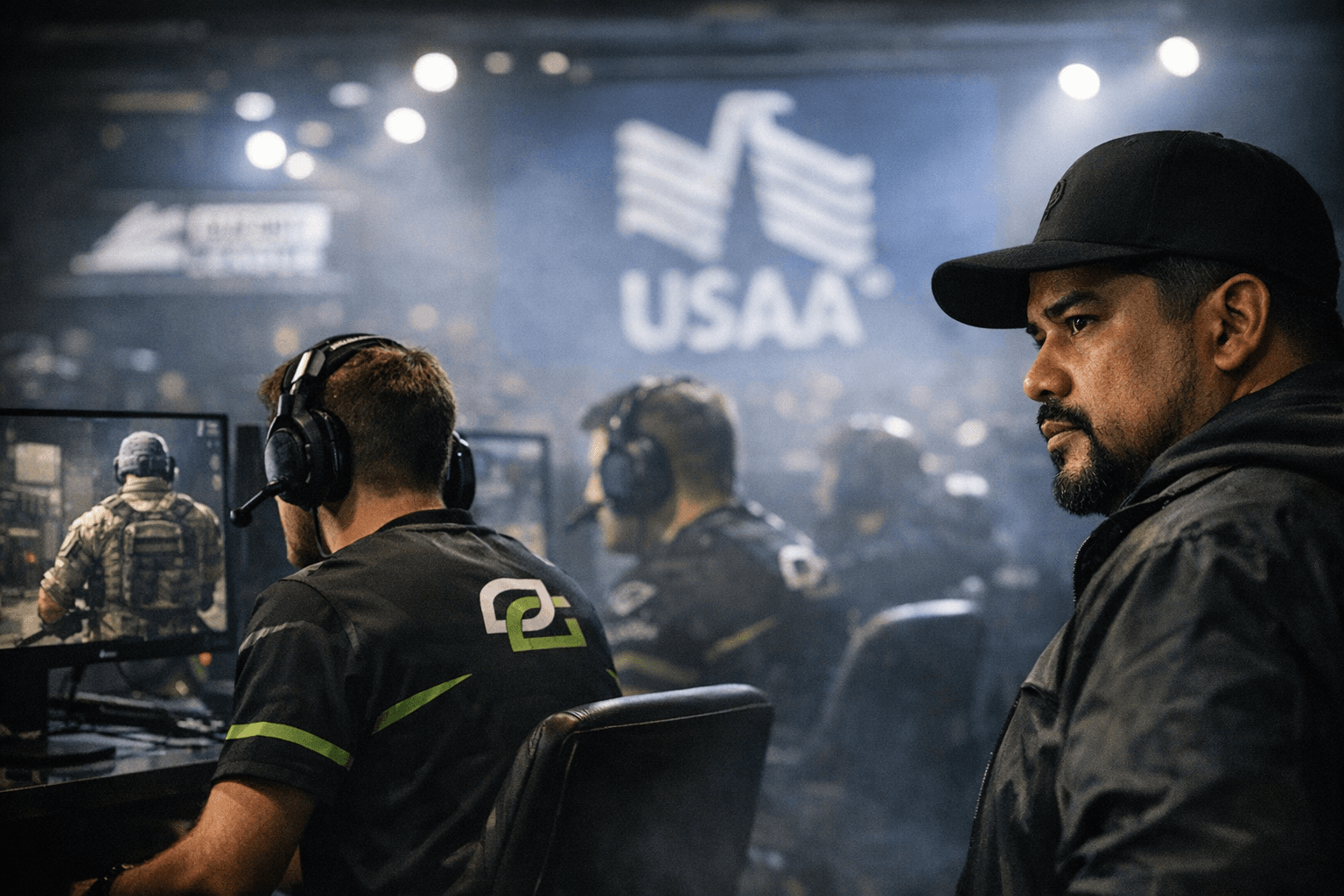
OpTic Gaming chief Hector "HECZ" Rodriguez told interviewer Ben Nissim that the Call of Duty League denied a USAA sponsorship opportunity that would have placed the insurer’s logo on the back of in-game player models and paid the team what HECZ called "close to a million" dollars. The placement would have been a rare example of in-game branding inside the Call of Duty ecosystem, where partner visibility is normally limited to physical jerseys, broadcast overlays and other non in-game placements.
According to accounts surrounding the exchange, the league’s refusal did not turn on USAA as a brand. The sticking point was the proposed financial structure: the money would have flowed directly to the team rather than being shared with the league. USAA later became a league sponsor in a separate agreement. A tweet surfaced referencing the claim, and neither the Call of Duty League nor USAA had publicly commented on the alleged blocked deal as of this report.
The story matters because it highlights an unresolved tension in esports finance: teams want direct revenue streams from sponsorships while leagues often assert control over shared assets and centralized commercial rights. In-game advertising represents high-value real estate for brands because it reaches players and viewers inside the actual play environment, but it also raises questions about who owns and monetizes virtual jerseys and player models.
For teams, the episode underlines limits on pursuing certain direct deals even when those deals offer significant sums. For fans, the decision helps explain why in-game logos remain rare despite the obvious visibility they would provide. For the broader Call of Duty business community, the clash points toward future negotiations over revenue sharing, asset control and what forms of sponsorship the league will permit or reserve for league-level deals.
Expect teams and sponsors to keep testing boundaries as publishers and leagues refine policies around virtual placements. Watch for league statements or policy updates that clarify whether in-game real estate will be centralized, shared, or opened up to team-level deals. The outcome will affect team revenue potential, how sponsors value Call of Duty inventory, and what fans see on player models during competition.
This article was produced by Prism’s automated news system from verified source data, official records, and press releases, then run through automated quality and moderation checks before publishing. The system is built and supervised by the people who set the standards it runs under. Read our full AI policy.
Did this article answer your question?