Raven Software Co-Founder Brian Raffel Retires After 36 Years at Studio
Brian Raffel's April 2 retirement ends 36 years and all founding family ties at Raven; design director David Pellas now steers the studio behind Warzone alone.
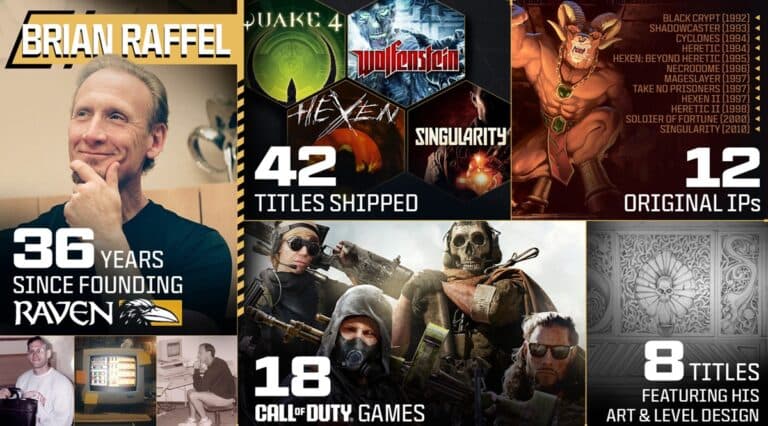
After 36 years building the studio from a three-person operation into one of Call of Duty's most critical development hubs, Raven Software co-founder Brian Raffel stepped down on April 2, 2026. He is the last Raffel at the company: his brother Steve retired in 2017, and Brian's exit marks the first time since the studio's founding that no member of the original family holds a leadership role.
The immediate question for a studio of more than 300 employees, one responsible for Warzone's ongoing live-service support and the campaigns for Black Ops: Cold War, Black Ops 6, and Black Ops 7, is what actually changes under new leadership.
David Pellas, a former design director who joined Raven in 2011, takes over as sole Studio Head. The transition was deliberately staged: Pellas and Raffel shared the Studio Head title beginning in 2024, providing two years of operational overlap before Raffel's departure. His design-director roots are worth examining given what Raven actually does day to day. The studio functions as Warzone's primary steward, managing a live-service platform that demands regular patch deployments, coordination with the RICOCHET anti-cheat team, and near-constant community communication. Raffel personally contributed art and level design to eight of the 42 games shipped during his tenure; Pellas comes from the creative systems side of development, a different orientation for a studio whose daily responsibilities increasingly resemble live operations as much as traditional game development.
With 18 Call of Duty titles produced under Raffel's watch and a release cadence locked to annual Treyarch development cycles, his institutional knowledge of how to negotiate those pressures from a founder's position is not something a job title transfers automatically. Post-consolidation, Raven now operates inside Microsoft's Xbox portfolio, a corporate structure still being reorganized following the Activision Blizzard acquisition. Veteran studio founders have been among the most prominent departures across the industry during this period, and Raffel's exit carries that weight: the co-founder who navigated id Software partnerships, a $12 million Activision acquisition, a publisher leadership overhaul, and a historic labor action is now gone.
That labor action warrants its own place in the ledger. In May 2022, Raven's QA team voted 19 to 3 to form the Game Workers Alliance, becoming the first union at a major U.S. gaming company. The GWA-CWA later ratified a contract with Microsoft, adding a layer of institutional complexity that any new Studio Head inherits.
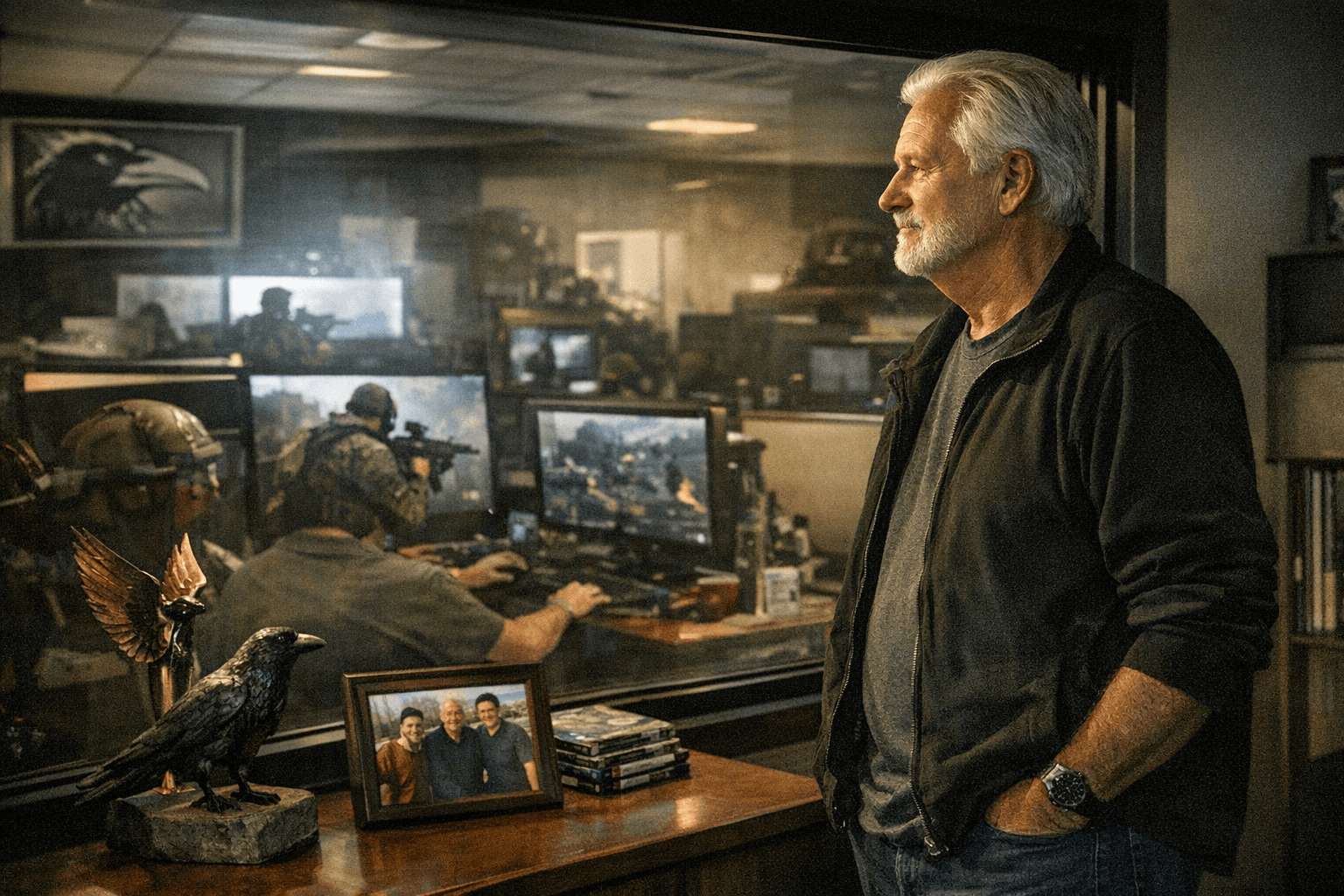
Raffel's route to running a major franchise studio was not a conventional one. He was an art teacher at the University of Wisconsin–Madison and a cross country coach at Middleton High School before he and Steve channeled a shared love of Dungeons & Dragons into a company started with three people in Madison in 1990. Their first game, Black Crypt (1992), was originally a paper-and-pen RPG concept retooled for the Amiga. It underperformed commercially, but a classified ad in a local paper caught John Romero's eye in 1991. The id Software co-creator cold-called Raven, setting off a partnership that produced Heretic, Hexen, and years of engine-licensing collaboration.
Romero paid tribute through IGN: "It's a rare team that can survive from 1990 to today, 36 years. I definitely give credit to Brian for making that happen."
Raven was acquired by Activision in 1997 for $12 million, the first studio the publisher ever bought, with the Raffel brothers receiving more than one million shares of Activision stock. The studio's motto, "move or die," was Raffel's shorthand for the adaptability he credited with keeping Raven alive through three decades of industry upheaval. Pellas now carries that philosophy into a live-service era where the pressure to move, and the consequences of standing still, have never been higher.
This article was produced by Prism’s automated news system from verified source data, official records, and press releases, then run through automated quality and moderation checks before publishing. The system is built and supervised by the people who set the standards it runs under. Read our full AI policy.
Did this article answer your question?