Seventh Circuit Ruling Limits BIPA Damages in Call of Duty Biometric Suits
A federal court just capped Call of Duty BIPA voiceprint damages at $1,000-$5,000 per player, collapsing claims that once threatened millions per case.
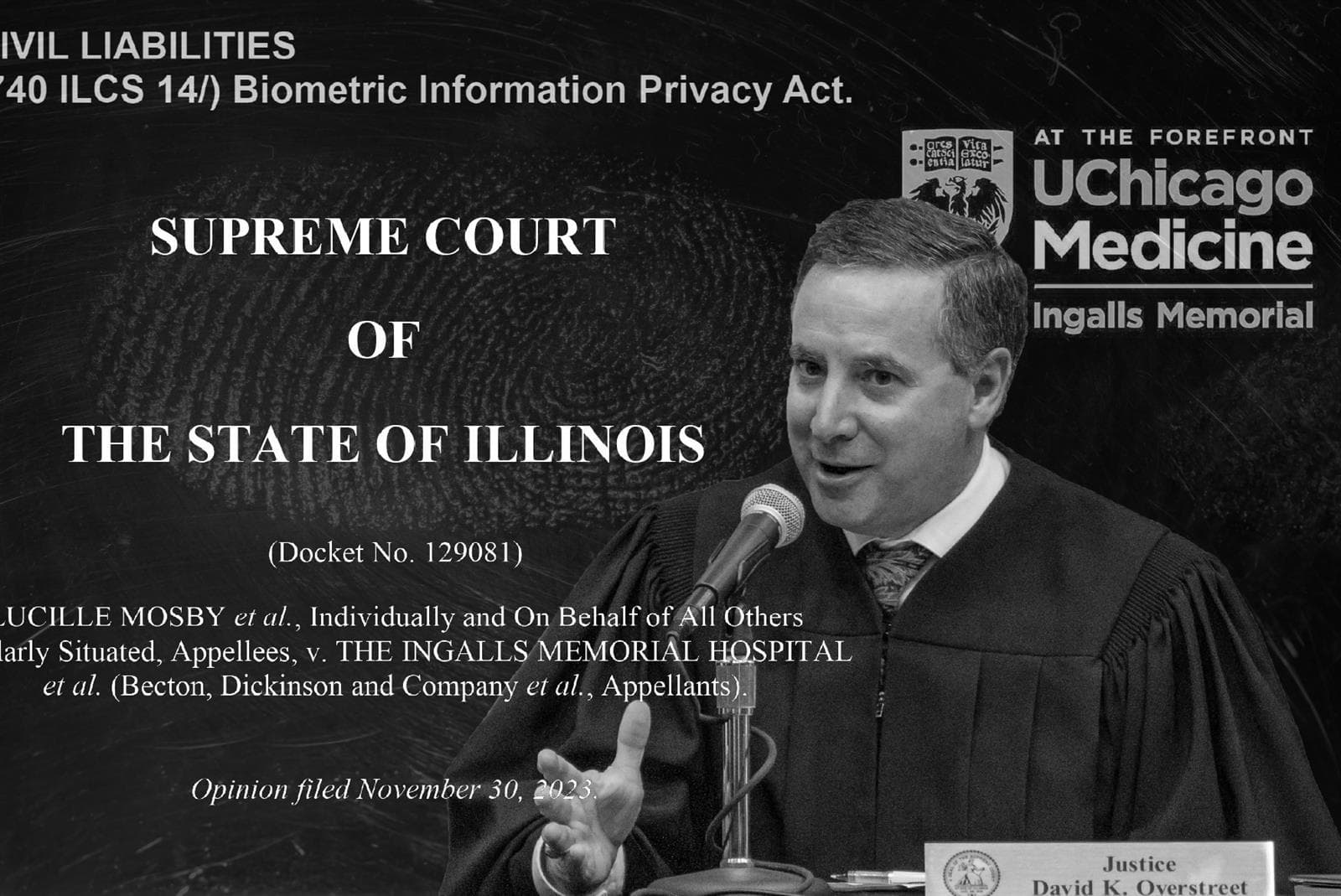
A federal appeals court decision handed down on April 1 slashed the damages ceiling in biometric privacy lawsuits tied to Call of Duty voice moderation, reshaping the economics of hundreds of pending cases in a single ruling.
The U.S. Court of Appeals for the Seventh Circuit held, through a unanimous three-judge panel, that Illinois's 2024 amendment to the Biometric Information Privacy Act applies retroactively to suits already in progress when the amendment took effect. The amendment clarifies that multiple biometric collections of the same type from the same person count as a single statutory violation for damages purposes, capping individual recoveries at between $1,000 and $5,000 rather than allowing plaintiffs to seek separate statutory penalties for each scan or capture.
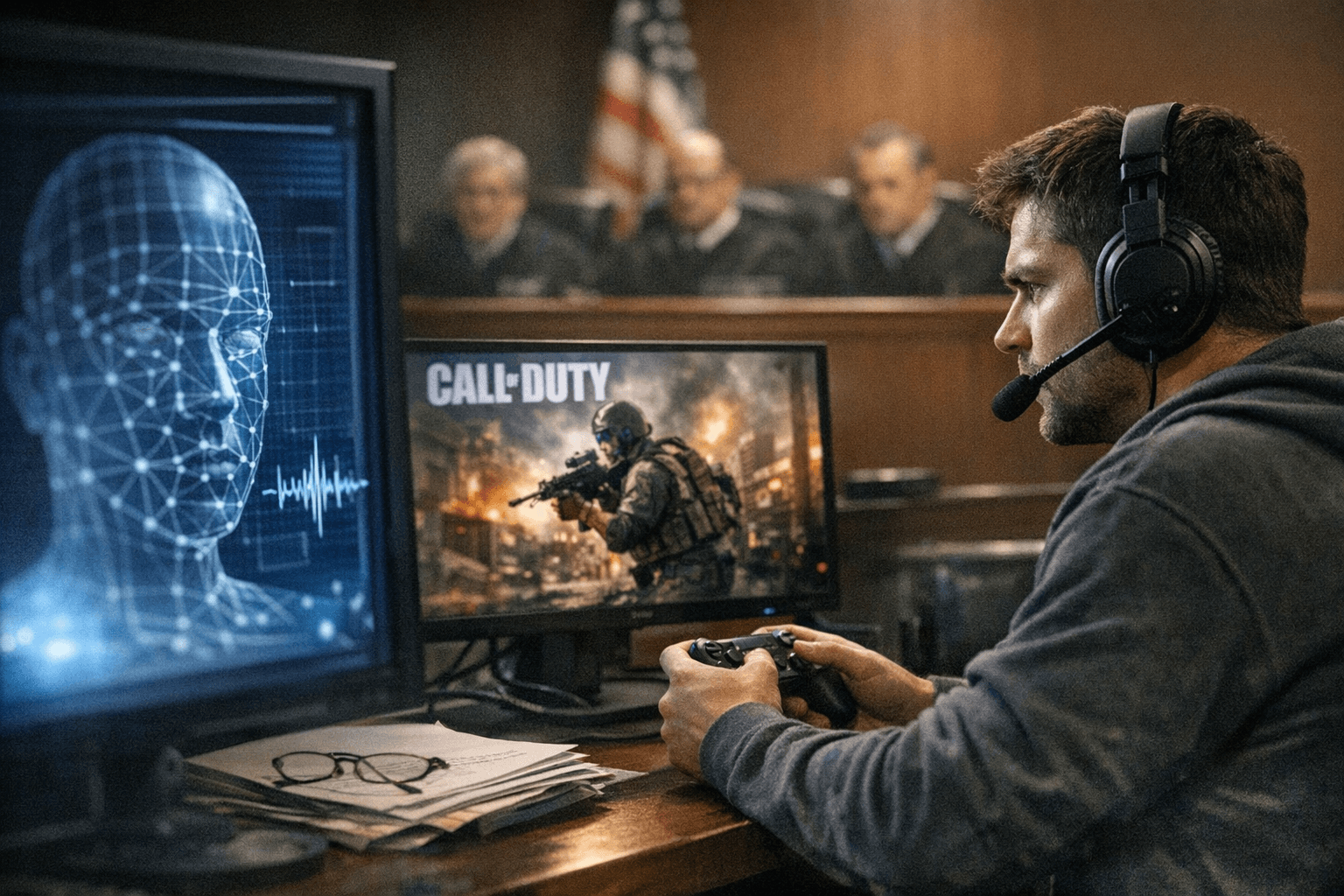
That distinction matters enormously in the Call of Duty context. Activision's integration of Modulate's ToxMod AI voice moderation system in certain titles and regions had become a focal point for BIPA litigation, with plaintiffs' counsel arguing the technology creates and stores voiceprints as biometric identifiers under Illinois law without the written informed consent BIPA requires. Under the per-scan theory plaintiffs had advanced, a single player interacting repeatedly with voice moderation across sessions could theoretically generate damages claims running into the millions.
The Seventh Circuit closed that door. The panel concluded the 2024 amendment "governs damages rather than liability," which under Illinois retroactivity doctrine makes it remedial, not substantive, and therefore applicable to ongoing litigation. The ruling reversed several district court decisions that had previously found the amendment applied only to new cases filed after it passed.
Legal analysts at Fisher Phillips described the outcome as a "major biometric win for business," noting the retroactive framing removes the settlement leverage that per-scan statutory exposure had handed to plaintiffs. One legal commentator put the downstream effect plainly: "The amendment modifies only the damages available — it does not change the core compliance obligations — but applying that modification retroactively changes the economic dynamics of hundreds of pending cases."
Those economics had fueled the BIPA litigation wave against game publishers in the first place. The prospect of enormous per-scan aggregated penalties had created strong financial incentives for defendants to settle quickly and at high values rather than litigate through class certification. With the Seventh Circuit's ruling in hand, defense counsel in Call of Duty-related suits are expected to file motions seeking immediate application of the decision to reduce certified class damages estimates.
Plaintiffs' attorneys still have viable paths forward. BIPA's Section 15 governs substantive compliance obligations, including notice and consent requirements, and the Seventh Circuit left those intact. Expect plaintiffs' counsel to pivot toward injunctive relief, narrower class definitions, or theories that don't hinge on per-scan statutory penalties. Companies collecting, analyzing, or retaining biometric voice data without clear disclosures continue to carry both legal and reputational risk regardless of the damages cap.
For the broader privacy landscape, the decision is likely to be cited in other federal and state courts weighing similar retroactivity questions, and Illinois lawmakers may revisit the statute as the practical consequences of a narrower damages regime become clearer in the months ahead.
This article was produced by Prism’s automated news system from verified source data, official records, and press releases, then run through automated quality and moderation checks before publishing. The system is built and supervised by the people who set the standards it runs under. Read our full AI policy.
Did this article answer your question?