21 teams set sail from Lanzarote in RORC Transatlantic Race
Twenty-one teams from 19 nations left Lanzarote for Antigua in the 3,000-nautical-mile RORC Transatlantic Race. The crossing will test foils, crews and prep ahead of Caribbean campaigns.
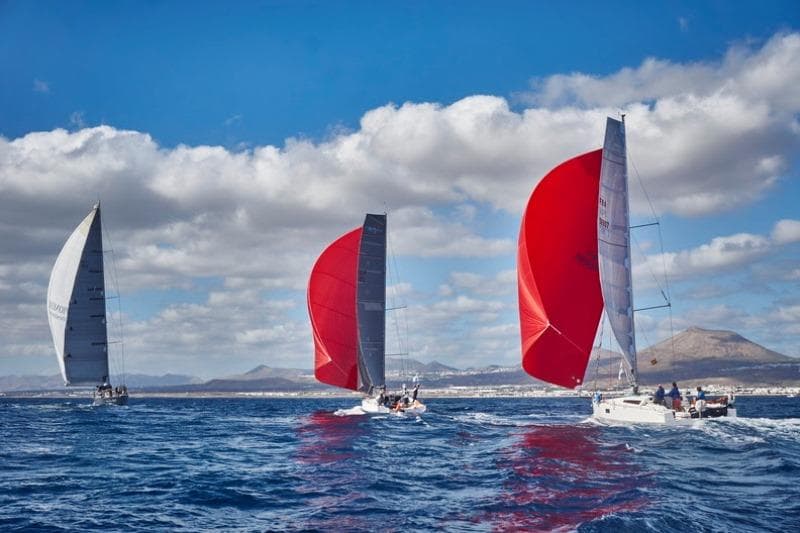
Twenty-one teams from 19 nations departed the waters off Arrecife for a high-speed, 3,000-nautical-mile run to Antigua in the 2026 RORC Transatlantic Race, the first big offshore test of the year for many competitive and cruising sailors. Run by the Royal Ocean Racing Club in partnership with the International Maxi Association and the Yacht Club de France, the event attracted a mix of student crews, family teams, double-handed entries and superyachts.
Monohulls left the start line at 1230 GMT with multihulls following 10 minutes later. Race planners expect the fastest boats to finish in under seven days while the smallest entries may still be racing more than a fortnight after the start. Multiple awards are on the line: the RORC Transatlantic Race Trophy for overall victory on IRC corrected time, the IMA Transatlantic Trophy for the first maxi to finish, and the Multihull Line Honours Trophy for the fastest multihull.
At the sharp end of the multihull fleet a familiar MOD70 trimaran duel set the tone for high-speed tactics and gear testing. Argo’s Jason Carroll captured what many sailors chase in offshore multihull sailing: "It is a really exhilarating experience to travel that fast across the water, so getting to do that for 3,000 miles across the Atlantic is a thrill the whole time." Zoulou’s Ned Collier Wakefield warned of a close contest if conditions push the fleet into a downwind slog: "If it turns into a downwind drag race, we'll be glued to each other all the way across. The boats are effectively on the same page now, and the latest foils and rudders give huge stability and lift without taking control away."
Monohull line honours contenders include the radical Baltic 111 Raven, which has thousands of offshore miles under her keel but is racing this event competitively for the first time. Project manager Klabbe Nylof noted the campaign milestone: "Although Raven has already crossed the Atlantic twice and logged more than 18,000 nautical miles offshore, the 2026 RORC Transatlantic Race will mark her first competitive transatlantic campaign." New designs such as the scow-bow 50-footer Palanad 4 aim to press the IRC battle; skipper Antoine Magre summed the short plan succinctly: "The goal is simple: go as fast as possible."
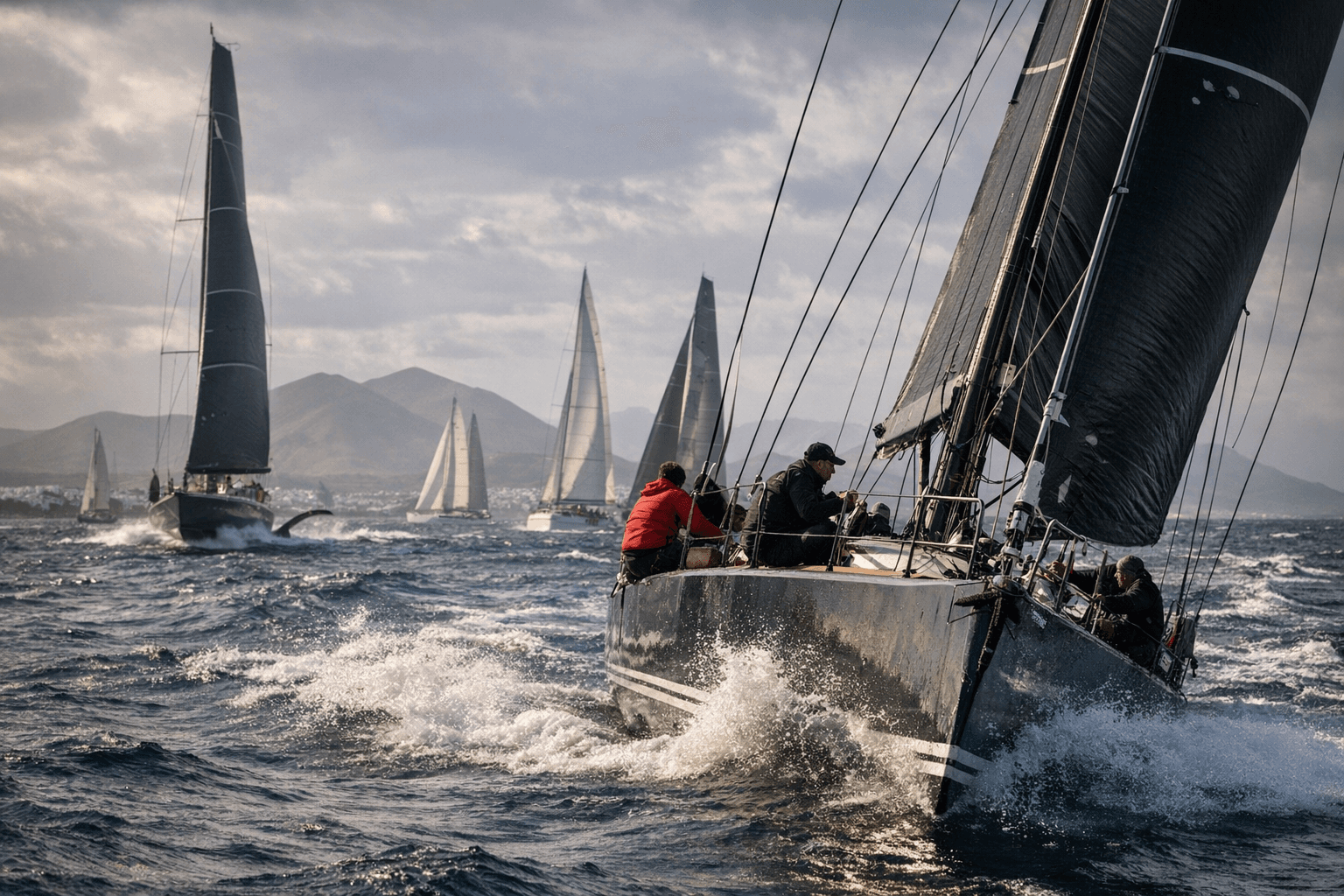
The fleet ranges from superyachts Be Cool and Linnea Aurora at 128ft and 129ft down to Stimmy, the 32.7ft double-handed boat sailed by Ari Huusela and Annika Paasikivi. "Our goal is simple: enjoy the sailing and finish safely," Huusela smiled. Family pairings and student-heavy teams are also part of the story, using the race as a learning ground and a proving ground for systems, crew cohesion and weather strategy.
Antigua waits not just as the finish line but as a springboard into the Caribbean season, with the RORC Nelson’s Cup Series and the RORC Caribbean 600 coming up in February. For teams planning a longer campaign, a flat-out transatlantic passage delivers real-world data on foils, reefing strategies and watch systems before tackling the tight, tactical racing inshore.
The takeaway? Treat this race like a systems shakedown and a performance tune-up. Test foils and control systems under prolonged strain, lock down watch rotations and weather routines, and you’ll arrive in Antigua with a tuned platform ready to race hard in the Caribbean. Our two cents? Use every mile as practice you can’t simulate at the dock.
This article was produced by Prism’s automated news system from verified source data, official records, and press releases, then run through automated quality and moderation checks before publishing. The system is built and supervised by the people who set the standards it runs under. Read our full AI policy.
Did this article answer your question?