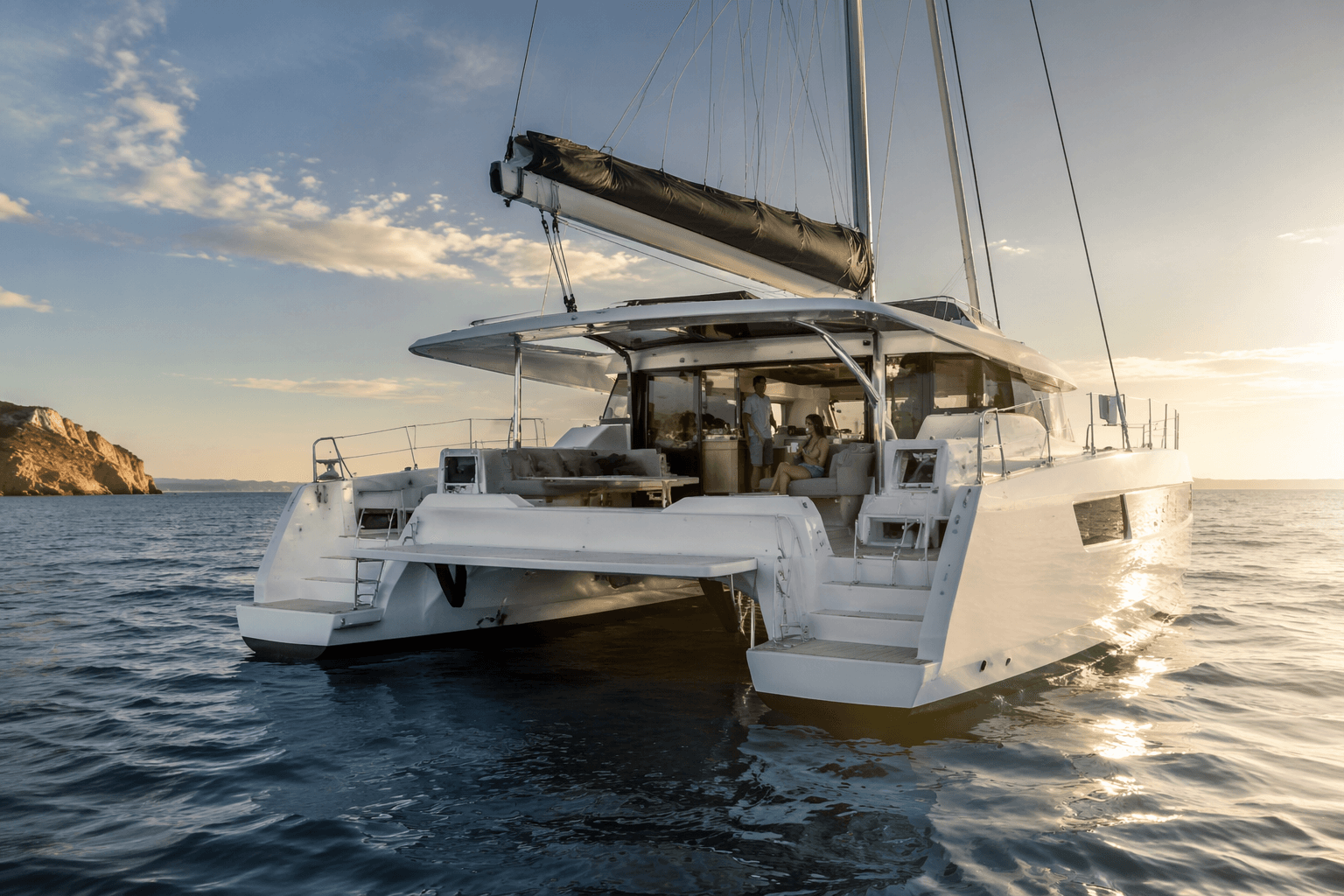
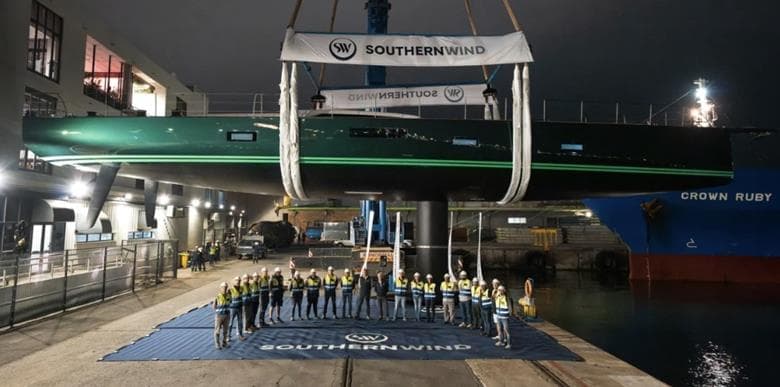
Aquila factory tour shows craftsmanship, cabinetry, and quality control
Aquila’s best sales pitch is hidden in the shop floor, where warehousing, metalwork, and cabinetry show how consistency gets built before a hull ever leaves the line.
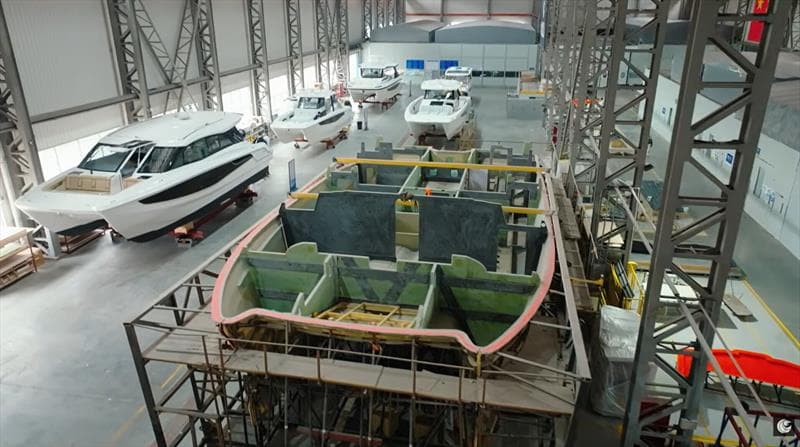
A closer look at where the build is won
Aquila’s strongest argument is not a glossy exterior line or a polished salon shot. It is the way the factory tour traces quality back to the first place a part lands, then follows it through the shop until it becomes a finished detail a buyer will touch every day. That is the real story behind the second episode of The Catamaran Company’s Aquila walkthrough: craftsmanship, cabinetry, and quality control are not presented as marketing phrases, but as the system that keeps a large and expanding lineup moving without letting standards drift.
The central message is simple: consistency starts before assembly. Every component passes through a centralized warehouse before it reaches a hull, where parts are received, catalogued, and distributed to the right department at the right time. That kind of coordination sounds unglamorous, but it is the backbone of the shipyard, especially for a builder managing 15 power catamaran models while also growing its sailing range. For buyers, that matters because a broad product line is only as trustworthy as the process holding it together.
The warehouse is where consistency begins
The warehouse stop in the tour is more important than it first appears. By centralizing parts handling, Aquila gives itself a clear point of control before anything gets installed, painted, or hidden behind panels. That means the builder is not relying on loose, ad hoc movement of materials from one shop to another; it is controlling timing, sequencing, and distribution in a way that supports repeatability across models.
For an owner, that kind of discipline shows up later as fewer surprises in fit and finish. It suggests a factory that is thinking about consistency not just at the final inspection stage, but at the moment each part enters the building. In a lineup as wide as Aquila’s, that is exactly where confidence is either reinforced or lost.
Stainless steel work is part of the quality story, not an afterthought
The tour then moves into stainless steel fabrication, where deck hardware, handrails, brackets, and other structural pieces are built on site. That detail is worth slowing down over, because it tells you the builder is trying to control tolerances and react quickly when design changes are needed. In other words, Aquila is keeping some of the most failure-prone hardware in-house rather than treating it as a black box.
That matters on a catamaran, where salt, UV exposure, vibration, and constant mechanical stress punish weak detail work. Handrails that flex, brackets that are poorly aligned, or deck hardware that feels marginal are not cosmetic issues. They are the kinds of flaws that owners notice in real use, and the factory tour makes it clear Aquila wants to prevent those problems before they reach a hull.
Cabinetry is where the brand’s promise becomes tactile
The most revealing part of the walkthrough is the cabinetry and woodworking area. CNC machines shape panels to millimeter accuracy, then craftspeople take over for joinery and finishing. That combination is important because it shows the builder is not choosing between precision and craftsmanship. It is trying to use both.
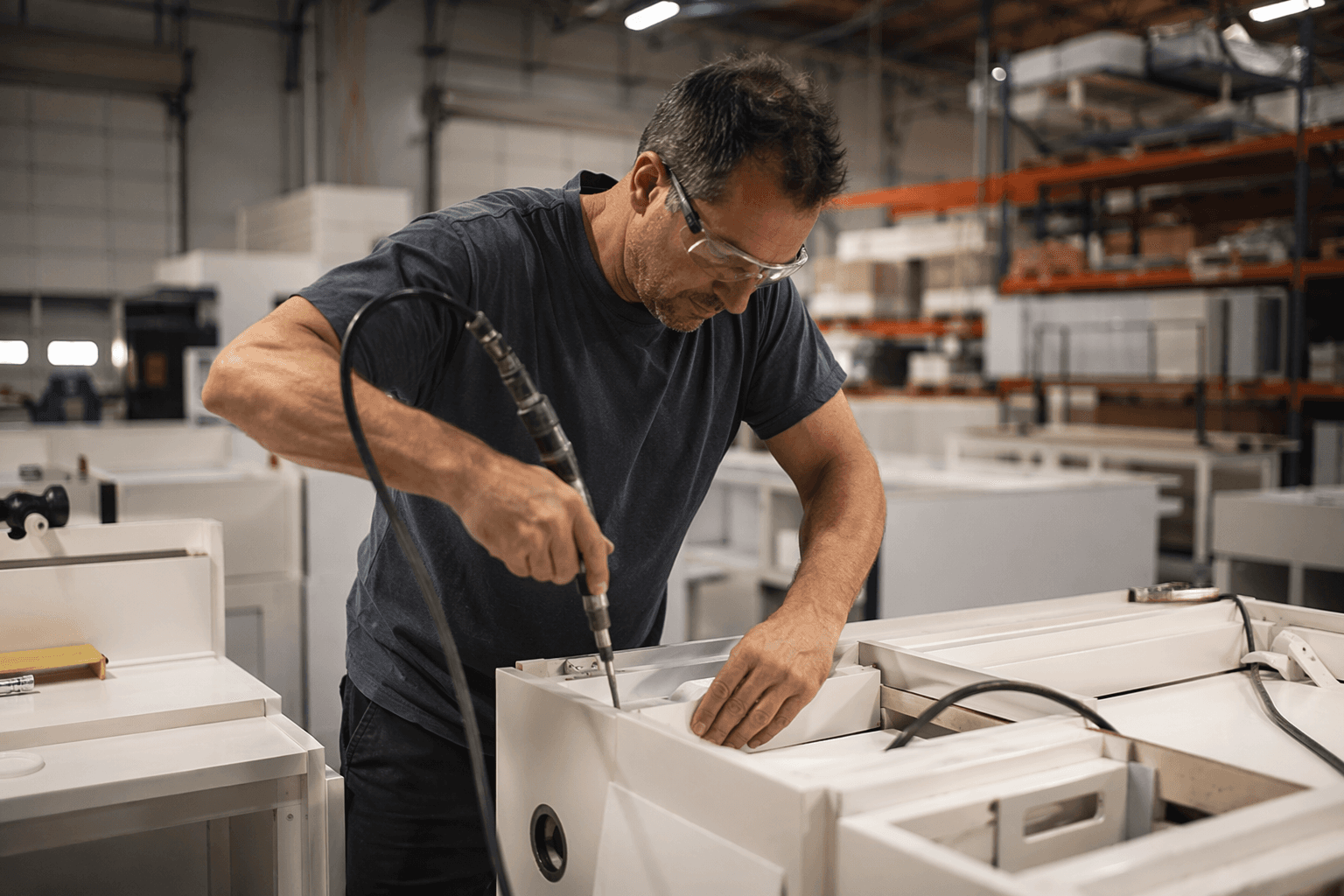
This is also where the story becomes especially useful for buyers trying to judge a catamaran beyond the brochure. Storage and interior solutions are designed around marine use rather than residential habit, which is a subtle but meaningful difference. A yacht interior can look elegant and still be awkward at sea; Aquila’s approach suggests the company is trying to deliver yacht-level polish without sacrificing the durability and practicality that matter offshore.
The cabinetry shop also offers one of the best clues to future ownership experience. If the panels are cut cleanly, the joinery is tight, and the finishing is handled with care, that usually points to a factory culture that pays attention to the details owners live with every day. Doors that close properly, storage that works under motion, and interior surfaces that hold up over time are not separate from build quality. They are build quality.
Why in-house production matters across a growing lineup
The broader value of the tour is that it shows how Aquila’s in-house production model supports scale without giving up control. Building 15 power catamaran models is already a demanding proposition, and the company is also expanding its sailing range. That kind of growth can strain consistency fast if too much is pushed out to scattered suppliers or disconnected production steps.
Aquila’s answer, as the tour presents it, is to keep more of the value chain under one roof. The centralized warehouse, the on-site stainless steel fabrication, and the cabinetry workflow all point toward a shipyard designed to spot issues earlier and handle changes faster. For buyers comparing brands, that is a useful filter: some builders sell craftsmanship as a promise, while others show where it is actually created.
What buyers should take from the tour
This factory walkthrough does not ask you to trust a slogan. It gives you a sequence to watch for when judging a catamaran builder’s seriousness. The parts flow through a controlled warehouse, the structural metalwork is made on site, and the cabinetry is shaped by CNC accuracy before being finished by hand. That is a practical map of where quality is won or lost.
- Check whether a builder talks about parts handling as part of quality control, not just logistics.
- Look for signs that hardware and structural pieces are fabricated in-house, especially where tolerances matter.
- Pay close attention to cabinetry and interior storage, because those details reveal how a builder thinks about real marine use.
- Treat consistency across a large model lineup as a process question, not a styling question.
That is why this Aquila tour lands differently from a standard factory recap. It shows that the brand’s real pitch lives in the warehouse, the stainless steel shop, and the cabinet room, where the line between polished marketing and lasting build quality is actually drawn.
This article was produced by Prism’s automated news system from verified source data, official records, and press releases, then run through automated quality and moderation checks before publishing. The system is built and supervised by the people who set the standards it runs under. Read our full AI policy.
Know something we missed? Have a correction or additional information?
Submit a Tip