Catamaran Buyer Checklist: Use, Layout, Materials, Systems, Propulsion, Surveys
Match the boat to your mission - coastal day sailing, bluewater cruising, or powercat passagemaking - because layout, materials, systems, and propulsion choices change cost, comfort, and safety.
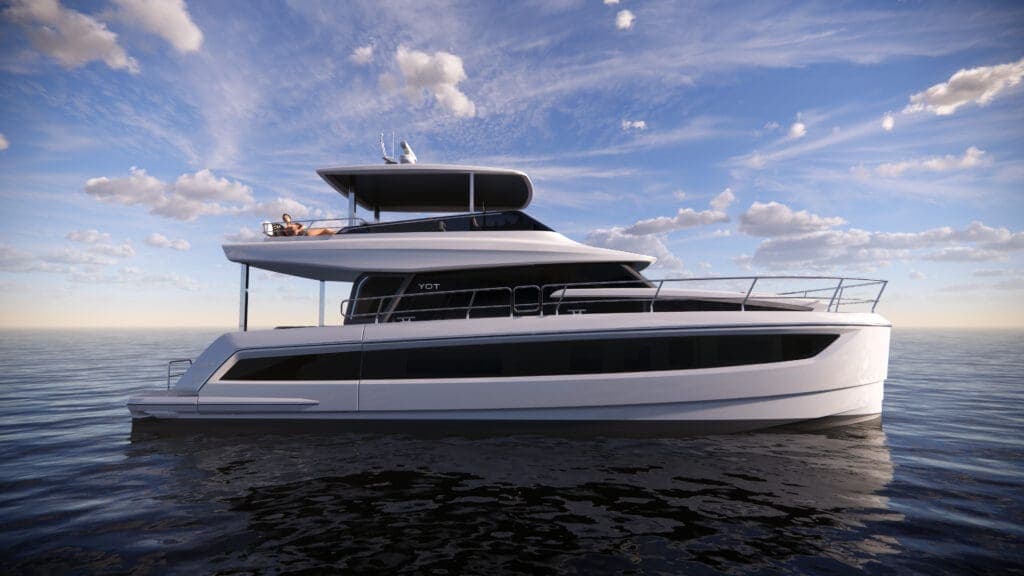
Match your intended use first: coastal cruising, bluewater passagemaking, or a sailing versus powercat profile will dictate hull form, tankage, and systems. That decision is the practical fulcrum for every other choice because a catamaran optimized for coastal comfort will have different bridgedeck clearance, tank sizes, and propulsion than a vessel set up for transocean voyaging.
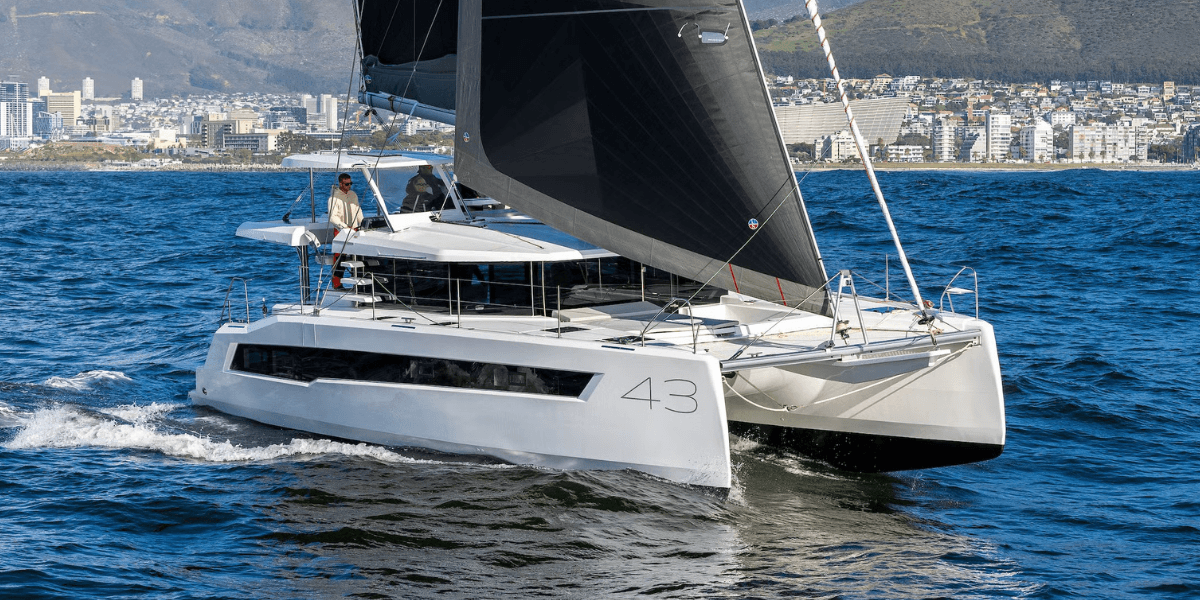
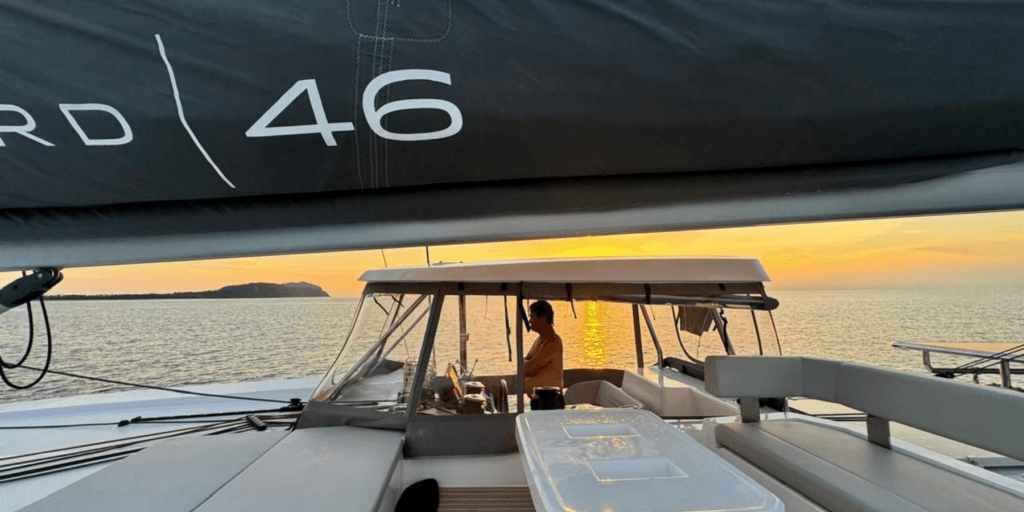
Hull and deck layout are tradeoffs between performance and liveaboard ergonomics. High bridgedeck clearance and a protected saloon reduce slamming and improve offshore habitability; lower decks and sweeping coachroofs save windage and simplify rigging for a performance sailing cat. Consider where the dinghy rides - on a davit, on a stern platform, or tucked in a cockpit - because tender stowage affects cockpit ergonomics, swim platform access, and fueling for powercats. If you value a social helming station, prioritize cockpit flow and sightlines; if storage and workshop space matter, insist on generous aft lockers and dedicated tech rooms.
Construction materials and corrosion considerations are not cosmetic. Ask for the laminate schedule: solid laminate in high-load areas, cored sandwich where weight savings matter, and the resin system used. Inspect stainless fastenings, bonding of dissimilar metals, and evidence of galvanic action around seacocks and prop tunnels. Aluminum and carbon structures have different maintenance regimes and failure modes than polyester or epoxy composites; verify records of protective coatings, through-hull maintenance, and anodes.
Size systems to your actual consumption. Electrical systems must match daily amp-hour use and the peak inverter loads you expect to run; plan battery capacity, charging sources, and an inverter rated for air conditioning or high-draw appliances if you intend to run them. Domestic water capacity ties directly to how long you plan to stay away from resupply and to watermaker sizing. If you cruise in hot climates or plan full-time liveaboard life, check AC and heating capacity against cabin volumes and insulation.
Propulsion choices carry clear tradeoffs. Diesel inboards remain the workhorse for range and proven service networks. Hybrid systems add potential fuel savings and quiet motoring but increase system complexity. Electric tenders and auxiliary propulsion reduce noise and maintenance at close range but require shore-power or robust charging aboard. Consider shaft alignment, prop tunnels, and accessibility for routine service.
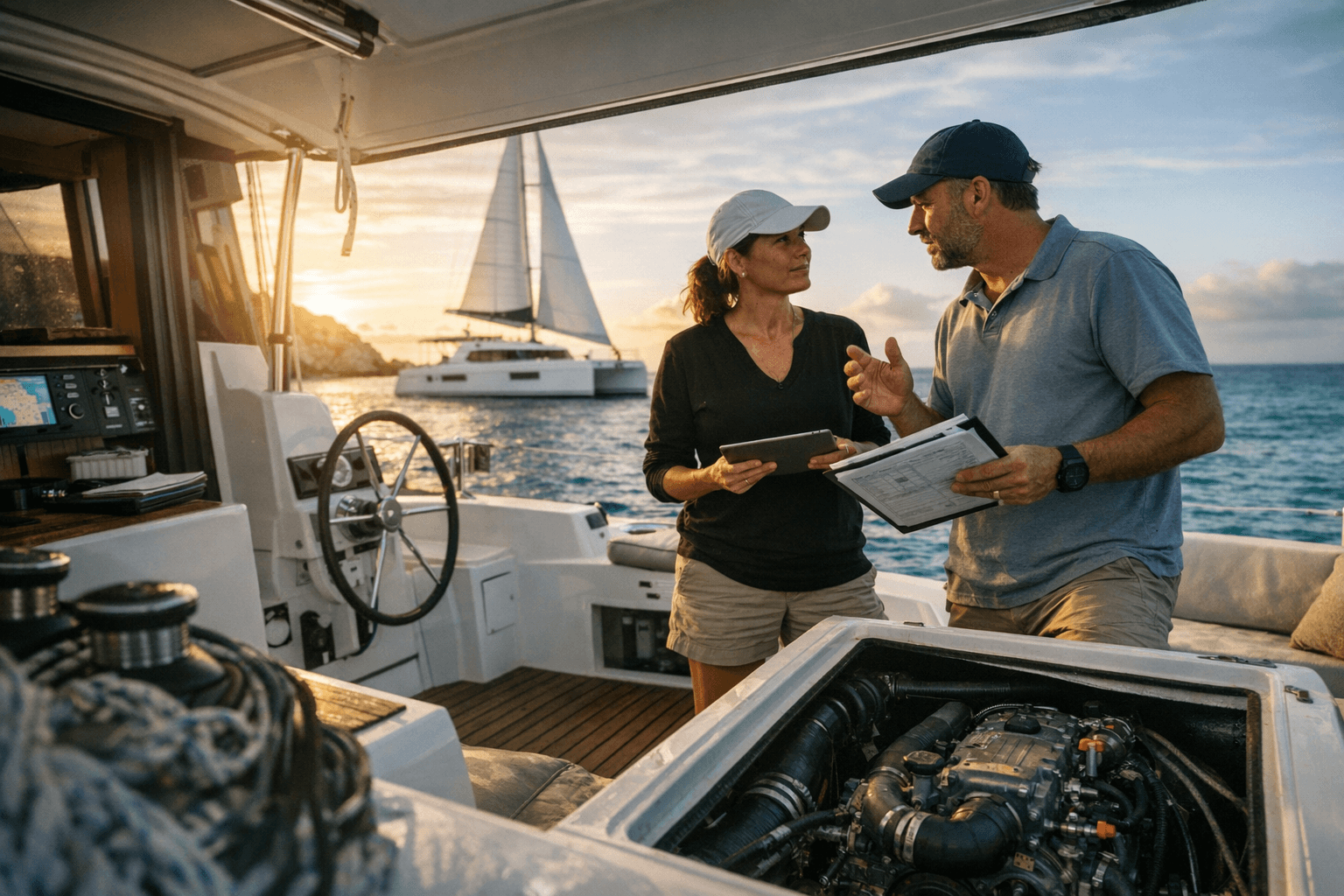
Sea trials and surveys are your final gate. Run a full-power motoring session and a sail trial where possible; test steering loads, bridgedeck slamming, engine ventilation, and genset start under load. During the survey, request core samples or moisture scans in high-load areas, check bond lines at crossbeams and chainplates, inspect stuffing boxes, shaft bearings, and anode condition, and verify service records for engines and charging systems. Bring a multihull-specialist surveyor when evaluating structural joins and bridgedeck integrity.
Verify the match between mission, layout, materials, and systems before committing. Prioritize the mission profile, get specialist eyes on structure and systems, and choose propulsion that fits maintenance access and support network; doing so keeps sea miles memorable for the right reasons.
This article was produced by Prism’s automated news system from verified source data, official records, and press releases, then run through automated quality and moderation checks before publishing. The system is built and supervised by the people who set the standards it runs under. Read our full AI policy.
Did this article answer your question?