Global Spread of Catamaran Building Spurs Design and Tech Innovation
A year-in-review of 2025 shows catamaran design and production diversifying geographically, with new builders and concepts emerging from unexpected countries. That shift is expanding choice for buyers and operators while accelerating advances in performance, seakeeping and eco‑conscious systems.
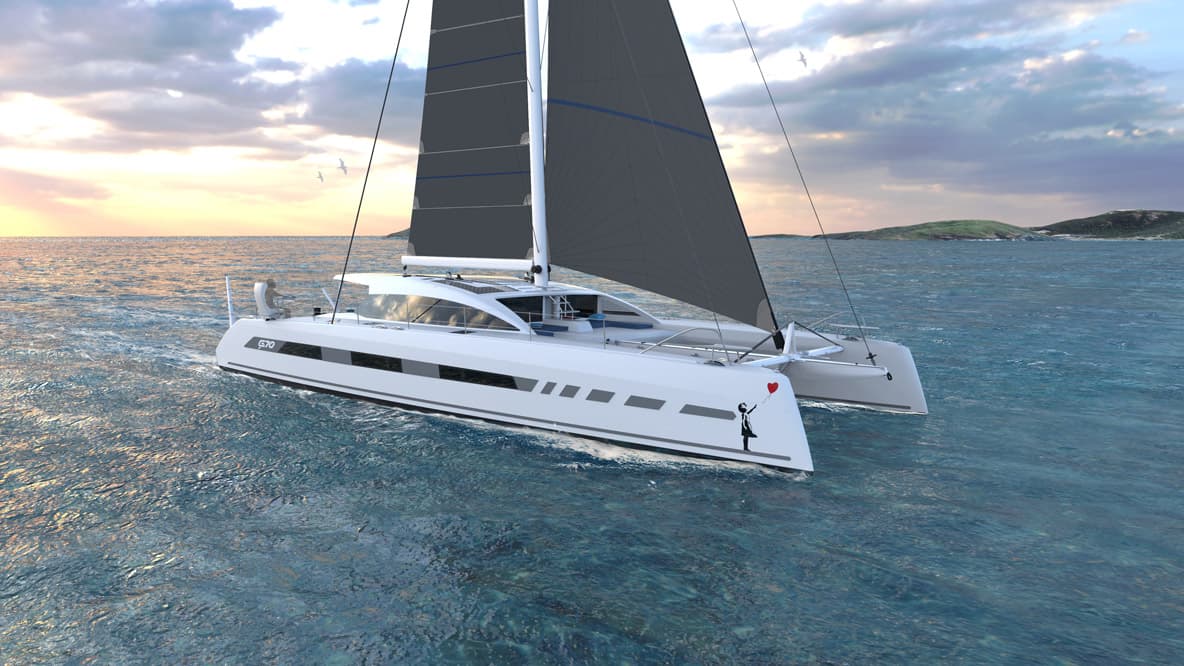
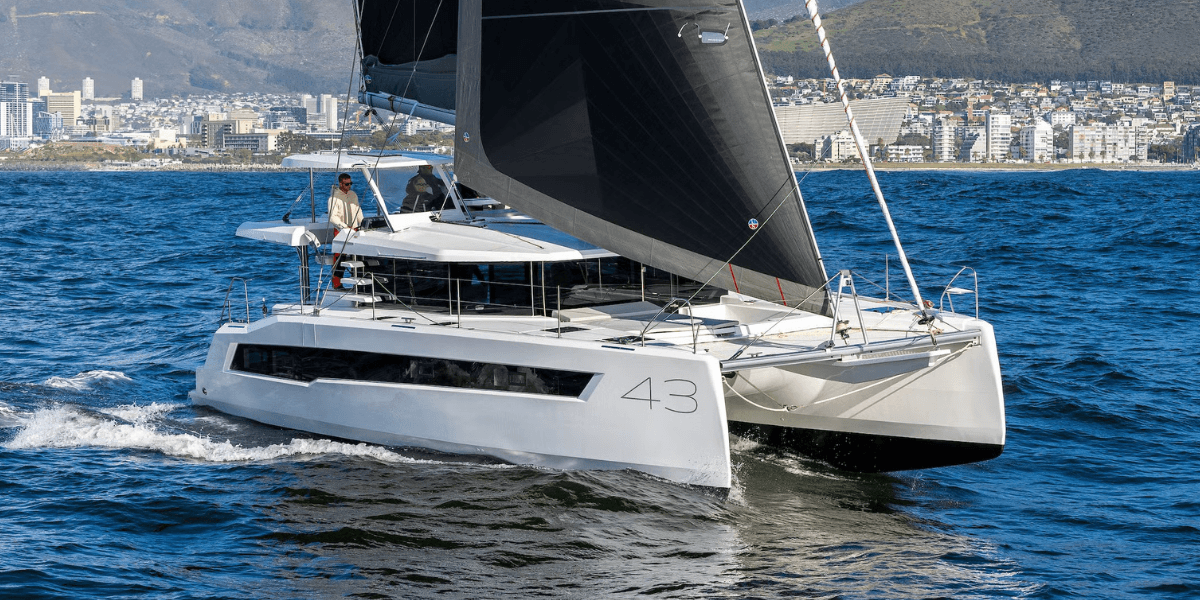
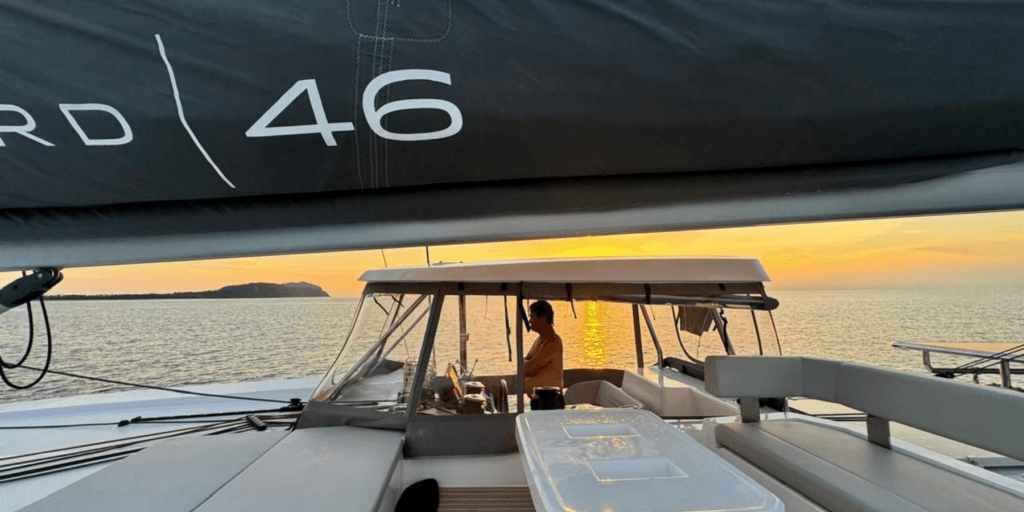
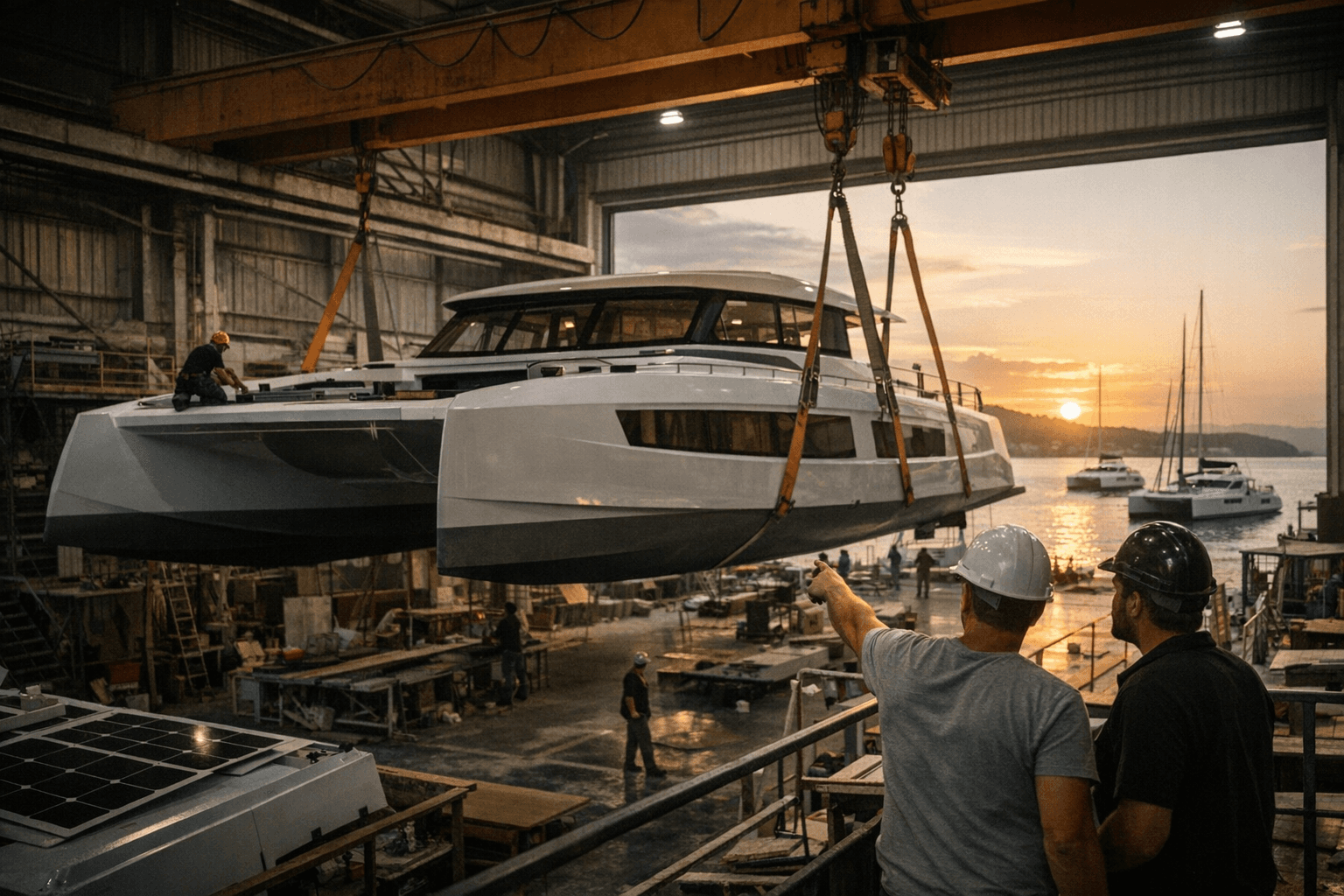
The multihull sector finished 2025 with a clear trend: production and design are spreading well beyond the traditional strongholds of France, South Africa and Australia. New builders in China, Tunisia, Poland, Vietnam, Thailand and the United States are bringing fresh approaches to both sail and power catamarans, prompting a fastening of innovation across materials, hull form and propulsion.
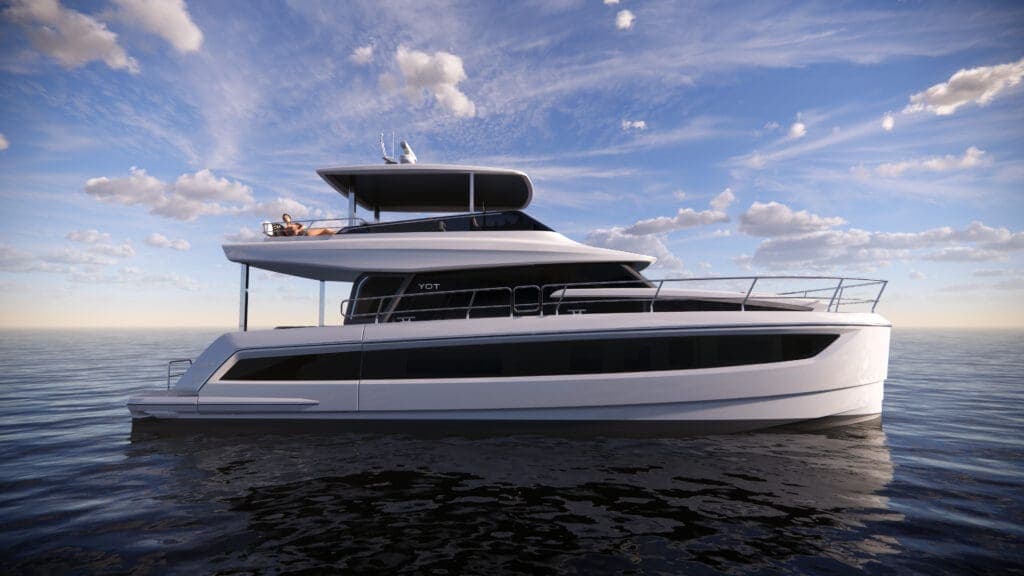
One standout example is the Wama 42 XL, a powercat built in Tunisia that illustrates the quality and ambition now emerging from locations previously overlooked by the market. Alongside that project, manufacturers are experimenting with a broad range of concepts - foiling and high-performance hull shapes, inflatable-sail systems, expedition-style explorer cats and hybrid-electric propulsion packages. These varied paths are producing models aimed at racers, weekend cruisers and long-range voyagers alike.
For buyers, brokers and operators the practical effects are immediate. Greater geographic diversity means more price points and a wider selection of mission-specific designs, from lightweight performance cats to heavy-duty explorer platforms. At the same time, new construction centers can complicate logistics: spare parts, warranty support and dealer networks are uneven, so builders’ aftersales capabilities are now a key purchasing consideration.
Verify builder certification, inspect sea-trial performance and confirm local support before committing to a purchase. For fleets and charter businesses, evaluate maintenance pathways and parts supply chains early; hybrid and electric packages will require different shore infrastructure and technical skills. For owners focused on sustainability, the broader market increases options for eco-conscious systems, but specification and lifecycle assessments remain essential to judge real-world environmental benefits.
The widening producer map also affects the racing and event calendar. Expect to see new designs entering regattas and coastal events, and regional builders sponsoring local series to showcase capabilities. That creates opportunities for sailors to test cutting-edge concepts at lower cost, but also raises the bar for skippers and crews adapting to novel handling and performance characteristics like foiling or hybrid power management.
The net effect: more choice and a faster innovation cycle across performance, seakeeping and environmental technologies. The community will benefit if buyers and operators pair enthusiasm for new designs with disciplined verification of build quality, service support and long-term logistics. Keep an eye on upcoming launches and class entries early in 2026 to see which of this year’s newcomers convert promise into sustained presence.
This article was produced by Prism’s automated news system from verified source data, official records, and press releases, then run through automated quality and moderation checks before publishing. The system is built and supervised by the people who set the standards it runs under. Read our full AI policy.
Did this article answer your question?