Global Surge in Catamaran Building Boosts Design Diversity
At this year’s Cannes Yachting Festival the surprise arrival of the Tunisian-built Wama 42 XL highlighted a broader shift: catamaran design and production are spreading far beyond traditional centers. For owners, buyers, and local builders this internationalization means more choices, fresh ideas, and new considerations for service, support, and resale.
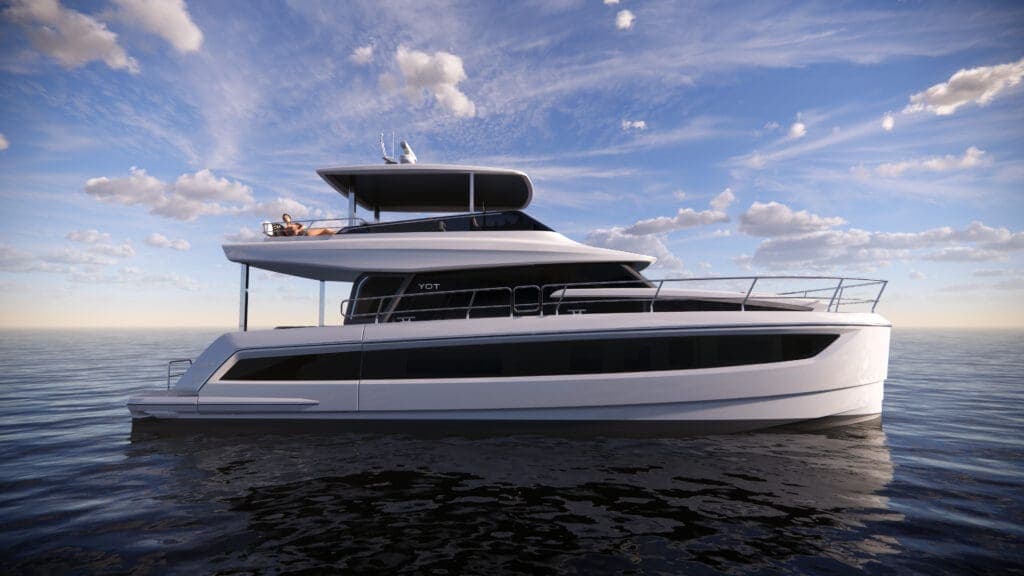
The Wama 42 XL, a powercat designed and built in Tunisia, was a standout at this year’s Cannes Yachting Festival. Well designed, well finished and noted for remarkable seakeeping qualities, the Wama embodied something more than a single impressive model: it illustrated the accelerating internationalization of multihull production.
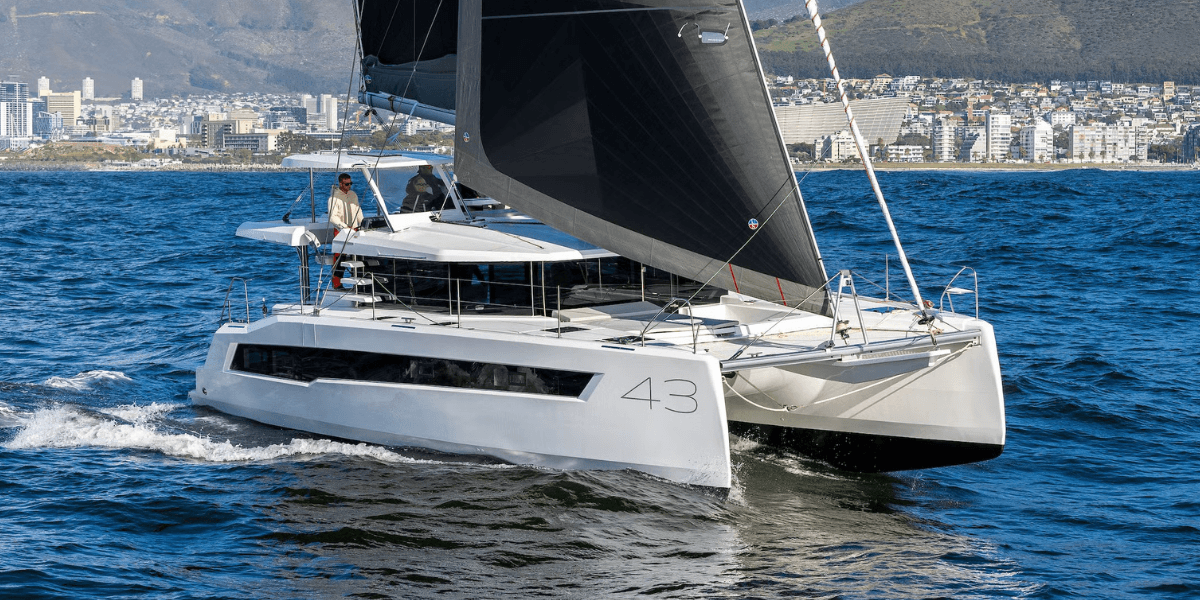
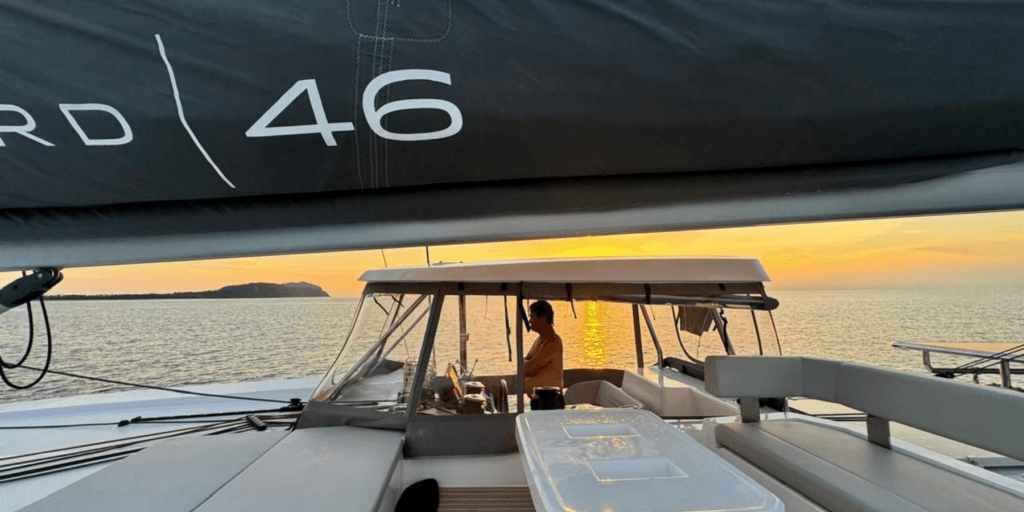
Where once France, South Africa and Australia dominated multihull construction, manufacturers and native brands have proliferated around the globe. From China to Tunisia, the United Kingdom to Argentina, Poland to Vietnam, Thailand to the United States, new builders are introducing fresh approaches to structure, materials and layout. Some established brands have relocated production in recent years; increasingly, however, genuinely homegrown yards are entering the market and bringing local design priorities to the broader multihull conversation.
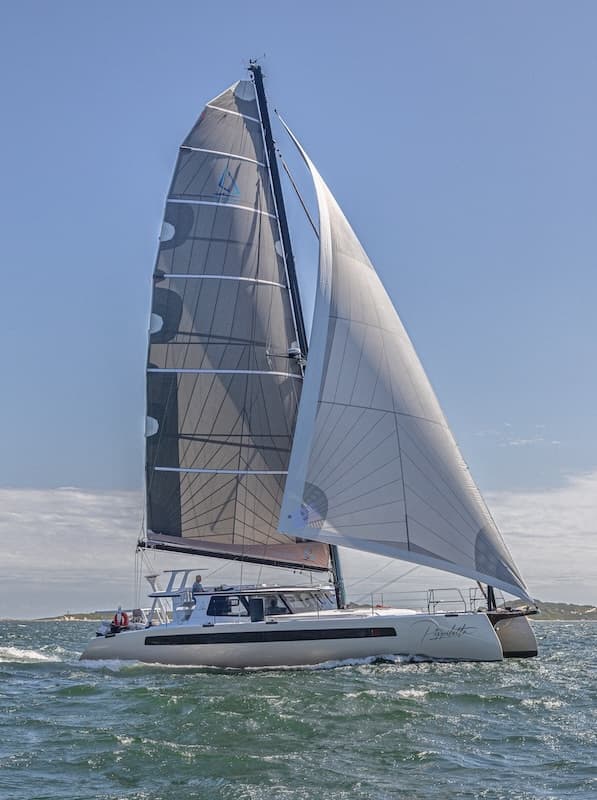
The result is a much wider spectrum of catamaran types. Traditional sailing multihulls still thrive, but buyers now see powercats, foiling cats, inflatable-sailed models, sporty dayboats, dedicated fishing platforms and yacht-style luxury multihulls. That diversity fuels innovation: builders experiment with new composites, different deck and cockpit ergonomics, and alternative propulsion systems. For the community, the payoff is tangible variety and options better matched to specific cruising grounds and budgets.
Practical implications follow quickly. More manufacturing locations can reduce lead times and shipping costs for local buyers, but the rise of new makers also raises questions about after-sales support and parts availability. Verify warranties and service networks before committing to an overseas-built craft. Insist on thorough sea trials and professional surveys to assess seakeeping, fit-and-finish and long-term maintenance needs. For owners considering resale, document maintenance and factory support channels to preserve value.

The trend also opens opportunities for regional economies and for events. Local boat shows and regattas can feature homegrown designs and attract global attention, while independent yards gain new markets for custom builds and refits. For sailors and powerboaters, that means more points of access to multihull ownership and more reasons to visit new ports and builders.
The Wama 42 XL’s reception in Cannes was not just about one unexpected builder; it was a signal that catamarans are now a truly international craft. Expect continued experimentation, a wider range of choices, and an evolving marketplace that rewards careful inspection, local support planning and a readiness to embrace novel solutions.
This article was produced by Prism’s automated news system from verified source data, official records, and press releases, then run through automated quality and moderation checks before publishing. The system is built and supervised by the people who set the standards it runs under. Read our full AI policy.
Did this article answer your question?