How to Choose the Right Catamaran for Your Needs
Practical, buyer-focused questions and tips to help prospective catamaran owners balance lifestyle, budget and offshore capability. The guide covers upfront and ongoing costs, size and layout choices, propulsion and sustainability options, safety and seakeeping priorities, dealer support, and how to run realistic sea trials.
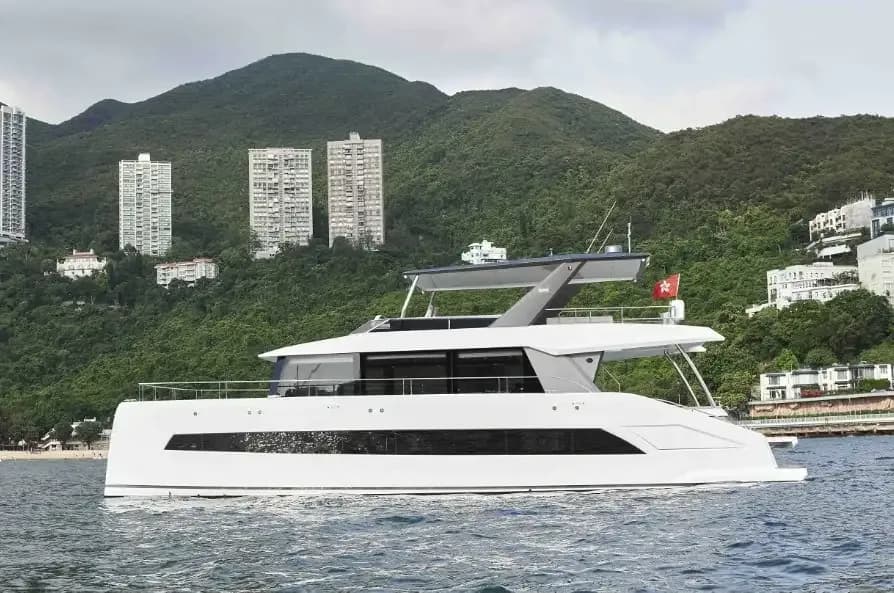
Picking a catamaran today requires more than measuring salon space and counting cabins. Start by assessing upfront and long-term costs so the purchase price sits alongside insurance, marina or berth fees, and ongoing maintenance. Twin-engine boats and twin systems provide redundancy but increase routine service and parts costs. Calculate annual running costs, ask dealers for typical service intervals and expected parts prices, and factor in berth availability and insurance premiums for your cruising area.
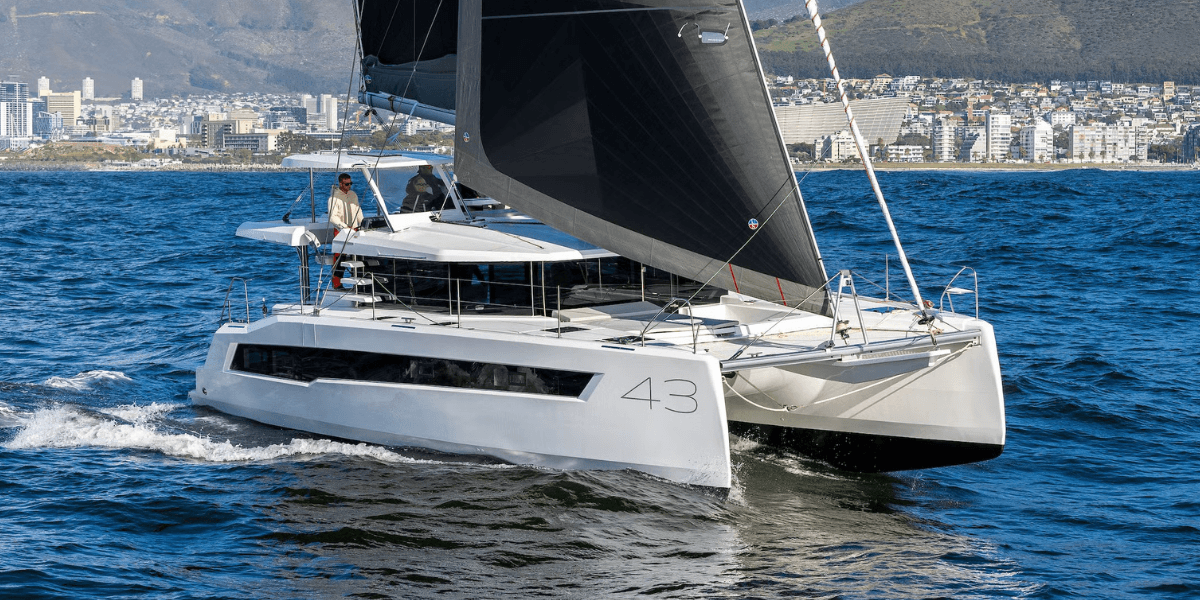
Decide the right size and layout for how you will use the boat. Number of cabins matters for guests and charter potential, but bridgedeck clearance and payload capacity matter for comfort and performance. Low bridgedeck clearance can mean slam and noise in steep seas; higher clearance reduces that risk but affects windage and deck access. Consider storage and payload: heavy cruising gear, water and fuel reduce performance and change handling, so verify rated payload and where weight will sit.
Propulsion and sustainability are now essential buying criteria. Check whether a model is hybrid or electric-ready, and verify battery bank capacity, inverter rating, alternator outputs, and generator type. Confirm shore-power arrangements and charging options in the ports you plan to use. Solar capacity is limited by available roof area: ask for installed panel wattage and realistic energy budgets for appliances such as refrigeration, watermakers and air-conditioning. Understand that electrification can reduce fuel costs and noise, but requires realistic expectations about range, charging infrastructure and maintenance.
Prioritize safety features and seakeeping characteristics tailored to your cruising area. Hull shape, bridgedeck clearance, rudder protection and sailplan affect offshore capability. Confirm heavy-weather options such as storm sails, sea anchors and accessible liferaft stowage. Inspect deck hardware, jacklines and handholds for practical use at sea and verify the electrical and bilge systems operate under load.

Confirm the dealer and support network before committing. Availability of spares, commonality of engine brands and proximity of qualified service centers affect downtime and resale value. Ask about recommended spare parts to carry and the typical lead times for critical components in your cruising regions.
Plan sea trials that replicate real conditions rather than brief sheltered harbour runs. Test motoring at a range of speeds, single-engine operation, tacking and gybing in chop, and system loads such as refrigeration, watermaker and charging under realistic power draw. Take time to evaluate noise, vibration and motion at anchor and under way.
Balance lifestyle goals, budget and offshore capability by creating a prioritized checklist and confirming support and spares availability. A well-planned purchase and a thorough sea trial will reveal whether a given catamaran matches both your cruising ambitions and everyday realities.
This article was produced by Prism’s automated news system from verified source data, official records, and press releases, then run through automated quality and moderation checks before publishing. The system is built and supervised by the people who set the standards it runs under. Read our full AI policy.
Did this article answer your question?