INCAT Catamaran China Zorrilla Conducts High-Speed Sea Trials Around Hobart
The INCAT catamaran China Zorrilla is conducting high-speed sea trials around Hobart, posing hazards to small craft and rowing shells; mariners must keep clear and expect sudden maneuvers.
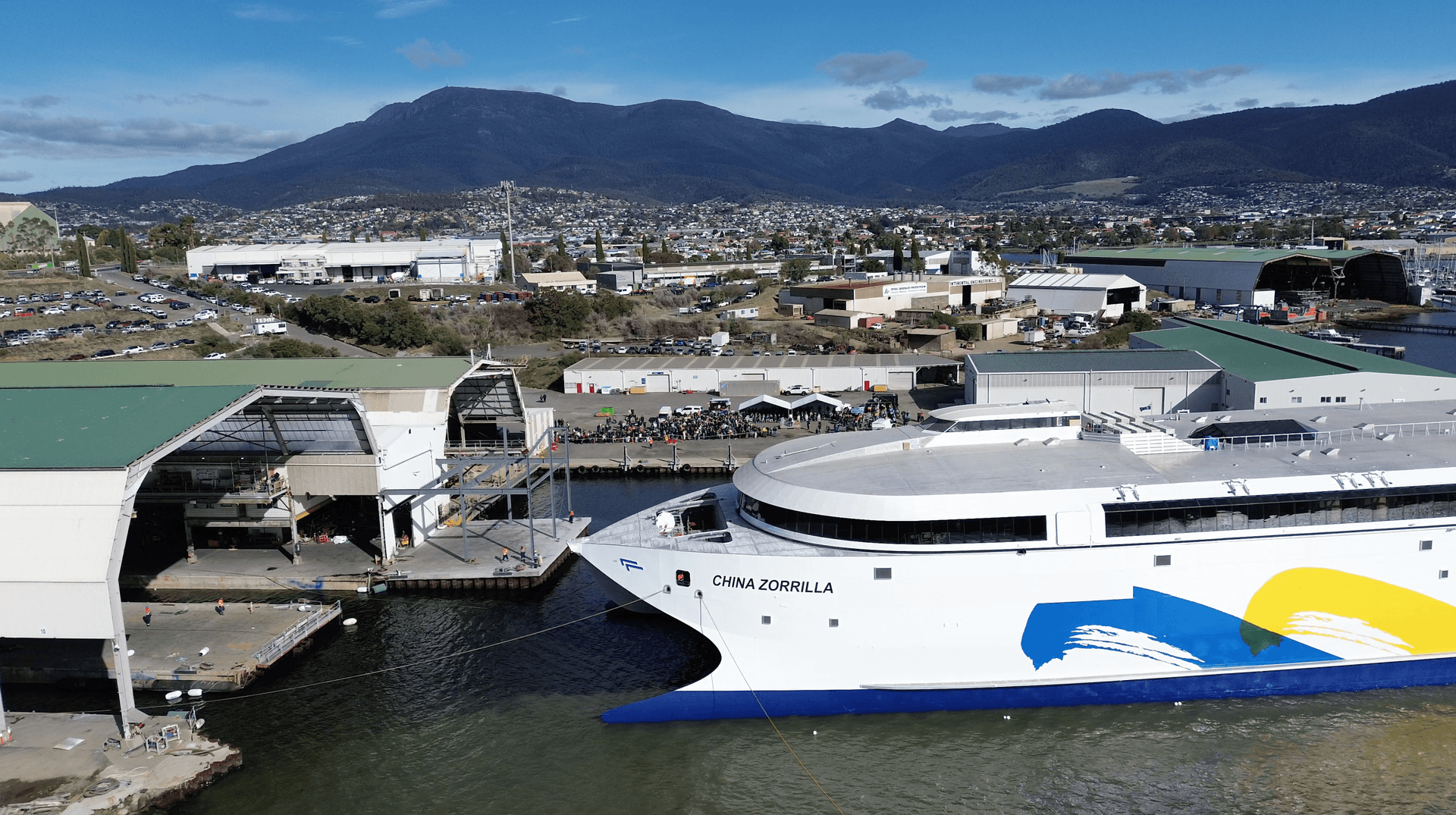
The high-speed INCAT catamaran China Zorrilla is conducting sea trials in the River Derwent, Storm Bay and Frederick Henry Bay, operating from Prince of Wales Bay in the Port of Hobart and using varying locations depending on weather. Trials began 16 January and will continue through 26 February 2026, creating a dynamic area of activity that small-craft operators, rowing clubs and personal watercraft users need to factor into their plans.
Local skippers should note that the vessel routinely reaches speeds in excess of 25 knots during trial runs. Mariners are requested to keep at least 300 metres clear of the catamaran while it is undertaking trials. This buffer is especially important for rowing shells and PWC because interactions can develop rapidly into dangerous situations if a high-speed vessel suddenly changes course or adjusts speed.
A particular hazard comes from the vessel’s jet propulsion. The jet units may start at any time and can transfer high volumes of water, producing unexpected currents and aeration around the hulls even when the vessel is alongside. Under no circumstances should any vessel transit between the hulls of the China Zorrilla. The vessel will also generate wash reflective of its size and speed, which can swamp or destabilise small boats and surf shells that get too close.
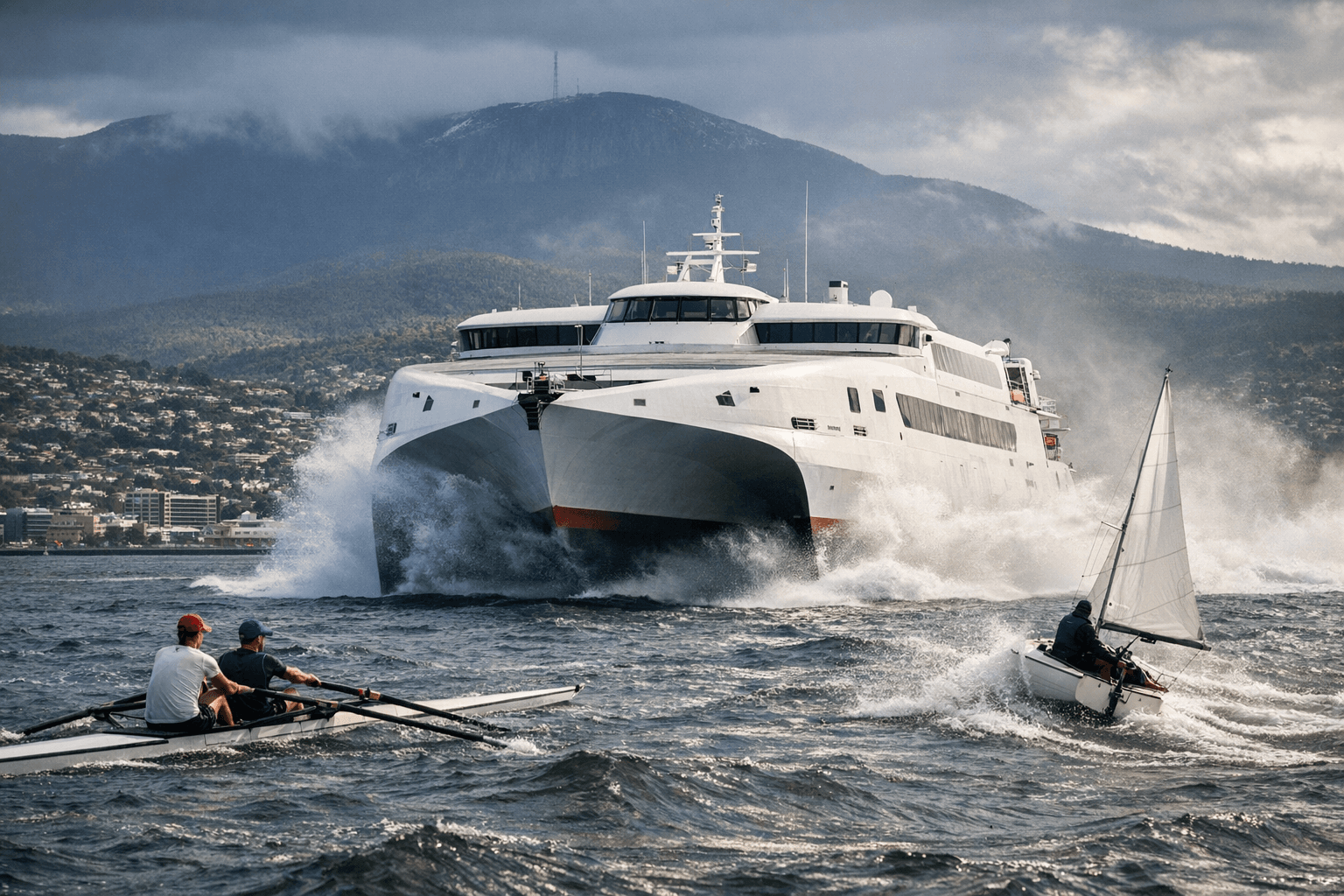
For the Hobart community this matters on several fronts. Rowing clubs scheduling early-morning outings on the Derwent should plan alternative waterways or adjust launch times. PWC renters and recreational sailors need to maintain vigilant lookouts and steer clear of trial areas. Commercial operators, charter skippers and ferry crews should account for potential wake and altered local currents when plotting courses near Prince of Wales Bay, Storm Bay and Frederick Henry Bay. Race committees and regatta organisers should factor the trials into safety briefings and course selection until the trials finish.
Exact trial locations will vary day to day with weather, so expect movement across the trial area rather than a fixed testing lane. Mariners who encounter the China Zorrilla should prioritize distance and avoid attempting to pass close astern or between the hulls. Visual awareness and conservative seamanship are the best immediate protections.
The trials are scheduled to run until 26 February 2026. In the short term, adjust local boating, rowing and training plans to avoid the trial windows and areas; afterward, normal traffic patterns should resume once testing concludes.
This article was produced by Prism’s automated news system from verified source data, official records, and press releases, then run through automated quality and moderation checks before publishing. The system is built and supervised by the people who set the standards it runs under. Read our full AI policy.
Did this article answer your question?