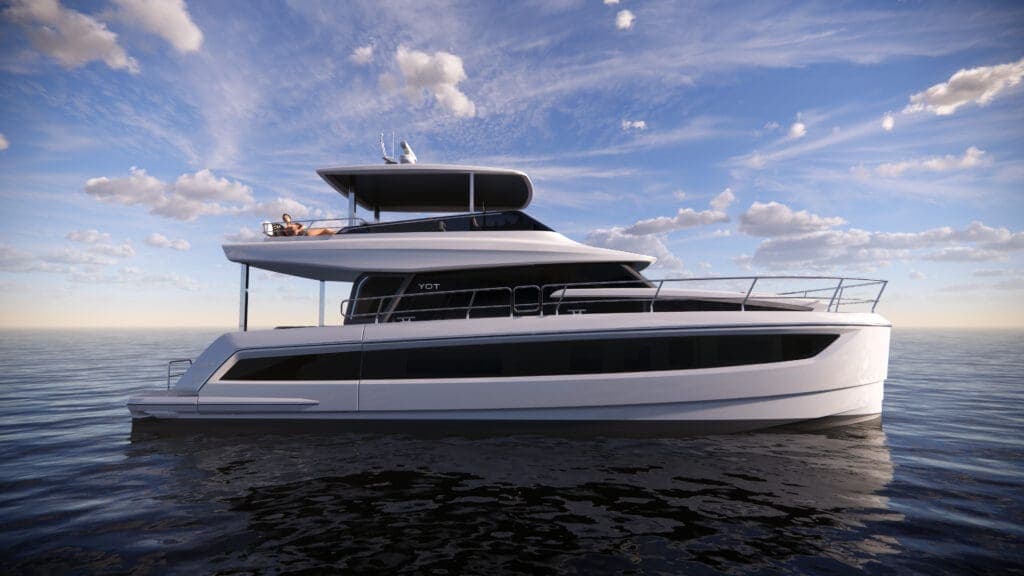
New catamaran guide covers stability, sailing techniques, and boating regulations
A new catamaran guide shows why multihulls are winning over cruisers: steadier ride, shallow draft, and room to live aboard. It also folds in USCG-based safety and state rules.

Why this new catamaran guide matters now
A fresh catamaran guide is hitting the exact pressure point many buyers and charter guests are facing: whether the jump from a monohull to a multihull is really worth it. The answer the guide pushes is practical, not romantic. It treats catamarans as a serious boating choice with real advantages in stability, space, and shallow draft, while also making clear that handling a multihull means learning a different set of sailing techniques and operating rules.
That combination matters because the boat is only part of the decision. The guide ties performance to safety and compliance, which gives prospective owners a much sharper way to judge whether a catamaran fits the way they want to cruise, train, or charter.
What makes catamarans such a strong draw
The guide puts the appeal of catamarans in plain terms: exceptional stability, spacious deck layouts, shallow draft, and comfort in rough water. Those are the features that keep multihulls at the center of so many cruiser conversations, especially among families and newer boaters who want a steadier platform underway.
That stability is more than a comfort perk. It changes the way people move around the boat, eat, rest, and handle everyday life at anchor or underway. The shallow draft also opens up cruising ground that can feel out of reach in a deeper monohull, which is a major practical advantage for charter guests and long-distance cruisers looking for flexibility in where they can go.
The guide also reflects a bigger trend: more cruisers are choosing catamarans for long-term voyaging. That points to a market shift toward boats that combine comfort, efficiency, and a liveaboard-friendly footprint, rather than simply chasing speed or classic single-hull feel.
Why handling a catamaran is a different skill set
One of the guide’s most useful points is that catamarans handle differently from single-hull sailboats. That sounds obvious until you are actually at the helm, where the twin-hull setup changes how the boat responds, accelerates, and carries itself in different conditions.
The value of the guide is that it does not stop at the headline benefits. It says it will cover design characteristics and sailing techniques unique to catamarans, which is where the real learning begins for anyone moving beyond casual day sailing. If you are stepping up to ownership or preparing for more serious voyaging, understanding multihull handling is not optional. It is the difference between simply liking the layout and being able to skipper the boat confidently.
For readers used to monohulls, that training value may be the biggest takeaway. A catamaran’s strengths can only be used well if the operator understands the boat’s specific behavior and the practical habits that come with it.
Performance tradeoffs worth understanding before you buy
The guide’s strength is that it frames catamaran performance as a set of tradeoffs, not a sales pitch. The core advantages are clear: steadiness, usable deck space, and a more forgiving feel in rougher water. But those strengths need to be weighed against the fact that a multihull asks for different judgment from the skipper.
That is why a guide built around layout, handling, and operating basics is especially useful. It helps readers think through how a catamaran performs as a cruising platform, not just how it looks at the dock. For anyone comparing a multihull to a monohull, that practical lens matters more than brochure language.
The real-world question is whether the comfort and confidence a catamaran offers match the way you actually sail. For families, charter guests, and long-distance cruisers, the answer often comes back yes because the boat’s shape supports a steadier onboard experience. For others, the learning curve and different handling style may matter just as much as the extra space.
Safety, licensing, and the rulebook
The guide is also positioned as a licensing resource, and that gives it a sharper edge than a standard overview. It says its information is based on USCG safety standards as well as Florida and California boating regulations, which turns the piece into a compliance primer as much as a sailing guide.
That regulatory framing is important because the jump to a catamaran is not only a matter of taste. It is also about knowing what safety expectations apply and how operating rules shape the way you prepare to skipper a multihull. For readers planning to own, charter, or regularly operate one, that makes the guide immediately useful in the real world.
By tying technique to regulation, the guide gives would-be operators a more complete picture of readiness. It is not just asking whether you like the boat. It is asking whether you understand how to run it safely and legally in the environments where you plan to use it.
Who gets the most from this guide
This is the kind of resource that will help three groups most: future catamaran owners, charter guests trying to decide whether multihulls suit them, and boaters moving up from day sailing to more serious cruising. Each group is wrestling with a different part of the same question, and the guide addresses all three by combining handling, performance, and rule-based guidance.
It is especially valuable for readers who already know they like the idea of a catamaran but want a clearer sense of what that choice means in practice. The guide does not treat multihulls as novelty boats. It treats them as a serious platform for stability, space, shallow-water access, and long-term voyaging, while reminding readers that the best multihull experience starts with proper training and a firm grip on the regulations that govern it.
For anyone deciding whether the switch from a monohull is worth making, that is the right place to begin.
This article was produced by Prism’s automated news system from verified source data, official records, and press releases, then run through automated quality and moderation checks before publishing. The system is built and supervised by the people who set the standards it runs under. Read our full AI policy.
Did this article answer your question?