Palm Pleasure 2 crosses the Atlantic as a family story
Palm Pleasure 2 turns an Atlantic delivery into a seamanship lesson, with Aurore Hernandez learning watchkeeping, logs and judgment beside her father.
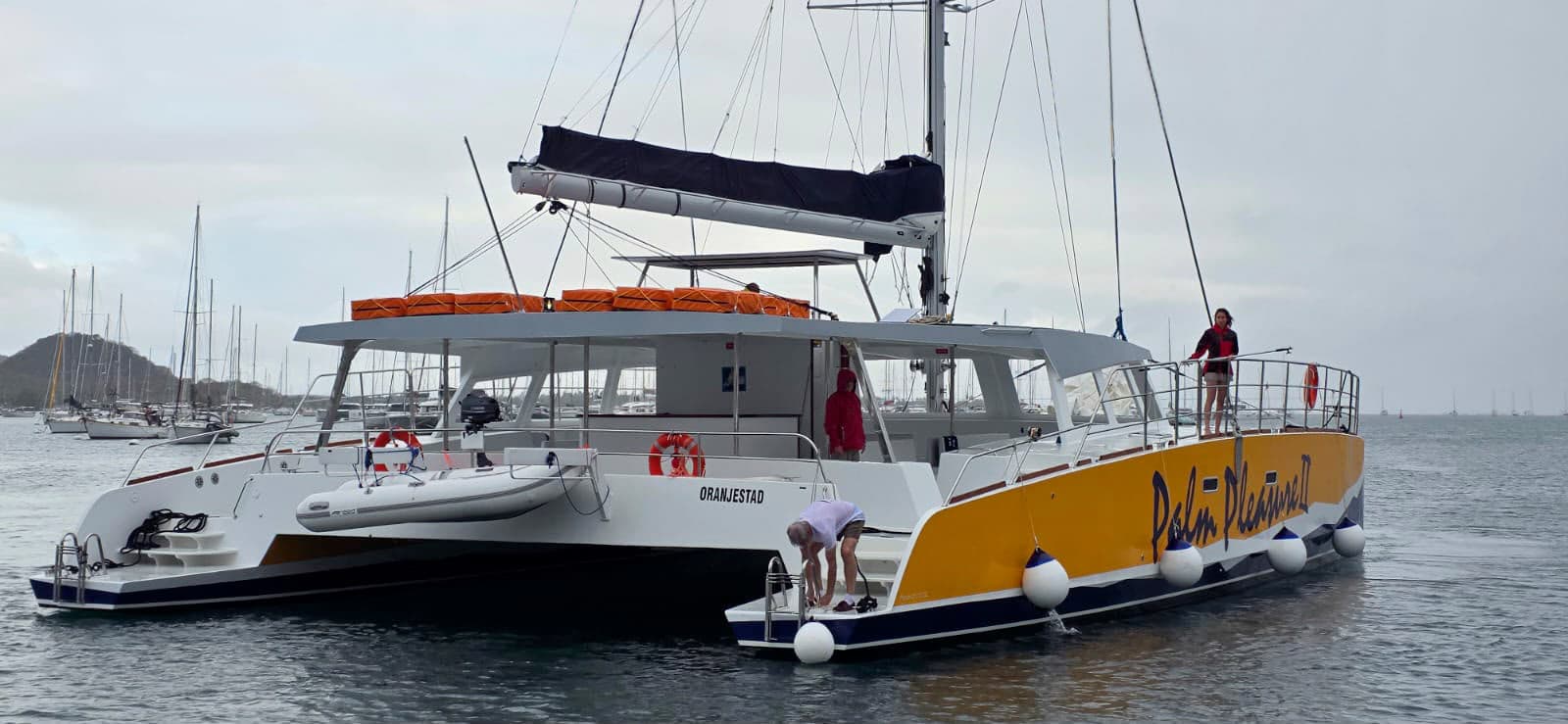
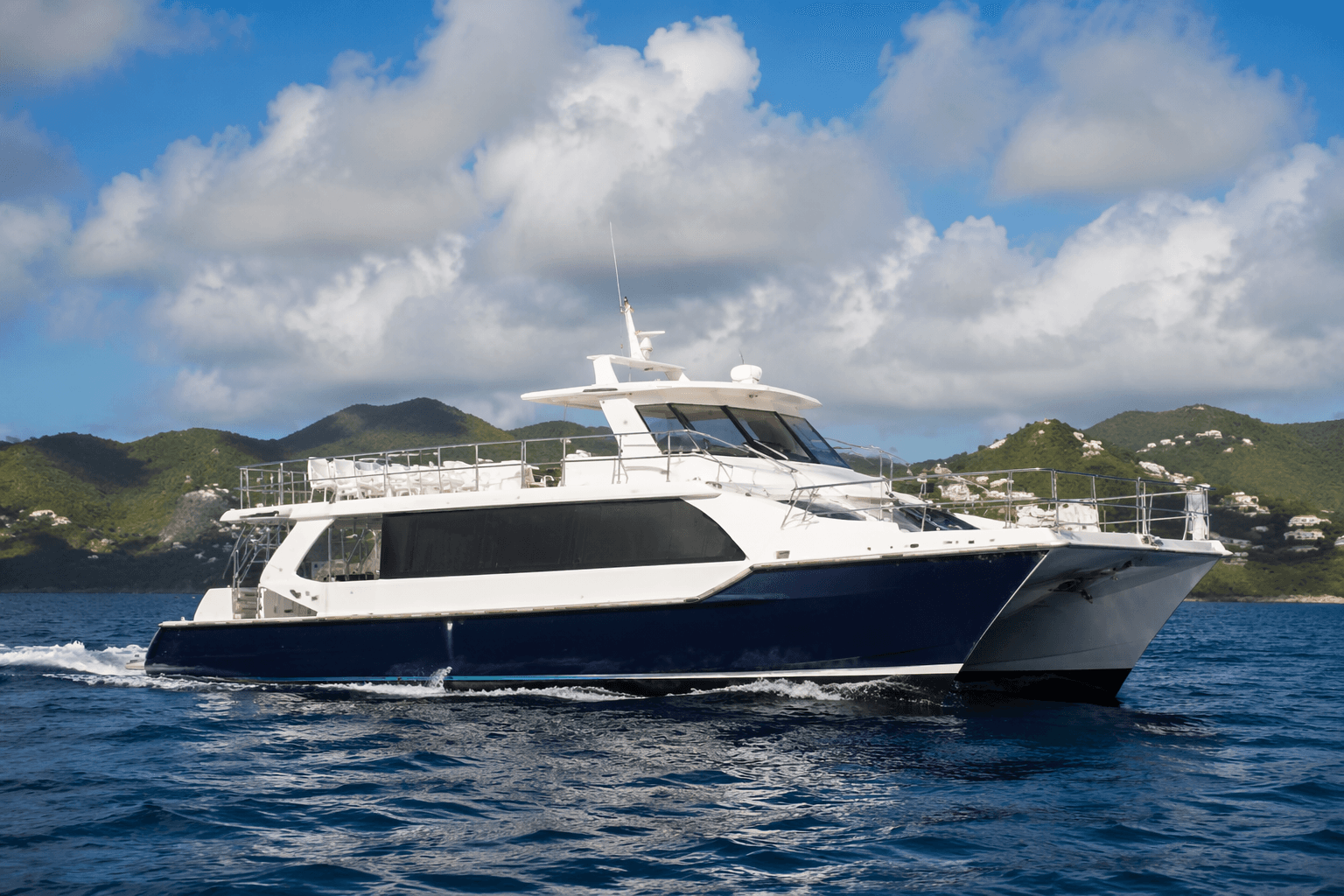
Palm Pleasure 2 is crossing the Atlantic as more than a delivery. The Punch 21.10 DC is moving from Vila Real de Santo António, Portugal, to Aruba with Aurore Hernandez aboard, and the voyage is doubling as a working classroom in navigation, fatigue management and shared responsibility. What makes it compelling is not the miles alone, but the way an ocean crossing becomes a lesson in how multihull knowledge is handed down.
A delivery that teaches
Aurore’s presence gives the trip a second layer of meaning. She says she first crossed the Atlantic at five years old, and now, thirty years later, she is back on the same broad water with her father, Christian Hernandez, with a more deliberate understanding of what it means to learn from someone who has lived seamanship for decades. That shift matters because the story is not framed as a bucket-list passage, but as a real exchange of judgment, routine and memory.
The lessons are practical, not sentimental. Christian Hernandez talks through the noon position fix, the value of a logbook and the discipline of recording what happened each day, while Aurore’s diary-like reflections capture the way stars, wind and sea conditions become part of a mariner’s vocabulary. On a long crossing, that kind of transmission is as important as speed or route choice, because it turns experience into repeatable habit.
The people aboard the Punch 21.10 DC
The crew composition reinforces that sense of purpose. Alongside Aurore and Christian Hernandez are the captain, one of the Punch designers, the catamaran’s rigger-sailmaker and a journalist, a compact team that fits the reality of a delivery passage rather than a leisure cruise. Everyone aboard has a working role, and that makes the boat feel like a live demonstration of how a modern multihull is handled when it is being moved, tested and observed at sea.
That broader family lineage gives the voyage depth. Christian Hernandez founded Multicap Caraïbes and later Multicat Algarve, and Multihulls World says his Multicap Caraïbes yard built dozens of plywood-epoxy catamarans between 1987 and 2010. The Punch line itself was later revived with designs from Philippe Harlé and then Alain Mortain and Yanis Mavrikios, which places Palm Pleasure 2 inside a longer arc of multihull development rather than a single one-off commission.
Multicat Algarve’s current Punch range includes the Punch 1270, 1370, 1510 and 1710, and that revived family helps explain why the 21.10 Day Charter matters. This is not just an isolated boat crossing the ocean. It is part of a broader return of a recognizable catamaran concept into a modern working market.
What the crossing is showing underway
The first leg to the Canary Islands is where the story becomes operational. The boat sailed mostly under sail power in about 20 knots of northerly wind, spending time on starboard tack and even wing-on-wing, with an observed average speed of 8.5 knots and peaks close to 16 knots while surfing. Those numbers matter because they show the boat doing what a delivery catamaran should do: hold steady pace, make efficient miles and keep enough reserve to surf when conditions line up.
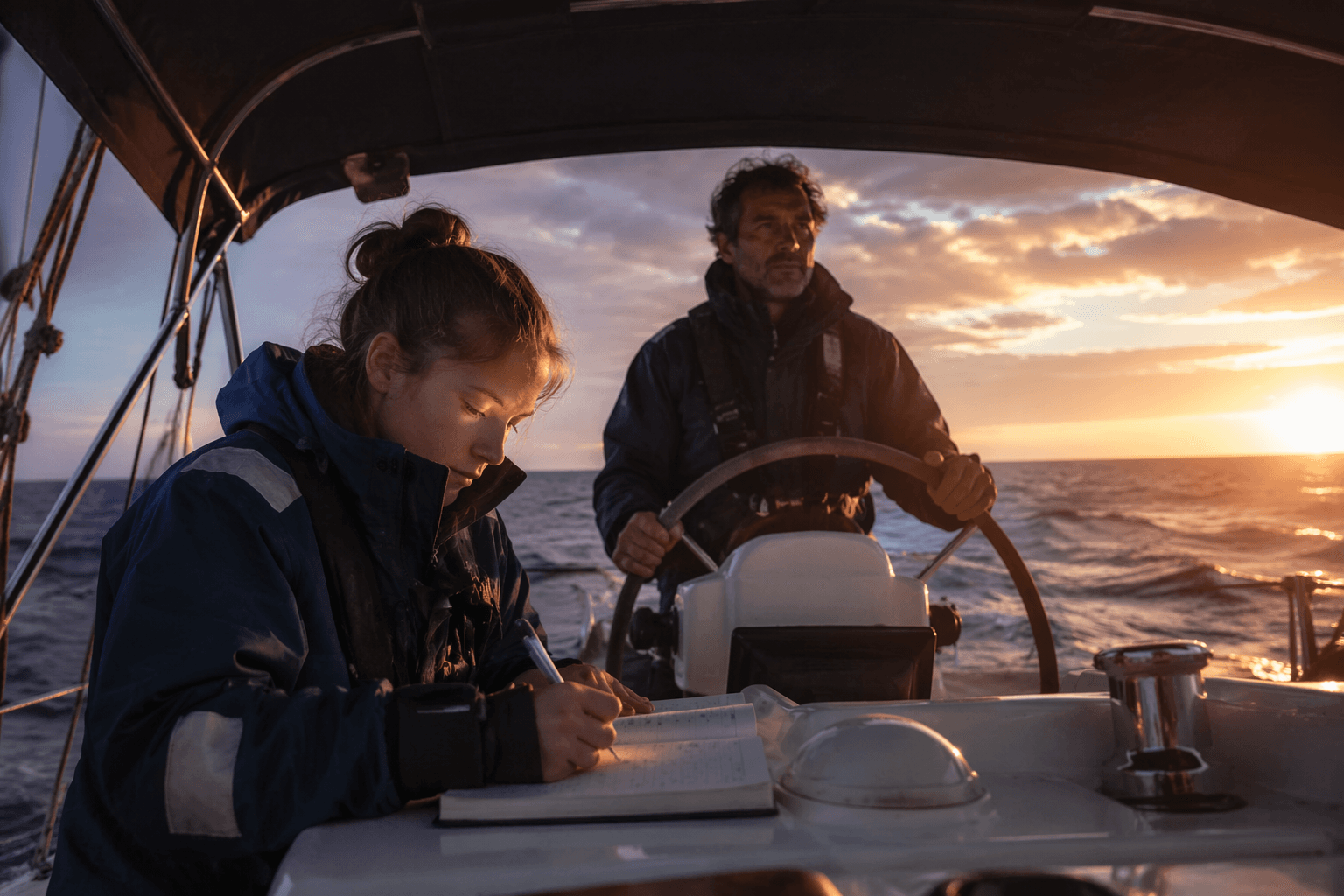
The rhythm aboard is just as revealing as the numbers. The crew eats, stands watches, takes the occasional deck shower when the sea is calm and tries to fish when conditions allow. Dolphins show up alongside the boat and everyone abandons their plates to watch, a reminder that even on a serious delivery, the ocean still sets the agenda.
There is also the practical reality of mixed propulsion. When the wind softens, engine-assisted sailing becomes part of the passage routine and the boat settles into a steadier seven to eight knots. That matters for anyone interested in multihull passagemaking, because it shows how a working catamaran balances sail power, comfort and timetable management rather than pretending every mile is a purist sailing exercise.
Around midnight on Monday, April 27, the crew reached Las Palmas de Gran Canaria, Spain, where a technical stop of a few days was planned for final adjustments and reprovisioning. The next leg was expected to take about two weeks at sea before arrival in Le Marin, Martinique, so the crossing is unfolding in stages, with each stop serving the next stretch of ocean.
Why Aruba matters to the story
The destination gives the delivery commercial weight. Le Figaro Nautisme reported that the modernized Punch 21.10 Day Charter launched on April 2 in southern Portugal was built in CP epoxy at the client’s request and designed for professional tourist use, with capacity for up to 100 passengers. That points to a boat conceived not just for transport, but for repetitive daily service where circulation, stability, ergonomics, comfort and safety all have to work together.
Aruba makes sense as a final home for that kind of platform. The island’s tourism promotion emphasizes catamaran tours, private sailing charters and trade-wind conditions that support sailing and snorkeling trips, and its small size, just over 108,000 people, makes the arrival of a large charter catamaran especially relevant to local marine tourism. Sitting about 29 km north of the Venezuelan peninsula, it is a compact but active charter market where a boat like Palm Pleasure 2 can be put to work quickly and visibly.
A family story built on seamanship
What gives Palm Pleasure 2 staying power is the way the voyage connects old knowledge to new use. A father explains the noon fix, the logbook and the habits that keep a passage honest; a daughter sees the same sea with older eyes; a working catamaran proves that it can sail efficiently, handle watches and arrive ready for service. That is the real classroom here, and it is why this Atlantic crossing reads less like a travel tale and more like a living lesson in how multihull legacy is carried offshore, one decision and one watch at a time.
This article was produced by Prism’s automated news system from verified source data, official records, and press releases, then run through automated quality and moderation checks before publishing. The system is built and supervised by the people who set the standards it runs under. Read our full AI policy.
Know something we missed? Have a correction or additional information?
Submit a Tip