Practical trimming and safety tips for modern cruising catamarans
Practical handling and safety techniques for owners moving from monohulls to performance cruising cats.
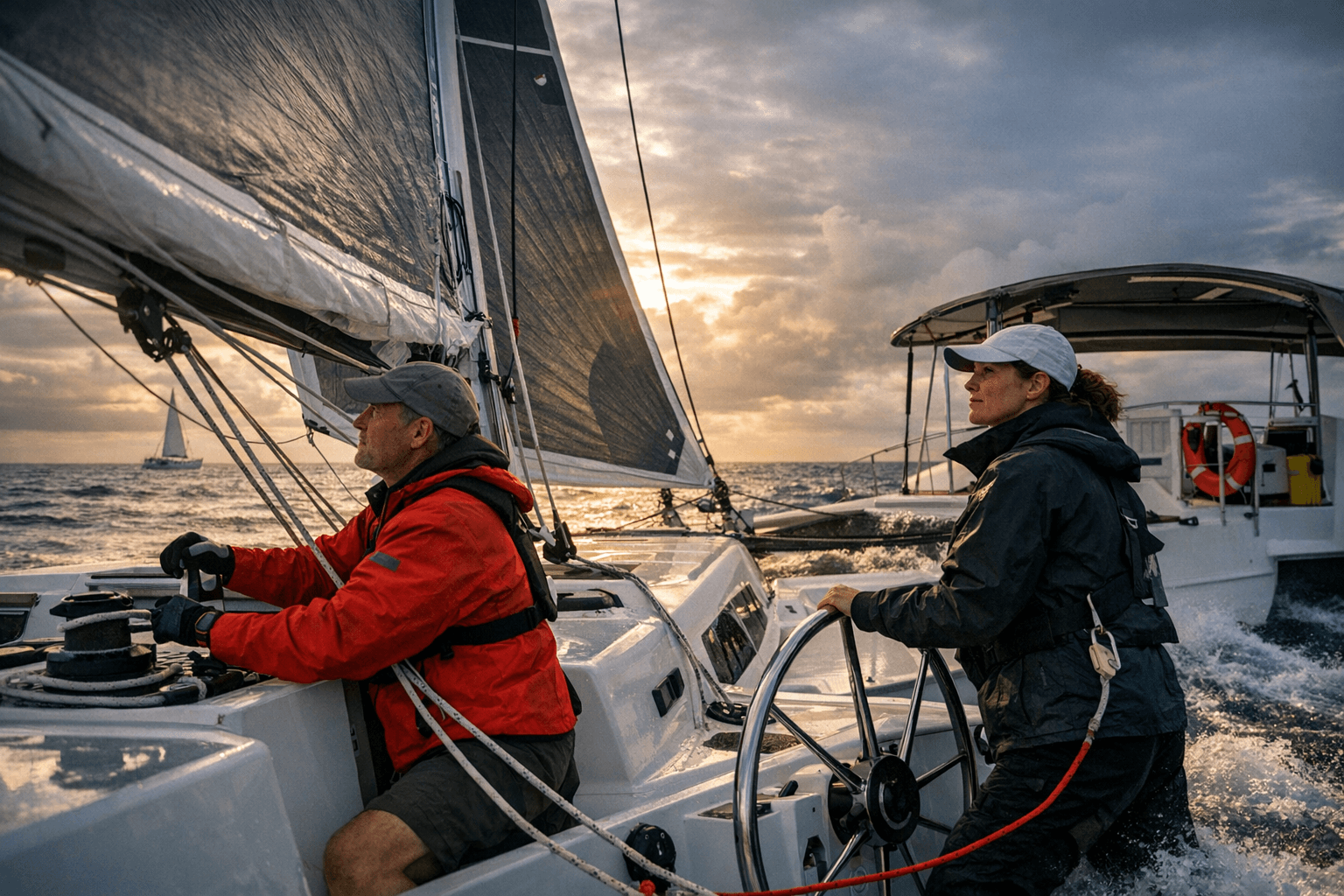
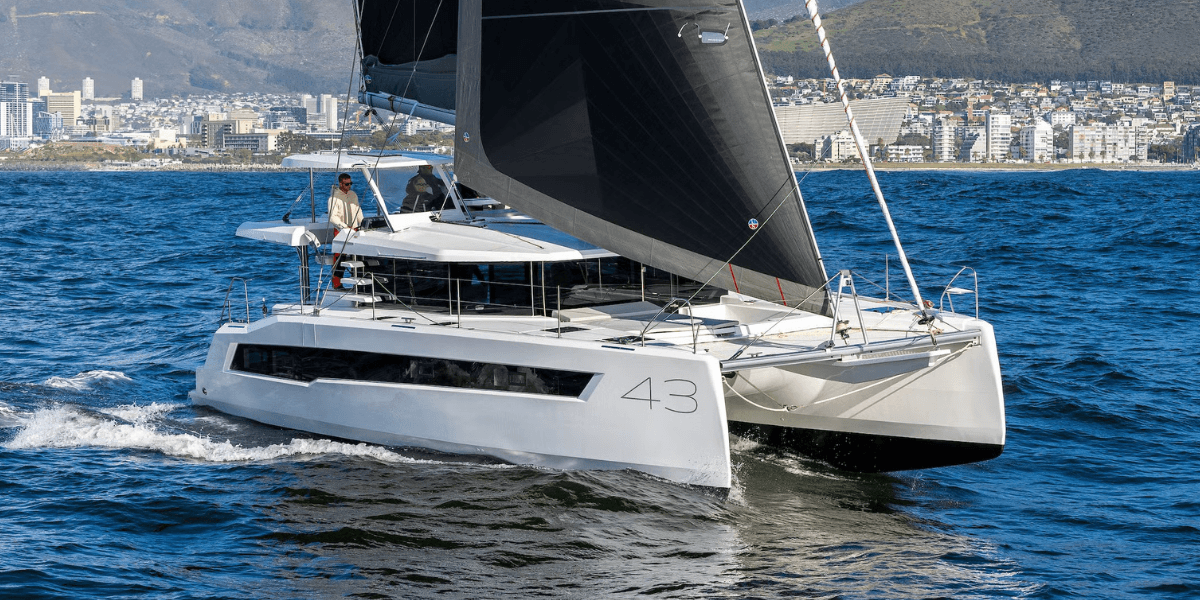
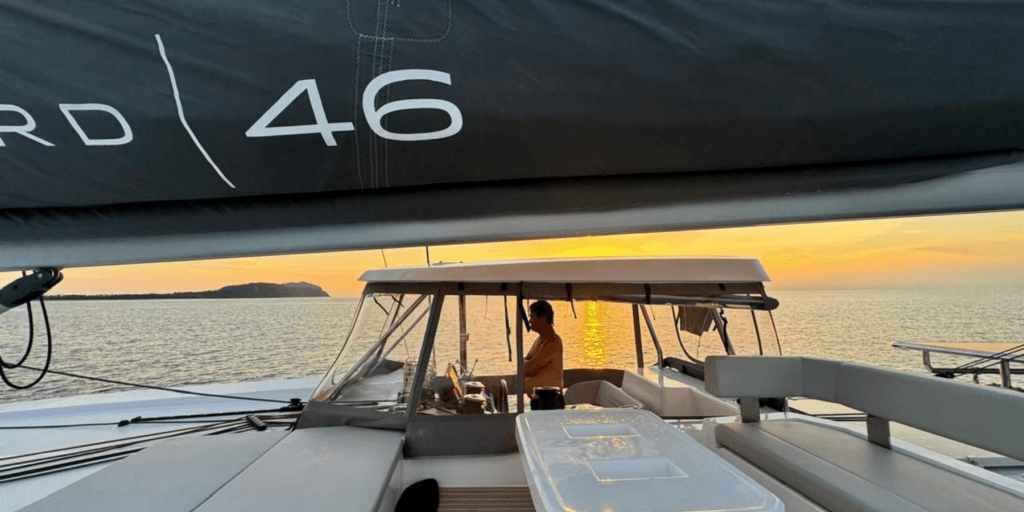
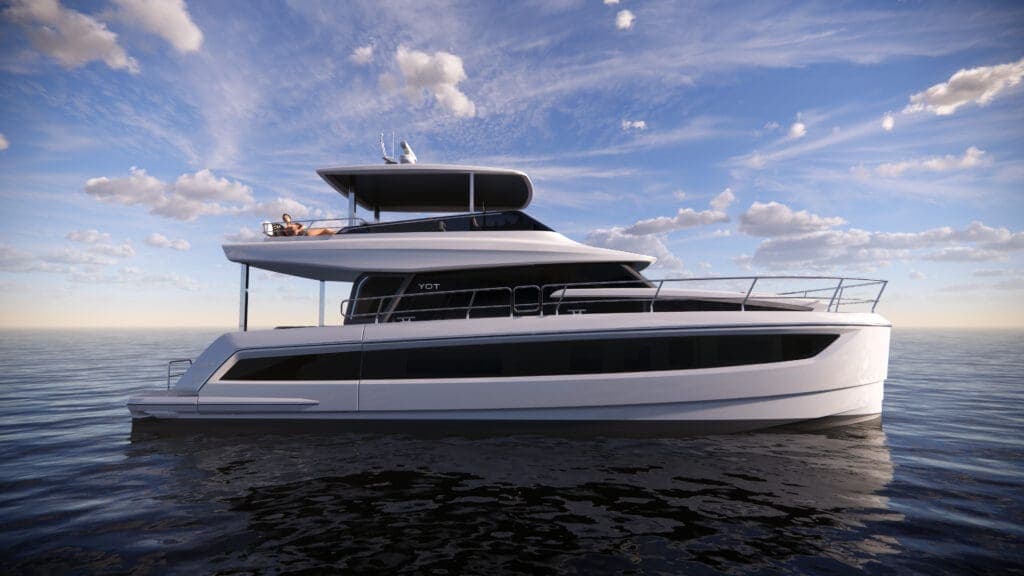
Modern cruising catamarans offer speed and space, but they demand different techniques than monohulls. This piece distills hands-on handling, trimming, depowering and anchoring practices that turn a powerful cruising cat into a manageable, fast yacht for owner-operators making the transition.
First, decide your exit strategy before a gust hits. Pre‑decide whether to head up and feather or bear away and ride the gust; that split-second choice avoids panic trimming and reduces shock loads. Use the traveller and leech controls proactively and reef early. Early reefing prevents sudden jumps in load and keeps the boat in a controllable wind range instead of chasing apparent-wind increases.
Sail trim and board use are central to cat handling. Treat daggerboards or centreboards like an additional sail: drop them to increase lateral grip and push them up partially on reaches to act like a reef and depower the craft. Partial board retraction dramatically reduces lift and heeling moment without killing speed. On reaches where apparent wind shifts forward, consider easing the leech and lowering the traveller to spill power, and use boards to reduce the effective lateral plane rather than relying on sail twist alone. Watch out for the so-called death zone on broad reaches, where apparent-wind angles and boat speed combine to spike loads; reduce sail area or board area before you enter it.
Manoeuvres need cat-specific timing. Build speed before tacks so both hulls carry flow across the rudders. Hold the mainsheet during the turn to keep rudder flow and reduce the chance of rudder stall, and time the jib release to push the bows down rather than braking them skyward. On gybes keep control of the boom and trim to avoid asymmetric loading on crossbeams and rigging.
Maintenance is not optional on high-performance cats. Regularly inspect mast bases, chainplates, spreaders, diamond stays and crossbeams for wear or corrosion. Autopilots face far higher loads on catamarans at speed; check drive units and backup steering plans before offshore legs and carry spares where practical.
Anchoring and mooring require wide-beam thinking. Increase anchor size and lengthen bridles to reduce swing and shock in gusts. Rig bridles so load is distributed, and when rafting or med-moor, run two bow lines, one to each hull, rather than a single line through both hulls to prevent asymmetric loading and awkward yaw.
The takeaway? Practice these trims and drills in light conditions until they become muscle memory, inspect the structure that takes the loads, and carry robust anchoring kit and redundancy. Our two cents? Treat daggerboards like a power control, reef early, and run two bow lines at the dock, small habits that keep big cats fast, safe and grin-inducing on passage.
This article was produced by Prism’s automated news system from verified source data, official records, and press releases, then run through automated quality and moderation checks before publishing. The system is built and supervised by the people who set the standards it runs under. Read our full AI policy.
Did this article answer your question?