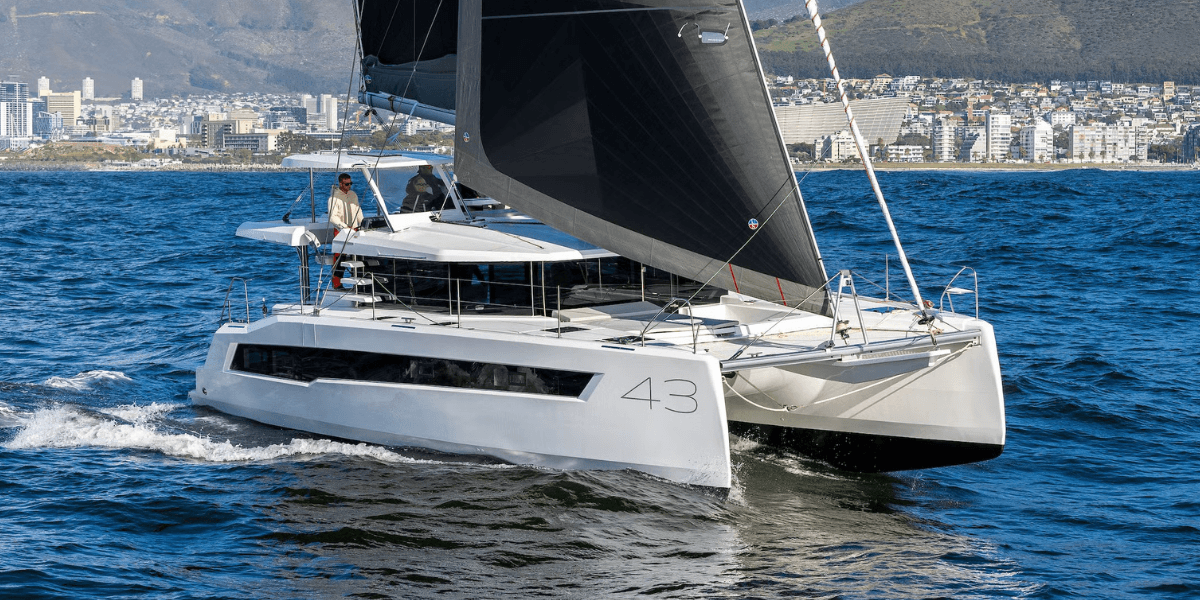
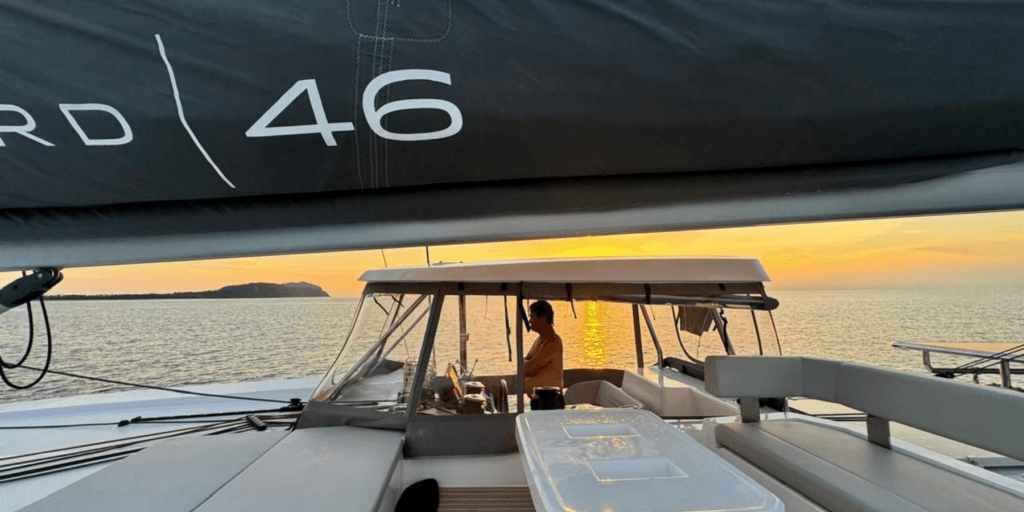
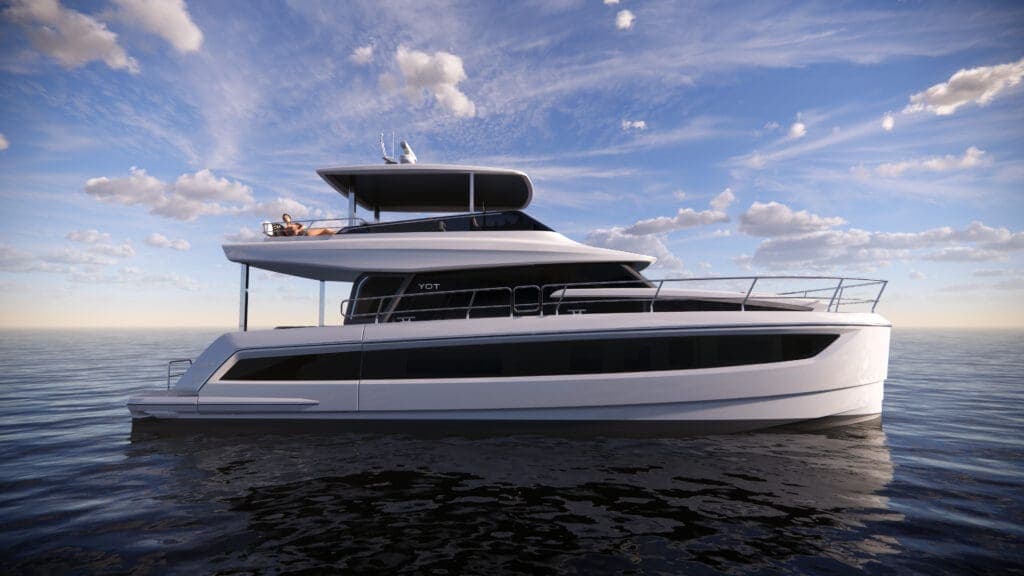
Preparing Your Catamaran for Long-Range Deliveries and Ocean Crossings
Ocean crossings punish unprepared boats; disciplined pre-departure checks on systems, safety gear, and provisioning are what separate a smooth passage from a crisis at sea.
There is a particular kind of clarity that comes when you cast off the dock lines knowing the next landfall is hundreds, or thousands, of miles away. Long-range catamaran deliveries, whether a shakedown cruise after a refit, a repositioning trip between charter seasons, or a full blue-water ocean crossing, strip away every shortcut you took during daysailing. The boat either works or it doesn't, and out there, "doesn't" carries real consequences. Disciplined preparation across four core areas, mechanical systems, safety equipment, provisioning, and procedural planning, is what separates a voyage that builds confidence from one that tests survival instincts.
Mechanical and Systems Checks
Start with the engines, and be honest with yourself about their condition. On a catamaran, each hull carries its own propulsion system, which doubles both redundancy and the maintenance workload. Before any long passage, change the engine oil and filters, inspect the raw-water impellers (they fail without warning and can destroy a heat exchanger in minutes), check zincs, and verify that the cutlass bearings show no excessive play. Fuel tanks should be filled, but also inspected: water contamination in diesel is one of the most common causes of engine failure at sea, so running fuel through a Bamba filter or a quality polishing system before departure is not optional on a serious delivery.
The electrical system deserves equal scrutiny. Catamarans used for offshore work typically carry substantial battery banks, often lithium or AGM, feeding navigation electronics, autopilot, watermakers, and communications gear. Load-test the batteries, inspect every connection for corrosion, and confirm that your alternators are charging at the correct voltage. The autopilot, the hardest-working crew member on any long passage, should be serviced and its ram or drive unit inspected for wear. A failed autopilot on a shorthanded delivery means hand-steering across an ocean, which is exhausting and, for solo runs, potentially dangerous.
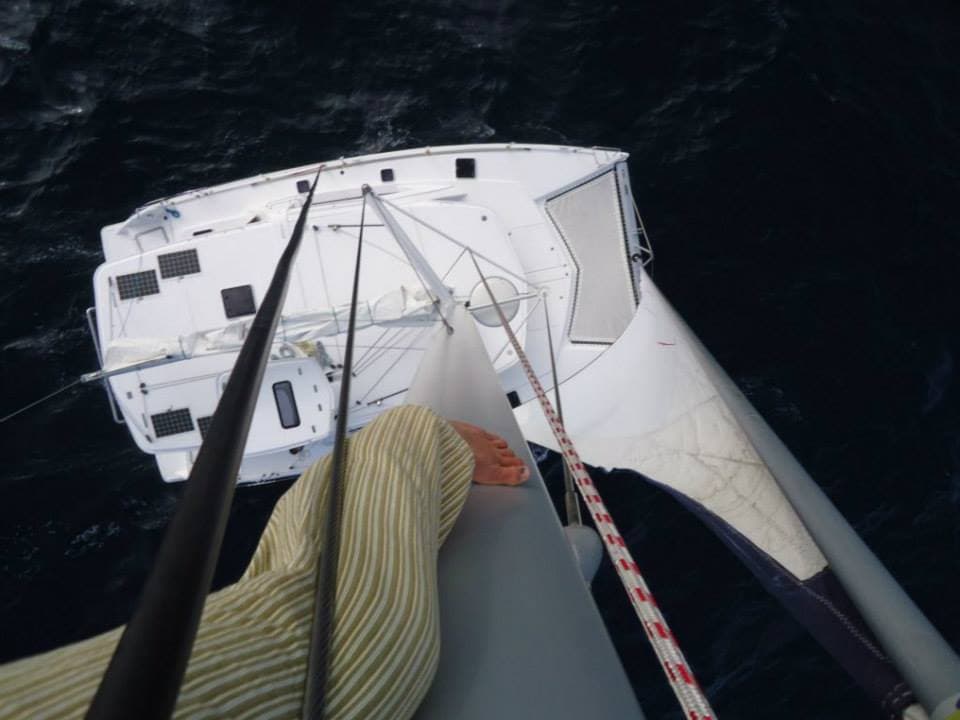
Rigging inspection follows the same logic: find the problems at the dock, not 600 miles offshore. Go up the mast, physically inspect every swage fitting and toggle for cracks, check the furling systems on both headsail and main, and examine all blocks and clutches for wear. Running rigging should be flaked and checked for chafe points, particularly where lines pass through turning blocks or over the boom. A blown-out furler in 25 knots of trade winds is a genuinely miserable situation; a cracked lower shroud swage is far worse.
Safety Equipment
A catamaran's safety profile differs from a monohull in one critical way: cats don't sink easily, but if they capsize, they float upside down and are notoriously difficult to right. That reality shapes every safety decision. Liferaft selection and mounting should account for accessibility from both hulls and the bridgedeck. Check the raft's service date; most manufacturers require inspection every one to three years, and a raft with an expired service tag is not a raft you can trust.
Every crew member on a delivery passage should have a properly fitted offshore life jacket with an integrated harness, a personal AIS beacon, and a personal EPIRB or PLB registered to a current contact. Jacklines should be rigged before departure, not improvised in a rising sea at night. Tethers should be the short "cowstail" style that keeps an overboard crew member close to the hull rather than dragging 6 meters behind the boat. A well-stocked ditch bag, with handheld VHF, flares within their expiration dates, a second PLB, water, and basic medications, should be staged in an accessible location known to every person aboard.
Fire extinguishers, bilge pumps, and through-hull seacocks all need physical inspection. Seacocks that haven't been exercised in years can seize open, which is a critical failure point if a hose lets go. Work every seacock, grease the ones that feel stiff, and make sure a wooden bung is taped to each one below the waterline.
Provisioning
Provisioning for a long passage on a catamaran carries one advantage the monohull world envies: storage volume. Twin hulls mean forward cabins, aft cabins, and hull lockers that can swallow weeks of food and gear. The discipline is organization. Food stored without a system becomes a chaotic excavation exercise by day four.
Plan meals by day and build in redundancy for weather delays, a passage estimated at 12 days should carry 16 to 18 days of provisions comfortably. Prioritize calorie-dense, easy-to-prepare foods for heavy weather days when nobody wants to cook: canned stews, pasta, rice dishes, and snacks that can be eaten with one hand. Fresh produce should be staged by ripening rate, the items that go first stored accessibly, longer-lasting root vegetables and citrus tucked deeper.
Water is non-negotiable. If the catamaran carries a watermaker, know its daily output capacity and verify it was serviced before departure. Carry additional bottled or tankered water as backup for at least five days of basic consumption. Fuel for cooking, typically propane on most offshore cats, should be calculated against the passage length with margin for extended cooking in cold or rough conditions.
Procedural Planning
A passage plan is not just a waypoint file loaded into the chartplotter. It is a documented strategy that includes weather routing, watch schedules, communication protocols, and contingency ports. File a float plan with a shore contact who knows to initiate a response if they haven't heard from the boat within an agreed window. Identify bail-out ports at reasonable intervals along the route and know the entry requirements for each, since some anchorages that look accessible on the chart are restricted at night or require advance notice.
Weather routing for ocean crossings has become genuinely sophisticated. Tools like PredictWind and Passage Weather give passage planners high-resolution GRIB data that was unimaginable a generation ago, but the discipline of reading the data critically still matters. Know the seasonal patterns for your route, whether that's the rhythm of the Atlantic trade winds, the timing of the Pacific high, or the onset of the Indian Ocean southwest monsoon, and plan your departure window accordingly.
Watch schedules on a shorthanded delivery need to be realistic. Three hours on, six off is a sustainable rhythm for a two-person crew on a passage of more than a week. Establish the schedule before departure, write it down, and hold to it: fatigue is the silent contributor to most offshore incidents.
The catamaran that arrives safely is the one where the skipper treated the pre-departure checklist not as bureaucratic paperwork but as the first act of seamanship on the voyage.
This article was produced by Prism’s automated news system from verified source data, official records, and press releases, then run through automated quality and moderation checks before publishing. The system is built and supervised by the people who set the standards it runs under. Read our full AI policy.
Did this article answer your question?