Seakeeper Details Catamaran-Specific Ride Sizing and Software, Advises Dual Installations
Seakeeper has published catamaran-specific Ride sizing and software guidance and recommends dual installations to achieve best pitch, roll and yaw control underway.
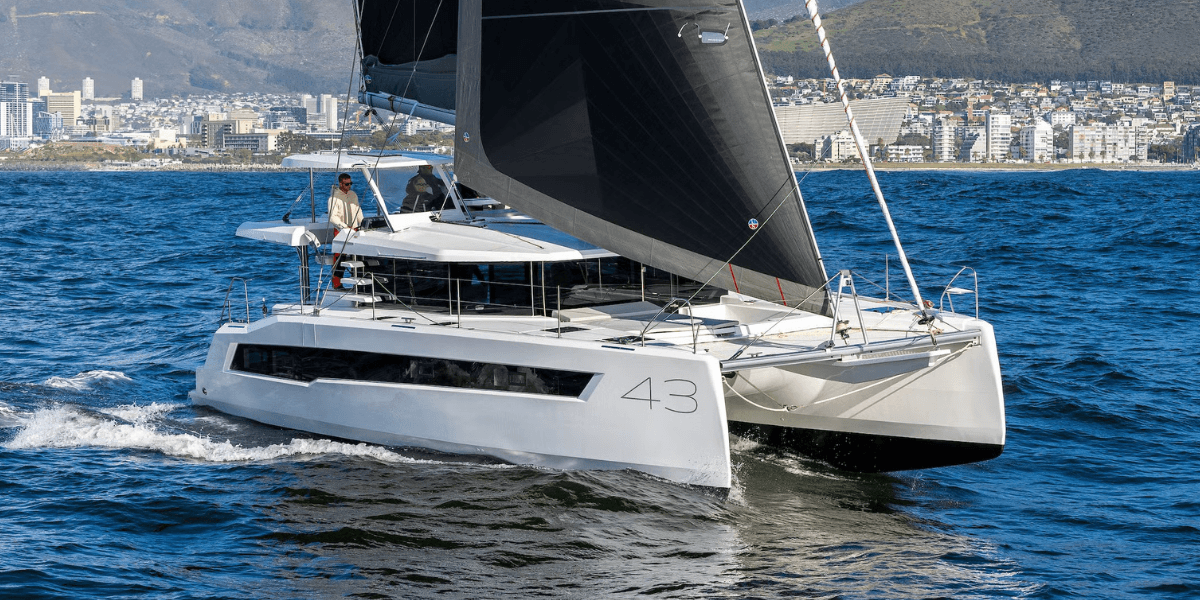
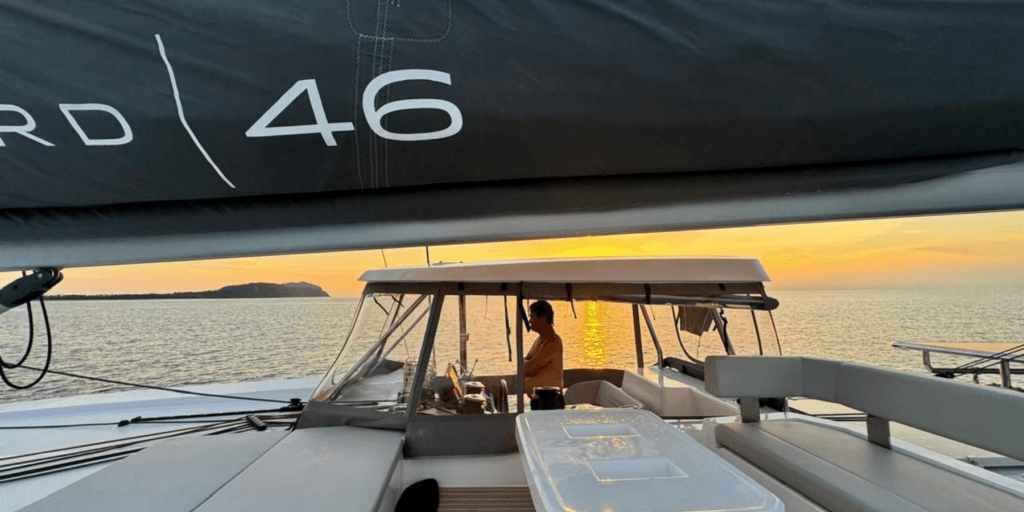
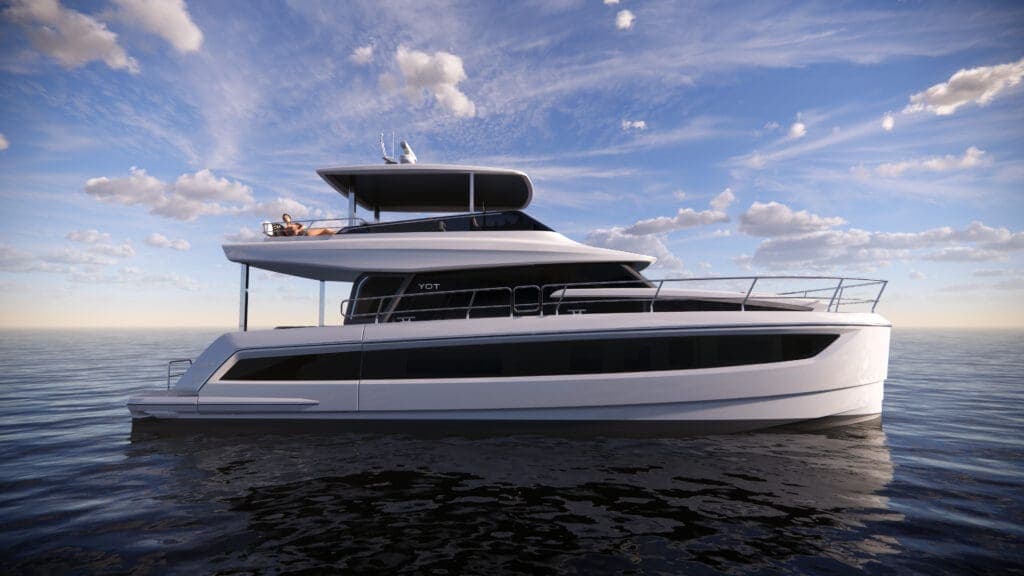
Seakeeper has outlined how its Seakeeper and Seakeeper Ride systems are being adapted specifically for catamarans, underscoring that demihull vessels have unique motion signatures that require tailored sizing and control logic. Catamarans exhibit different pitch/roll/yaw coupling, a greater porpoising risk at higher speeds, and hull-form specific responses that can blunt the effectiveness of standard monohull stabilization approaches.
Seakeeper reports that its Ride variable-gain algorithms already deliver notable underway pitch, roll and yaw stabilization on many catamarans, but the company is moving toward custom controller software optimized for catamaran hull geometries. That software is slated for release early next season, with product timelines varying by market. The new firmware and control maps are intended to complement proper hardware placement and sizing rather than replace them.
For owners, refit yards and OEMs, the practical implications are clear. Stabilization solutions must be sized to each demihull arrangement and take into account mounting location - inboard versus outboard positions affect leverage, mass distribution and control authority. Dual installations may be required for best performance, either as one package per hull or as distributed modules across both hulls, to address asymmetric loading and to maximize roll and yaw control without inducing adverse pitch or porpoising effects.
Software tuning rates as equally important to hardware selection. Variable-gain control and hull-specific maps will be necessary to manage the coupled motions unique to catamarans, and to avoid overcorrection at speed. Yards planning retrofits should factor in physical access, stringer and foundation design, ventilation and maintainability, plus sea trials for calibration. OEMs integrating stabilization in new builds will need early coordination between naval architecture, power systems and interior layout teams to ensure proper placement and weight distribution.

Seakeeper’s catamaran-specific guidance provides a clearer pathway for operators seeking improved comfort and safety on both cruising and performance catamarans. For those considering aftermarket installs, plan on a two-part conversation: sizing and placement now, and controller tuning once the new software is available. For yards and OEMs, budget time and space for potential dual-package installations and expect commissioning to include customized tuning and underway validation.
The upshot for catamaran owners is that effective active stabilization is as much about control software and installation strategy as it is about gyros and motors; approaching stabilization as an integrated system will deliver better seakeeping, fewer surprises on sea trials, and a smoother ride across varying hull types.
This article was produced by Prism’s automated news system from verified source data, official records, and press releases, then run through automated quality and moderation checks before publishing. The system is built and supervised by the people who set the standards it runs under. Read our full AI policy.
Did this article answer your question?