Your Complete Guide to Buying a Catamaran Yacht With Confidence
Buying a catamaran yacht involves more than picking a hull — a practical 10-step framework helps you navigate the process with clarity and confidence.
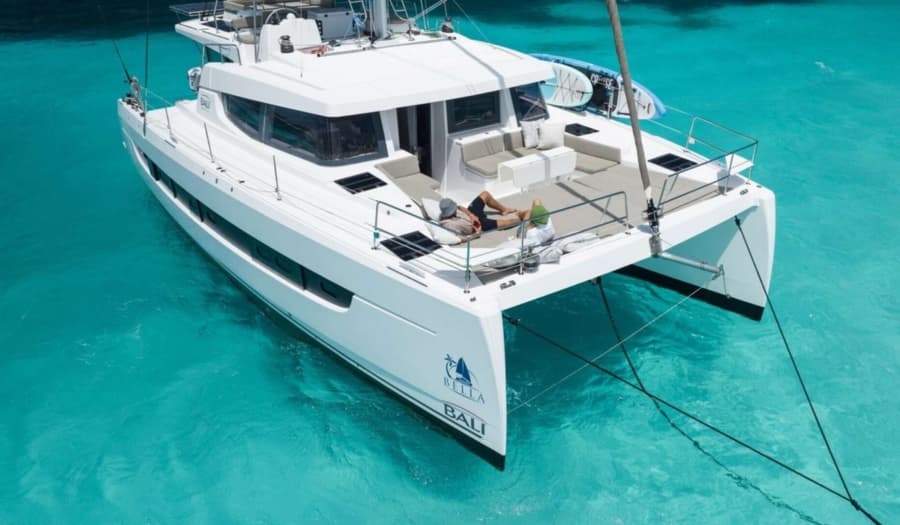
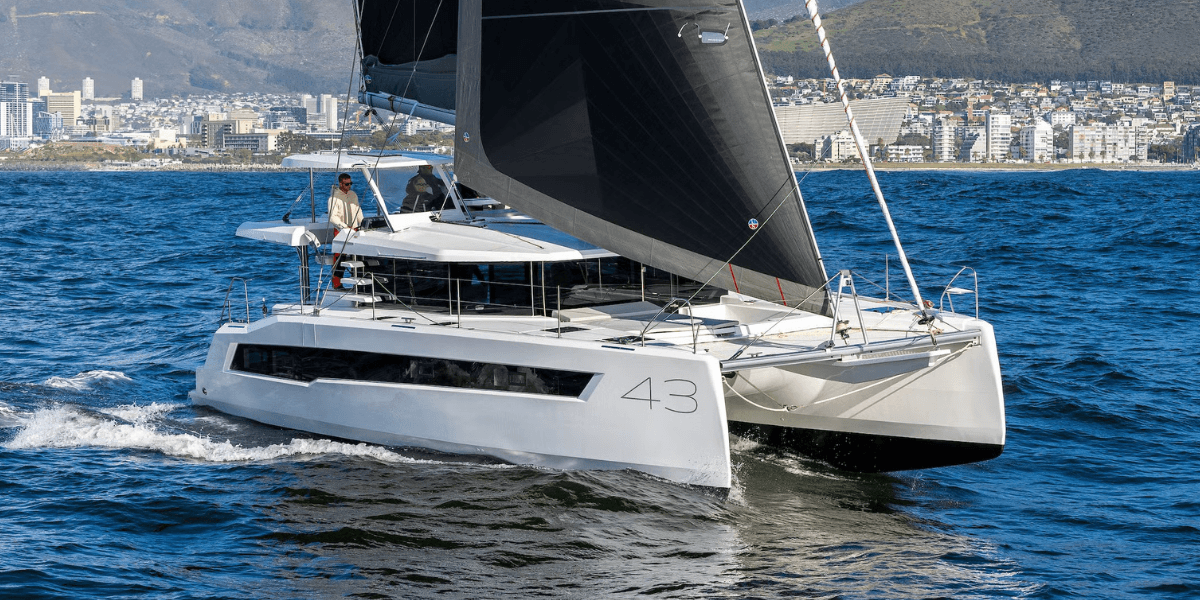
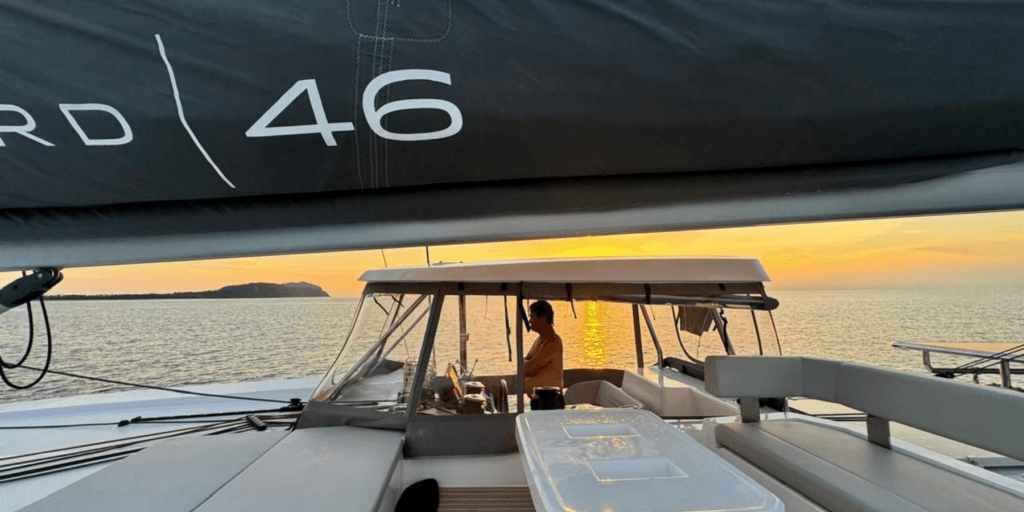
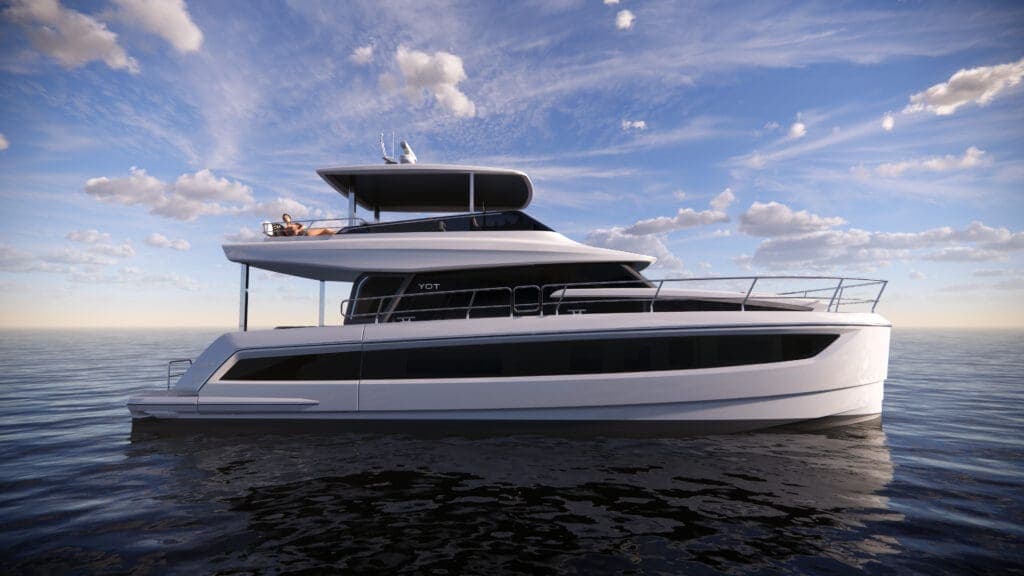
Few purchases in the sailing world carry as much weight, financially and emotionally, as buying a catamaran yacht. The wide beam, the stability underway, the sprawling deck space — it all adds up to a lifestyle decision as much as a boating one. Getting it right means understanding the process before you fall in love with a particular boat, and that means working through the key decisions in a deliberate, structured order.
Know what you actually need from a catamaran
Before browsing listings, get specific about how you intend to use the boat. A couple planning extended bluewater passages has fundamentally different requirements than a family chartering occasionally in the Caribbean. Liveaboard use demands storage volume, watermaker capacity, and a generator setup that a weekend cruiser simply doesn't need. Being honest about your actual sailing profile, rather than your aspirational one, shapes every subsequent decision from hull length to rigging complexity.
Set a realistic budget — and look beyond the purchase price
The price on the listing is only the starting point. Catamaran ownership carries ongoing costs that can run 10 to 15 percent of the vessel's value annually when you factor in marina fees, insurance, maintenance, haul-outs, and crew if you're not sailing yourself. Respected industry sources consistently flag that buyers underestimate refit and upgrade costs on used boats in particular. A catamaran priced attractively may require significant investment to bring systems up to offshore standard, and that gap needs to be built into your financial planning from day one.
Understand the new vs. used decision
Both paths have genuine merit. A new build from an established manufacturer gives you warranty coverage, current safety standards, and the ability to specify layout and equipment to your preferences. Used catamarans, by contrast, offer considerably more boat for the money, and a well-maintained example with a documented service history can be a better platform than a stretched new purchase. The key variable on used boats is the survey, which is non-negotiable at this price point regardless of how well-presented the boat appears.
Choose the right size and configuration
Catamaran sizing is not simply a matter of comfort. Boat length affects where you can berth, what charter bases will accept if you plan to place the boat into a rental program, and critically, how much crew you need to sail safely. Most serious cruising couples settle in the 40-to-50-foot range, where the balance between liveability and singlehanded or doublehanded manageability sits most comfortably. Layout decisions, particularly whether you want a bridgedeck saloon with a central helm or a flybridge configuration, affect daily life aboard as much as any other factor.
Research the builders and models with a critical eye
The catamaran market has a well-defined hierarchy of manufacturers, and understanding which builders have a track record for offshore durability versus those optimized for charter use is essential research. Some hulls that look spectacular in a marina have structural compromises that only reveal themselves in heavy weather offshore. Industry specialists including Catamaran Guru have long emphasized the importance of distinguishing between charter-duty catamarans and genuine bluewater passages makers, as the two categories look similar on the surface but perform very differently at sea.
Inspect the critical systems thoroughly
Catamarans have systems complexity that monohulls don't. Twin engines, dual fuel tanks, two separate electrical banks, watermaker installations, and the bridgedeck structure itself all require careful scrutiny. The bridgedeck clearance — the gap between the water's surface and the underside of the saloon floor — is one of the most important structural considerations for offshore use, as insufficient clearance leads to uncomfortable and potentially damaging wave slamming in ocean swells. Rigging, chainplates, and standing rigging deserve particular attention given the loads a cat's wide beam places on the rig geometry.
Get a professional survey — and the right surveyor
A marine survey on a catamaran is not interchangeable with a monohull survey. You need a surveyor with specific multihull experience who understands osmotic blistering patterns on twin hulls, knows where structural stress concentrates in the bridgedeck connections, and can assess the wet deck for any delamination. The cost of a thorough survey is modest relative to the purchase price and has the potential to save you from a catastrophically expensive mistake or, equally valuably, to give you confidence that the boat you've identified is as solid as it looks.
Navigate the ownership and flagging options
Where you register your catamaran and under what structure you hold it has meaningful tax, liability, and practical implications. Many buyers exploring the charter market hold their vessel through a company structure in a favorable flagging jurisdiction, a path that Y.CO and other brokerage specialists regularly facilitate. For private buyers, the choice between flagging in your home country versus a recognized offshore registry affects documentation requirements, cruising permissions in foreign waters, and resale value perceptions in certain markets.
Plan your sea trial carefully
A sea trial on a catamaran needs to cover more ground than simply motoring out and back. You want to evaluate performance on multiple points of sail, assess helm balance under canvas, check that both engines run cleanly under load, and spend enough time offshore to understand how the boat moves in a real seaway. If the seller or broker is resistant to a thorough sea trial, treat that as a significant red flag. No serious seller of a well-maintained vessel has any reason to limit your time on the water before you commit.
Build your ownership team before you close
The closing process on a yacht purchase involves legal documentation, escrow handling, and in many cases flag state registration paperwork that benefits from specialist support. Lining up a maritime lawyer, a reliable yard for your first haul-out, and an insurance underwriter experienced with bluewater catamarans before you sign contracts means you're not scrambling to assemble those relationships under time pressure. Having a delivery captain identified in advance is equally valuable if the boat needs to move any distance after purchase.
The catamaran market rewards buyers who do the homework systematically. The practical frameworks developed by specialists like Catamaran Guru exist precisely because the enthusiasm that draws people to these boats can sometimes outrun the due diligence the purchase demands. Work through each decision layer in order, lean on professionals with genuine multihull expertise, and the boat you end up with will be the right one for the sailing life you're actually planning to live.
This article was produced by Prism’s automated news system from verified source data, official records, and press releases, then run through automated quality and moderation checks before publishing. The system is built and supervised by the people who set the standards it runs under. Read our full AI policy.
Did this article answer your question?