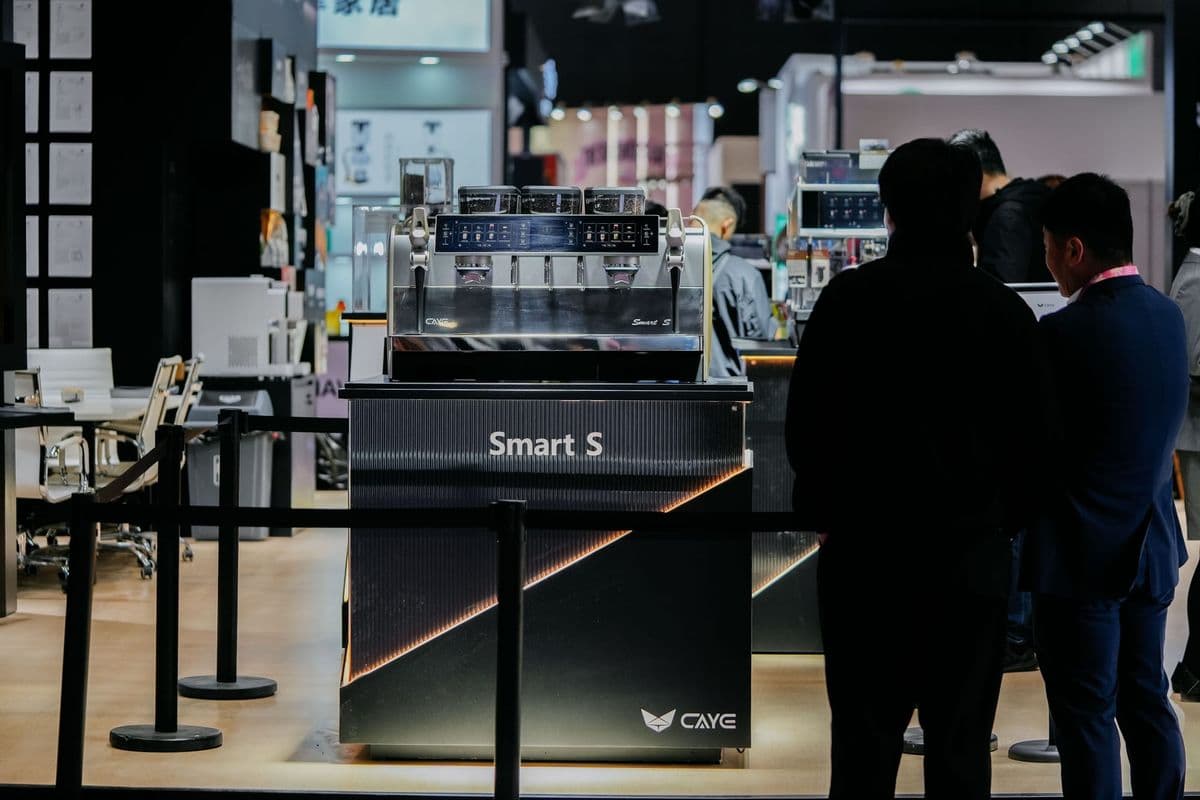
Auntea Jenny Eyes Coffee as Core Category After 36% Revenue Surge
Auntea Jenny's profits jumped 52.4% in 2025, and the Shanghai milk-tea giant's next move is turning coffee from a menu footnote into a core business.

Auntea Jenny built 11,449 stores on milk tea. Now it wants coffee.
The Shanghai-based chain, which listed on the Hong Kong Stock Exchange in May 2025, released full-year 2025 results showing revenue of RMB 4,465.64 million, a 36.0% year-over-year increase, and profit of RMB 501.32 million, up 52.4% on the prior year. Gross profit climbed 36.7% to RMB 1,404.23 million. Those numbers, strong on their own, were almost a secondary story alongside the strategic signal buried in the same release: the company intends to elevate coffee from an occasional menu addition to a core product category.
The vehicle for that ambition already exists. Auntea Jenny operates "Jenny x Coffee" as a distinct sub-brand alongside its flagship tea offering, meaning the coffee pivot is not a standing start. What management announced is an acceleration: plans to launch more coffee drinks, innovate around consumption occasions, and pursue what the company called "integrated innovation in coffee and tea beverages" to unlock broader demand. The company also flagged supply-chain upgrades, including deeper cooperation with suppliers both inside China and internationally, as part of the infrastructure needed to support that push.

The scale behind those words is what makes the coffee industry pay attention. Auntea Jenny's franchise-heavy model drove the store count past the 10,000-store milestone to reach 11,449 locations by the end of 2025, and the brand's density is concentrated precisely in China's lower-tier cities, markets where Luckin and Starbucks have uneven footholds and where Auntea Jenny already controls shelf presence. Company materials described 2025 as a "banner year," and the board moved to distribute a final dividend of RMB 10 per 10 shares, underscoring confidence that the margin profile supports further investment.
For roasters and green-bean traders tracking China, the pivot raises concrete questions about sourcing. A chain operating at 11,000-plus locations moving coffee from garnish to anchor requires consistent supply at volume, and analysts following the company's tea-to-coffee transition have noted that the supply-chain requirements, barista training, and repositioning of consumer expectations are non-trivial. Robusta blends calibrated for local palate preferences are the most likely entry point, given cost structure and the flavor profiles dominant in China's fast-casual coffee segment.
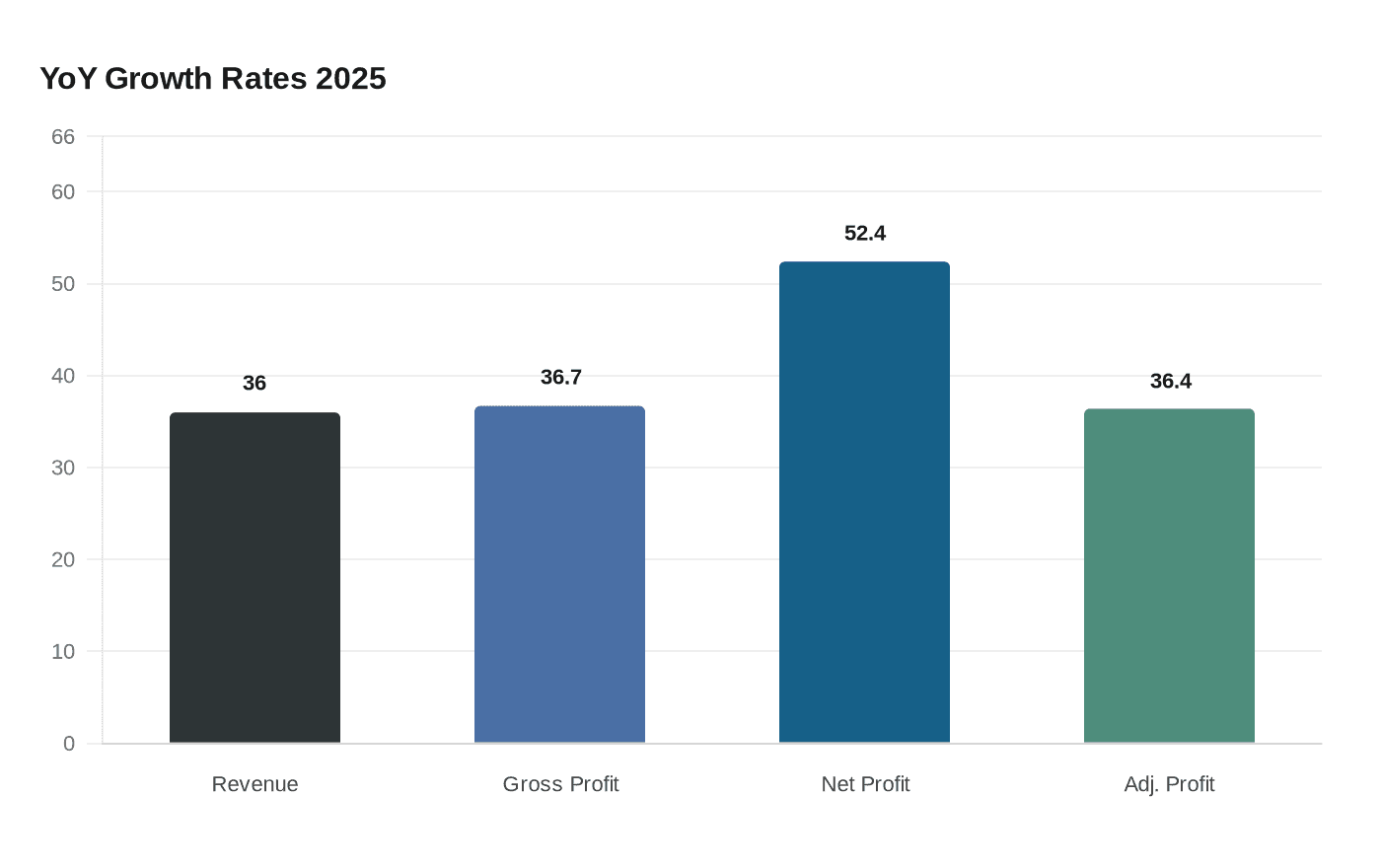
Internationally, Auntea Jenny already had 30 stores in Malaysia by mid-2025 and has outlined targets to exceed 100 there, with additional US outposts in California and New York. If coffee scales domestically as management projects, those international locations become test beds for a dual tea-and-coffee positioning that no major chain currently owns at this price tier. The board's adjusted profit figure of RMB 570.33 million, up 36.4%, suggests the balance sheet has room to fund that experiment. Whether the company treats coffee as a genuine craft category or simply another high-margin SKU in the franchise mix will determine how much of that spending reaches origin producers versus staying inside the logistics network it is already building.
This article was produced by Prism’s automated news system from verified source data, official records, and press releases, then run through automated quality and moderation checks before publishing. The system is built and supervised by the people who set the standards it runs under. Read our full AI policy.
Did this article answer your question?