Brazil coffee exports fall in March as arabica shipments weaken sharply
Brazil shipped just over 3 million bags in March, but a sharp drop in arabica left roasters facing a tighter supply picture and stubborn price pressure.
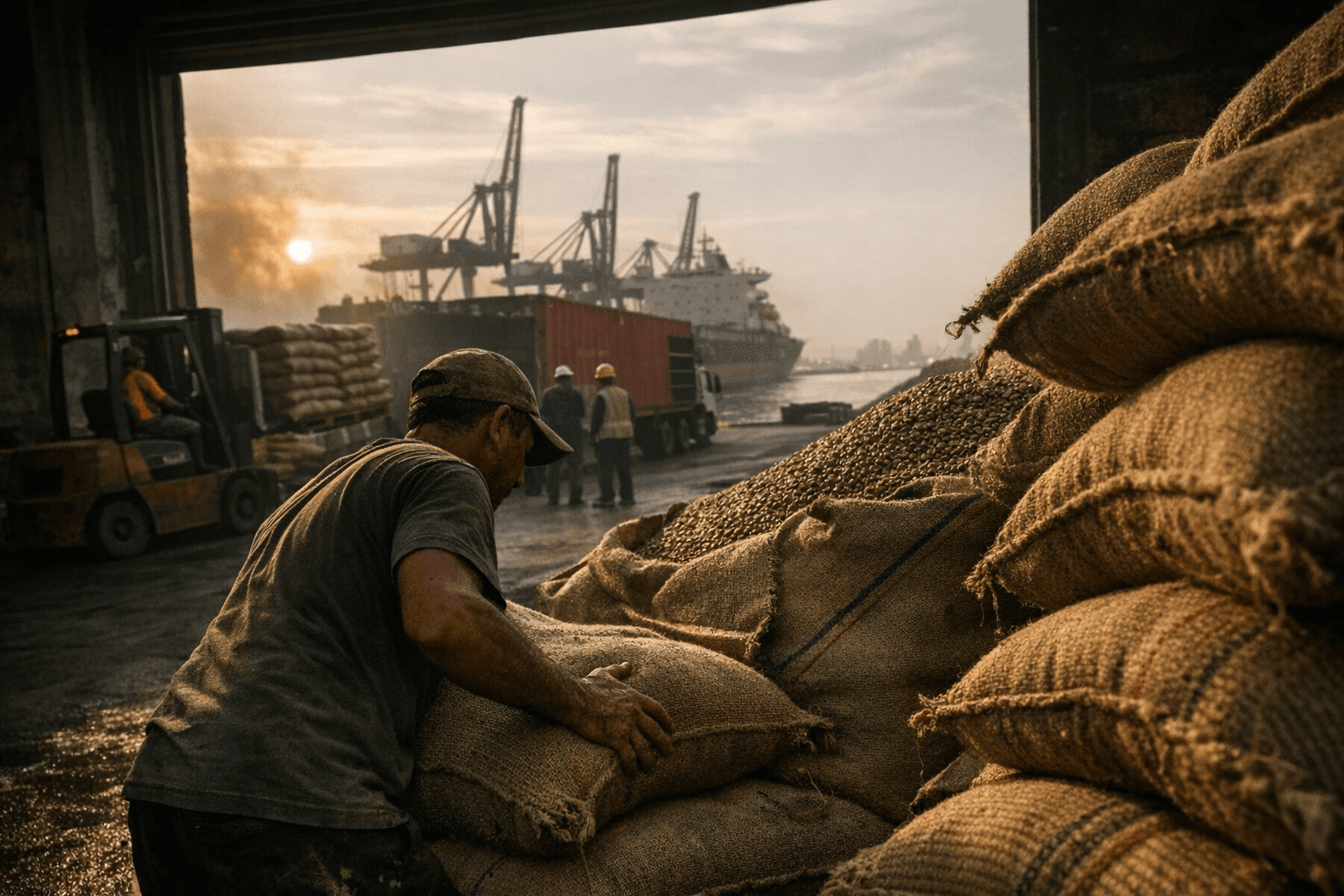
Brazil’s March export total looked large on paper, but the details pointed to a market that is still uneasy. Cecafe figures showed all forms of coffee exports at 3,039,876 bags, a step up from February, yet still 7.8 percent below March 2025. For roasters trying to lock in Brazilian supply, that mix matters: the headline number did little to erase concern about whether enough arabica is flowing for blends, espresso programs and Brazil-heavy single-origins.
The pressure showed up more clearly in green coffee. Green exports fell 10.4 percent to 2,655,040 bags, and arabica shipments weakened sharply inside that total. Canephora volumes were much stronger than arabica for the month, underscoring how Brazil’s export mix is shifting under the strain of weather, pricing, logistics and farmer selling patterns. That does not translate into a simple shortage story, but it does mean the market is getting a different balance of beans than many buyers want.
The first quarter was softer still. Exports reached 8.4 million bags, down 21.2 percent from the same period a year earlier, while revenues also declined. That combination is what keeps traders and buyers on edge. A top producer like Brazil can still post a respectable monthly figure and yet leave the industry feeling short on the coffees that matter most for mainstream roasts and premium blends. When arabica volumes sag, buyers often have to pay more attention to replacement origins, lower outturns and tighter contract timing.
For cafés and home brewers, the impact is indirect but real. A weaker arabica export flow can keep pressure on green costs for espresso blends and steady Brazil components in supermarket and specialty offerings. It also keeps volatility elevated, especially when crop forecasts remain comparatively strong but the trade flow does not line up cleanly with those expectations. March’s numbers suggest Brazil is still exporting, but not in a way that fully reassures the market. If the pattern holds, it could keep buyers conservative and preserve a floor under coffee prices heading into the next buying cycle.
This article was produced by Prism’s automated news system from verified source data, official records, and press releases, then run through automated quality and moderation checks before publishing. The system is built and supervised by the people who set the standards it runs under. Read our full AI policy.
Did this article answer your question?