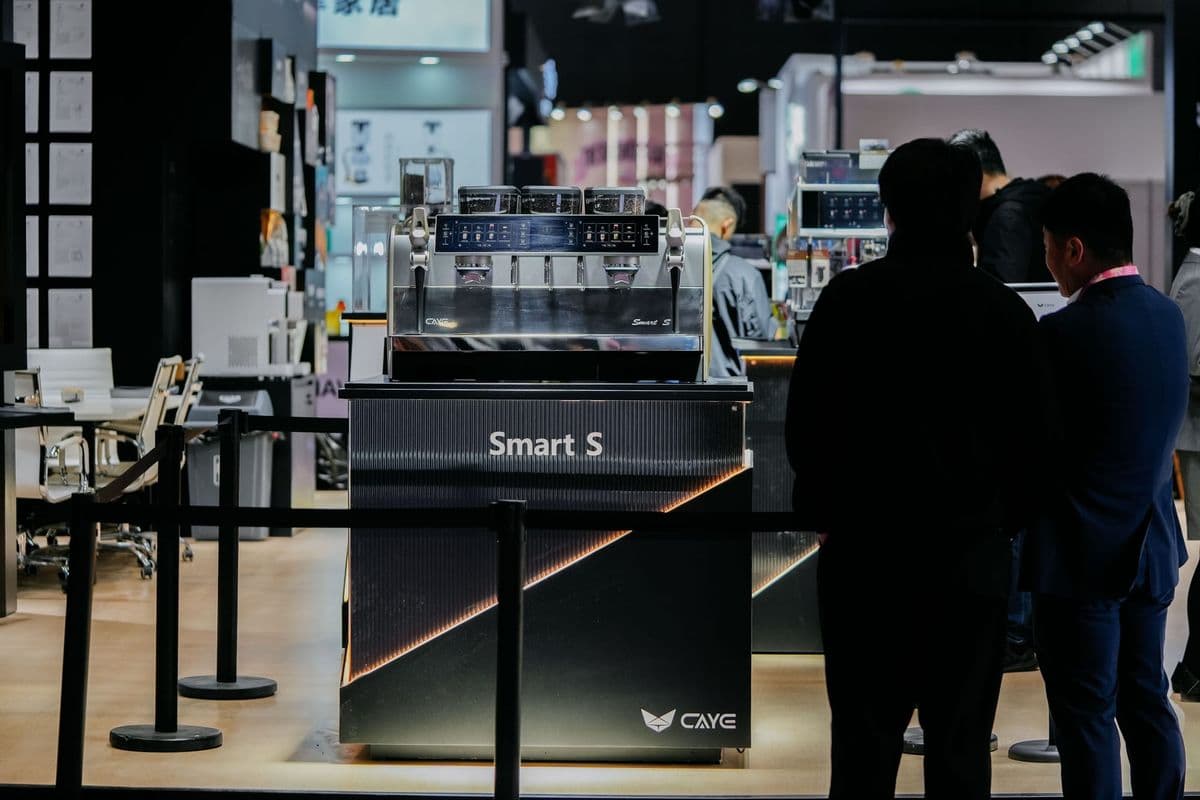
Brevel and Coffeesai explore cultivated coffee ingredients for climate resilience
Brevel’s leap from microalgae into Coffeesai’s coffee cell culture points to a future where climate resilience could start in bioreactors, not coffee fields.

Brevel has moved its illuminated fermentation platform into coffee cell culture through a collaboration with Coffeesai, turning a microalgae company’s scale-up push toward a very different ingredient future. The project is backed by a US$1 million grant from the Israel Innovation Authority and aims to test whether controlled bioreactors and targeted light can help produce coffee-adjacent materials with more climate resilience than conventional farming.
Coffeesai is pitching the work as a response to the pressure coffee growers already know too well: heat, water scarcity and volatile weather. The company says its system uses coffee-plant leaves and can produce the coffee equivalent of 1,000 trees in three weeks from a single cell batch, a headline claim that still needs to prove itself outside the lab. Ami Herman, Coffeesai’s chief executive, said the early findings were encouraging and that the company is evaluating paths toward larger-scale production.
Brevel’s role matters because it is not treating this as a one-off experiment. The Israeli company raised US$8.4 million in seed funding in 2022 and opened its first commercial microalgae protein facility in June 2024, giving it a record of moving from research to manufacturing. It also disclosed a separate partnership in June 2026 with US-based Ayana Bio to advance plant-based bioactive ingredient production, a sign that Brevel is deliberately broadening beyond algae into adjacent plant-cell platforms.
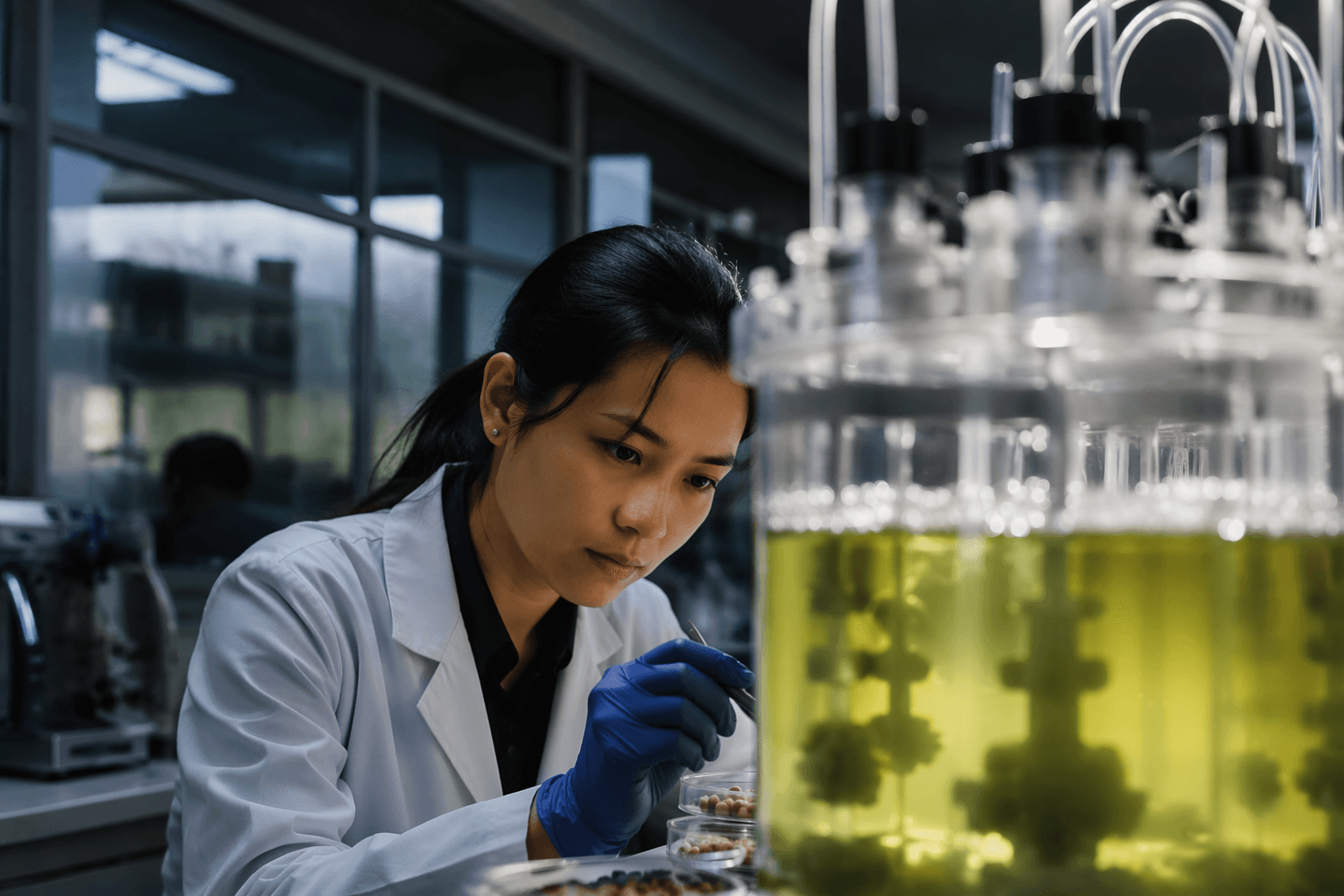
The coffee angle is still early, but it is also specific. Brevel says its illuminated fermentation approach combines controlled fermentation with light exposure to help plant cells grow more efficiently and stimulate compounds tied to flavor, aroma and nutrition. In early trials, different light profiles changed the sensory characteristics of the resulting biomass, suggesting a future in which coffee-like inputs could be tuned more precisely than a crop exposed to weather swings.
That possibility is what makes the Brevel and Coffeesai work more than another biotech demo. The industry is already seeing plant cell culture move from theory into real competition, with The Cultured Hub expanding into plant cell culturing capabilities and start-ups pitching technologies for cocoa, chocolate and coffee processing. If cultivated coffee ingredients ever clear the technical and commercial hurdles, they could become part of a broader resilience strategy for cafés, roasters and brands looking for more stable supply as climate pressure keeps building.
This article was produced by Prism’s automated news system from verified source data, official records, and press releases, then run through automated quality and moderation checks before publishing. The system is built and supervised by the people who set the standards it runs under. Read our full AI policy.
Did this article answer your question?