Coffee futures rise as Vietnam rain and Colombia crop cuts worry traders
Colombia’s crop cut and patchy Vietnam rain pushed arabica and robusta higher, and the first cups to feel it are likely blends and Colombian single-origins.
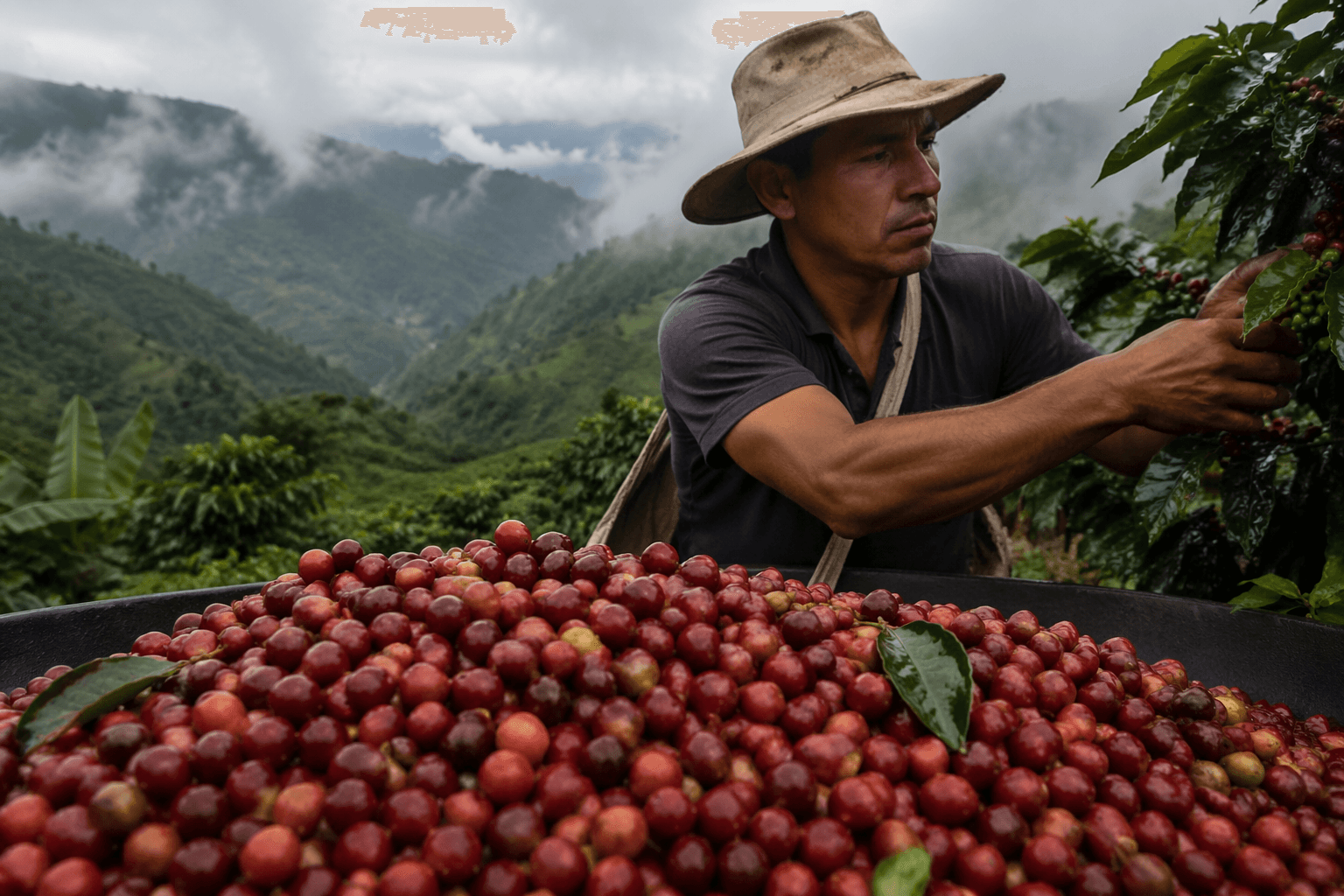
The first coffees most likely to feel the squeeze are the everyday blends and Colombian single-origins that line roaster menus now. If futures stay elevated, espresso blends that lean on robusta, darker house roasts built for price stability, and bright Colombian lots sold as washed single-origins are the styles most likely to get repriced, reformulated, or allocated more tightly.
Coffee markets opened stronger as weather and crop news hit both ends of the supply chain. New York arabica futures settled up 0.6 percent at 272.25 cents, while London robusta climbed 1.8 percent to $3,519. Vietnam was part of the move, with sporadic rainfall still judged insufficient for the new crop, keeping pressure on robusta supply expectations.
The bigger consumer story came out of Colombia. The U.S. Department of Agriculture’s Foreign Agricultural Service cut its forecast for Colombia’s MY 2025/26 coffee production to 12.5 million 60-kilogram bags, down from 13.2 million bags in 2024/25. The agency also projected exports at 11.8 million bags. Heavy rains were the main culprit, damaging flowering and fruit development at the exact stage when coffee plants need a delicate water-stress cycle to trigger proper blooming.
That matters directly for cups on roaster shelves. Colombian coffee is one of the most visible origin labels in specialty and premium grocery aisles, and tighter supply usually shows up first in single-origin offerings, seasonal microlots, and blend formulas that rely on Colombia for sweetness, structure, and clean acidity. With New York arabica already firm, roasters are more likely to protect higher-margin lots and quietly adjust the rest of the lineup.
The longer view is no easier. A later USDA update dated May 20, 2026, forecast Colombia’s 2026/27 crop at 13.4 million bags under favorable dry conditions, but the near-term outlook still points to pressure from disease, weather, and the slow pace of renovation. The report said higher coffee prices were discouraging investment in replanting, which can leave farms vulnerable longer than buyers would like.
Cenicafé’s phytosanitary survey showed coffee leaf rust incidence at 4.5 percent and coffee berry borer prevalence at 1.6 percent, both below the economic damage threshold but still high enough to keep agronomists watching. Colombia’s response is already visible in the field, where about 87 percent of coffee area is planted with rust-resistant varieties, up from roughly 35 percent in 2010. Newer lines including Castalia, Celestra, Cocoon, Castillo 2.0, and the Umbral line are meant to pair cup quality with resistance.
For readers tracking what lands in the bag next, the warning signs are straightforward: fewer low-friction Colombian single-origins, more blend reformulation, and a stronger chance that roaster websites start emphasizing limited supply before they change the price.
This article was produced by Prism’s automated news system from verified source data, official records, and press releases, then run through automated quality and moderation checks before publishing. The system is built and supervised by the people who set the standards it runs under. Read our full AI policy.
Did this article answer your question?