Coffee Giants Launch Satellite Map to Track Deforestation Risk
JDE Peet’s, Airbus and major traders launched a shared satellite map for coffee as EUDR deadlines loom. The first pilot spans 1.2 million square kilometers across East Africa.
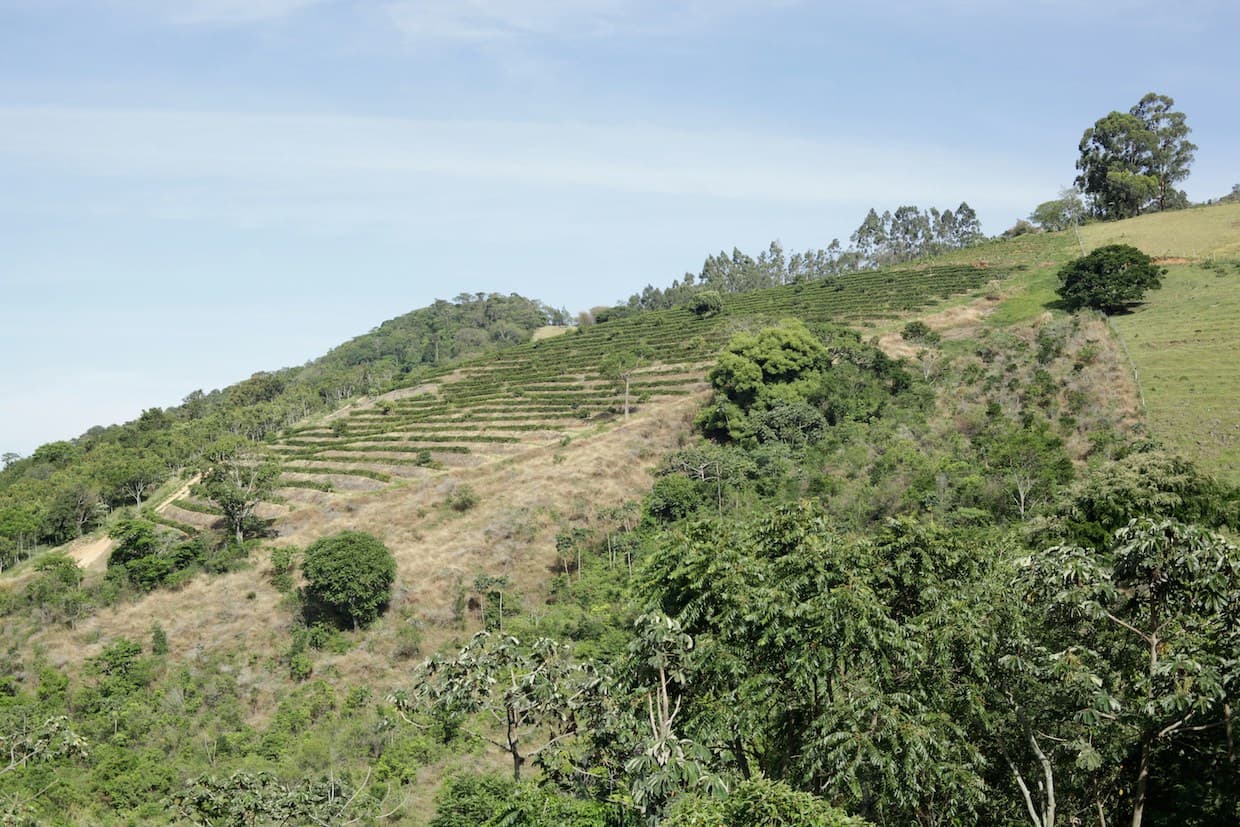
Coffee’s biggest traders and roasters have started pooling satellite data instead of fighting deforestation checks one company at a time. The new Coffee Canopy Partnership brought together JDE Peet’s, Louis Dreyfus Company, Sucden, Neumann Kaffee Gruppe, Touton, Sucafina and Tchibo, with Airbus Defence and Space as the technical partner, in what the group says will become the world’s first comprehensive, openly accessible map of coffee plantations.
The timing was hard to miss. The European Commission has said large and medium operators under the European Union Deforestation Regulation must comply from Dec. 30, 2026, with micro and small operators following on June 30, 2027. Coffee is one of the seven forest-risk commodities covered, and the rule requires proof that relevant products were not produced on land deforested after Dec. 31, 2020. For exporters, traders and roasters selling into the EU, that turns farm mapping from a back-office exercise into a market access issue.
The first phase of the partnership focused on East Africa, covering roughly 1.2 million square kilometers across Ethiopia, Tanzania, Kenya, Uganda, Burundi and Rwanda. Backing came from the UK Foreign, Commonwealth & Development Office, and the Food and Agriculture Organization of the United Nations endorsed the effort. The structure matters: rather than building separate compliance systems inside each company, the partners are trying to create a common baseline that can be shared across the supply chain.
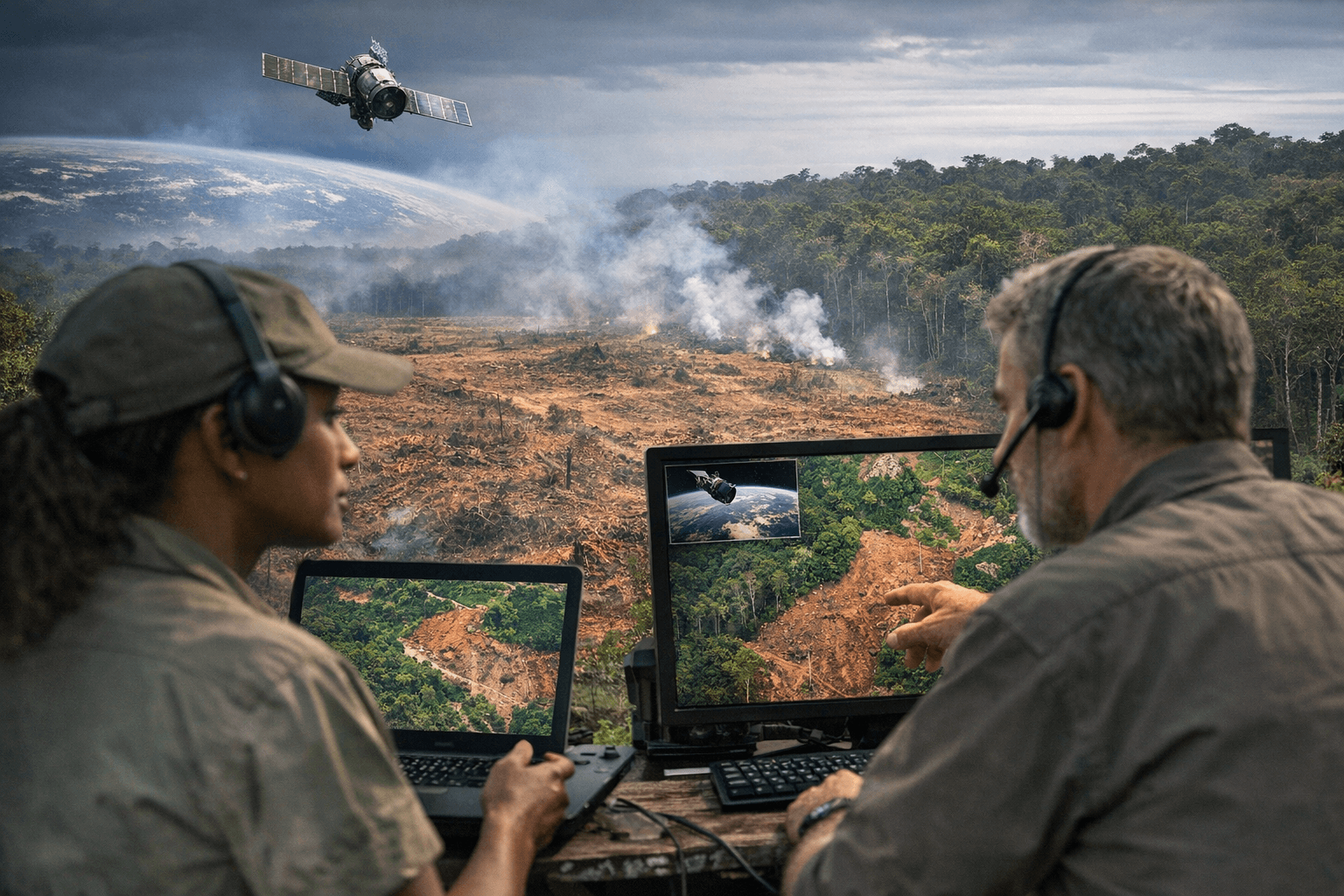
JDE Peet’s said the platform is meant to help farmers verify whether their land has been correctly identified as coffee cultivation, especially in shade-grown and agroforestry systems that can be mistaken for forest cover. That distinction could matter far beyond paperwork. If a farm is misclassified, a grower can be blocked from a market even when the land-use history is legitimate, a risk that hits smallholders hardest because they often lack the money and technical capacity to prove compliance on their own.
That pressure is no small thing in coffee. The FAO says more than 25 million farmers depend on coffee production worldwide, most of them smallholders, and smallholder farms account for about 80% of global coffee output. The sector still has a long way to go on traceability too: Forest 500 found the share of companies with a public deforestation-free commitment for coffee rose only to 47% in 2025 from 44% in 2024, while public evidence of traceability systems improved to 18% from 14%.
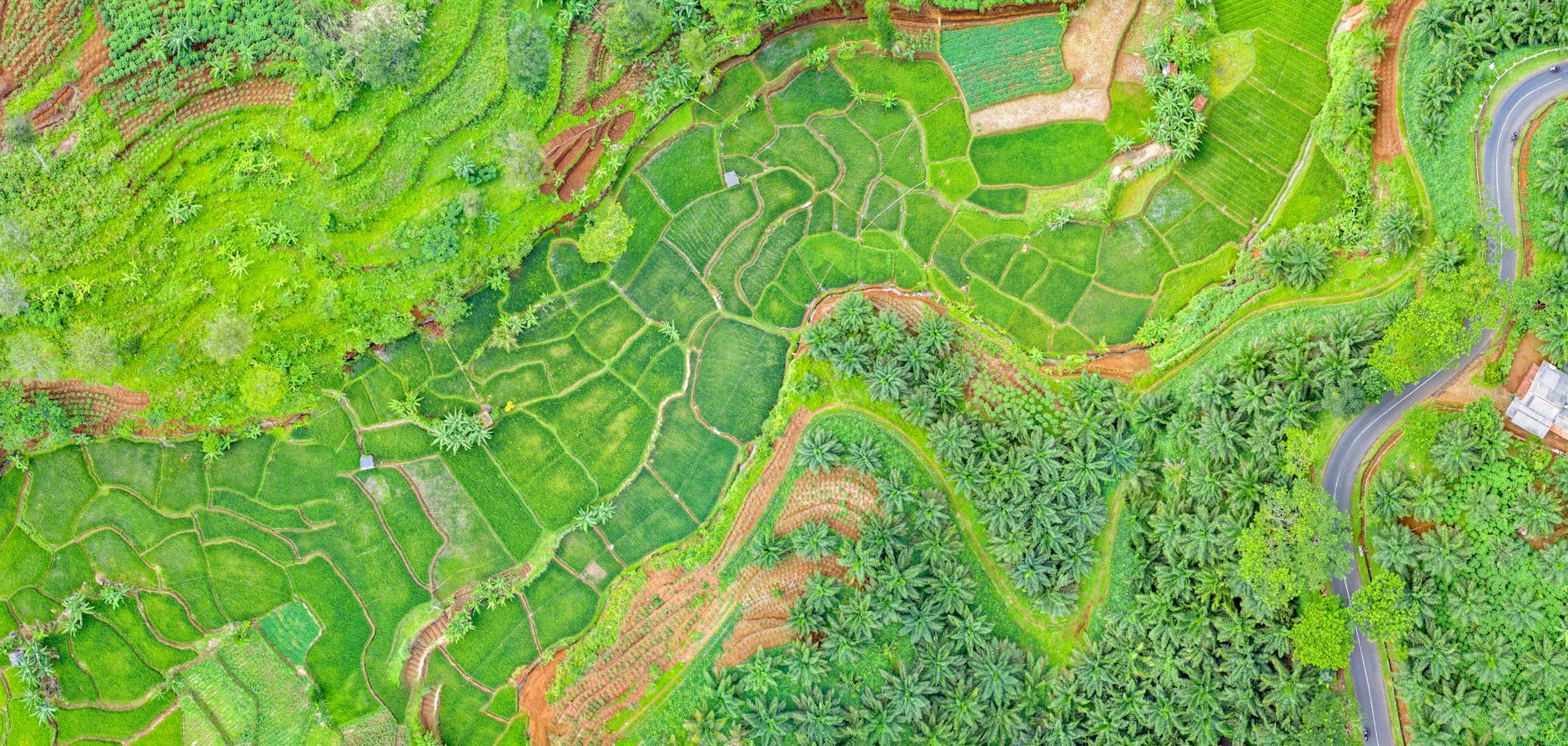
The partnership also built on earlier work from JDE Peet’s with Enveritas, which used satellite imagery, AI and on-the-ground verification to measure coffee-related deforestation. With Keurig Dr Pepper having completed its acquisition of JDE Peet’s in April 2026, the new coalition now has both the scale and the urgency to reshape how coffee origins are documented, who gets visible in the supply chain, and whether small growers are brought into the system or simply made easier for big buyers to scrutinize.
This article was produced by Prism’s automated news system from verified source data, official records, and press releases, then run through automated quality and moderation checks before publishing. The system is built and supervised by the people who set the standards it runs under. Read our full AI policy.
Did this article answer your question?