Colombia coffee sector leaders complete ILO living wage training
More than 30 Colombia coffee, banana and palm oil leaders finished a 100-hour ILO diploma, but the real test is whether it shifts pay talks on the ground.
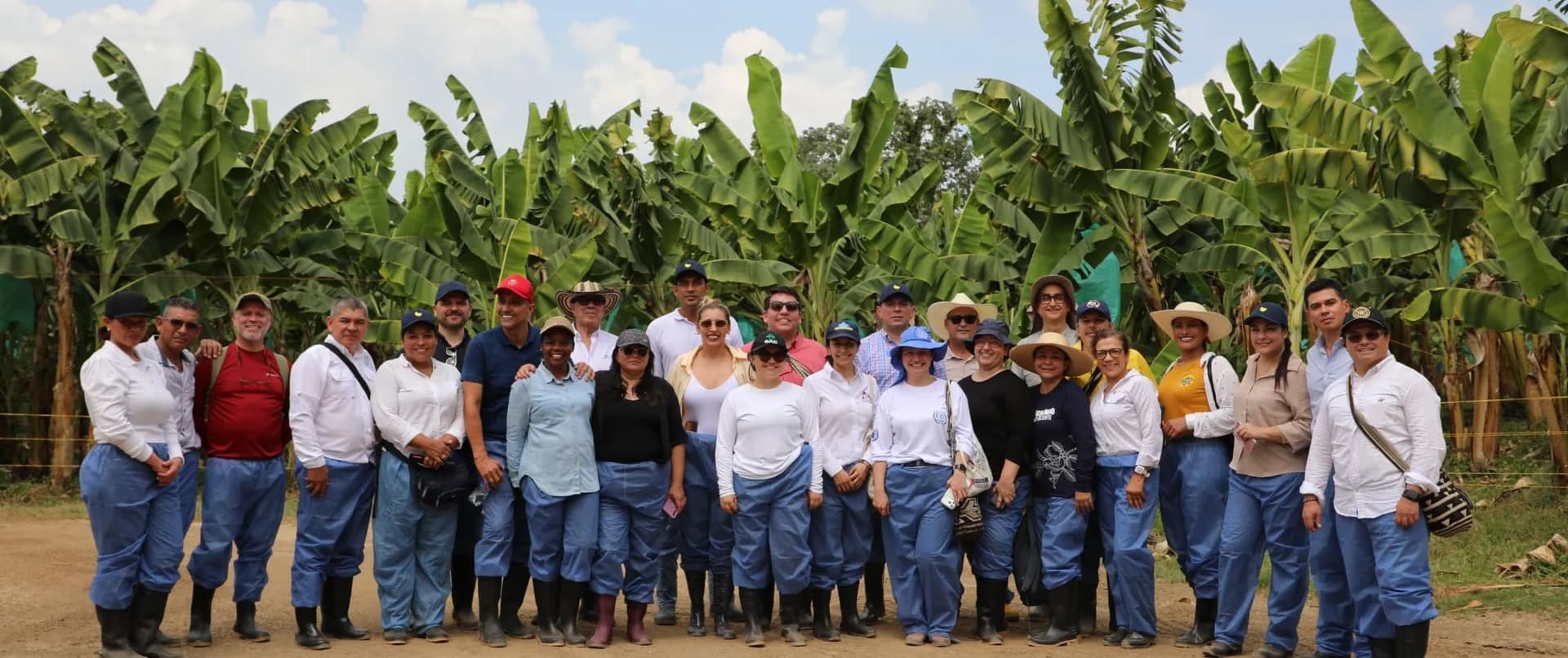
More than 30 people from Colombia’s coffee, banana and palm oil supply chains have just finished a 100-hour living-wage diploma, but the hard part starts now: turning classroom language into pay decisions, bargaining positions and sourcing pressure that actually reaches farms. The RURALIA programme ended in Santa Marta after field visits to the Nueva Esperanza banana farm in Magdalena and the palm oil company GREMCA, a reminder that this was built as a practical exercise in agricultural wage politics, not a certificate to hang on a wall.
The participants came from workers’ organisations, companies and government bodies, including national and regional actors from the coffee, banana and palm oil sectors. The ILO said the course mixed in-person, virtual and asynchronous sessions and covered the mechanics that usually sit behind the slogans: wage determinants, payment and remuneration systems, wage gaps, collective bargaining and working time. In plain terms, the programme tried to give everyone in the room the same vocabulary for arguing over what a fair wage means, who should pay for it, and how to prove it.
That matters because the ILO is not selling this as an immediate wage uplift. RURALIA sits inside the agency’s wider Setting living wages/incomes in agriculture project, which is part of the SAW-A programme in Colombia. That project runs until 31 January 2028 and is funded by Germany’s Federal Ministry for Economic Cooperation and Development, or BMZ. The point, the ILO says, is to strengthen technical capacity, support statutory minimum wages and collective bargaining, and build more transparent, locally grounded wage-setting principles.
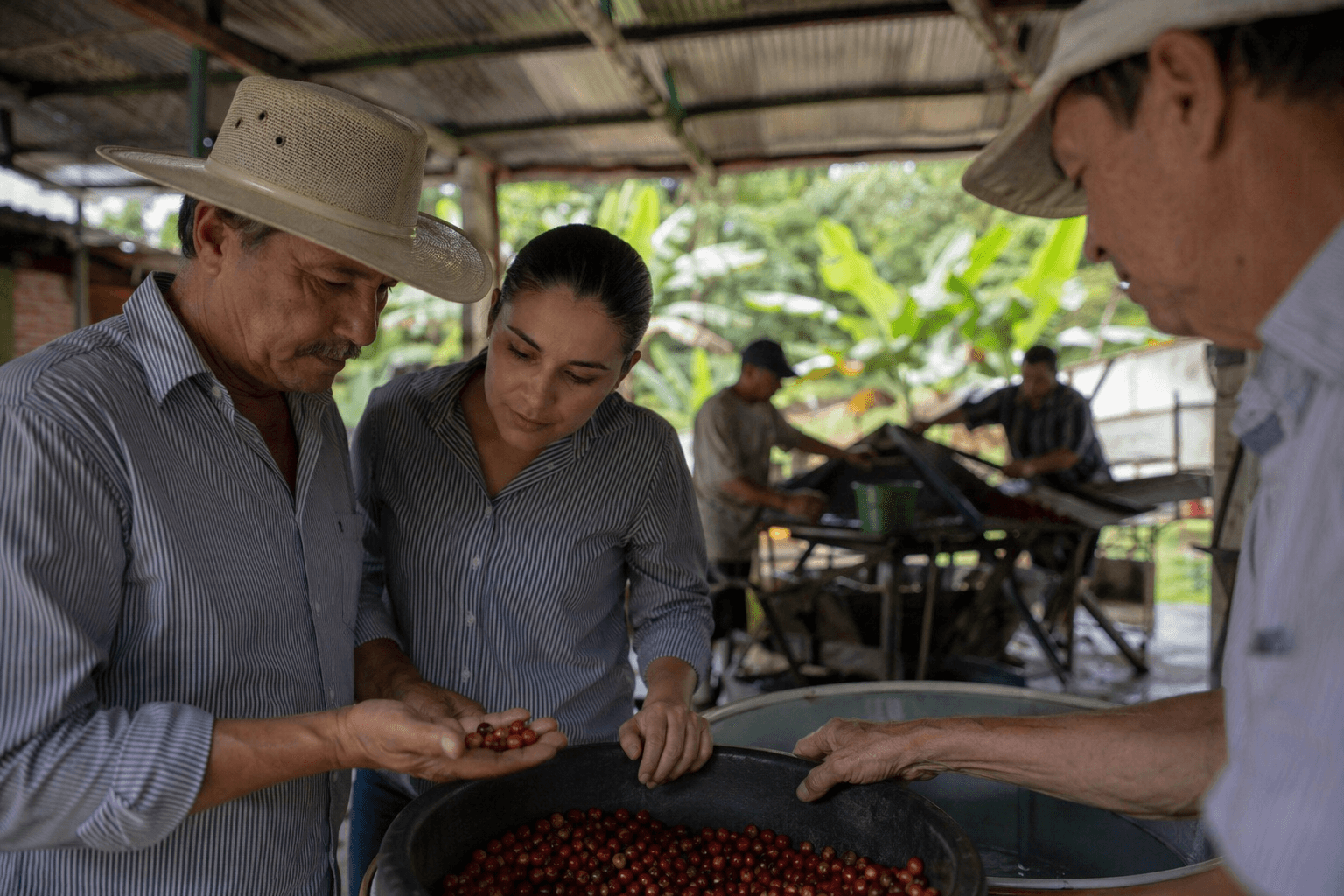
Colombia is a serious test case. Agriculture made up 39% of the country’s total exports in 2022, yet the sector still carries low wages, poor working conditions, weak labour inspection, limited compliance with Fundamental Principles and Rights at Work and high informality. For coffee, the problem is especially sharp: the ILO has said 85% of Colombia’s coffee production takes place in the informal economy. That means wage conversations do not stay at exporter level for long. They run straight into farm labor, seasonal work and the way buyers justify premiums, audits and sourcing requirements.
That is why the sector mix matters. Coffee sat in the same room as banana and palm oil, and the ILO has framed the project around exporters linked to European markets, where due-diligence rules are making living wages harder to treat as a side issue. Jhon Jairo Agudelo of SINALTRAIFRU, speaking after the field visits, said he was struck by banana producers’ efforts to pay a decent wage and by palm oil’s collective bargaining experience, adding that workers and companies can both prosper through those agreements. The diploma will not settle coffee’s wage gap by itself, but it does tighten the pressure around who has to answer for it next.
This article was produced by Prism’s automated news system from verified source data, official records, and press releases, then run through automated quality and moderation checks before publishing. The system is built and supervised by the people who set the standards it runs under. Read our full AI policy.
Know something we missed? Have a correction or additional information?
Submit a Tip