Indonesia coffee output seen falling 8% as rains hit robusta crops
Rain-hit robusta fields in Indonesia could make Sumatra and Java coffees scarcer, pricier and less consistent, just as roasters head into the 2026/27 crop year.
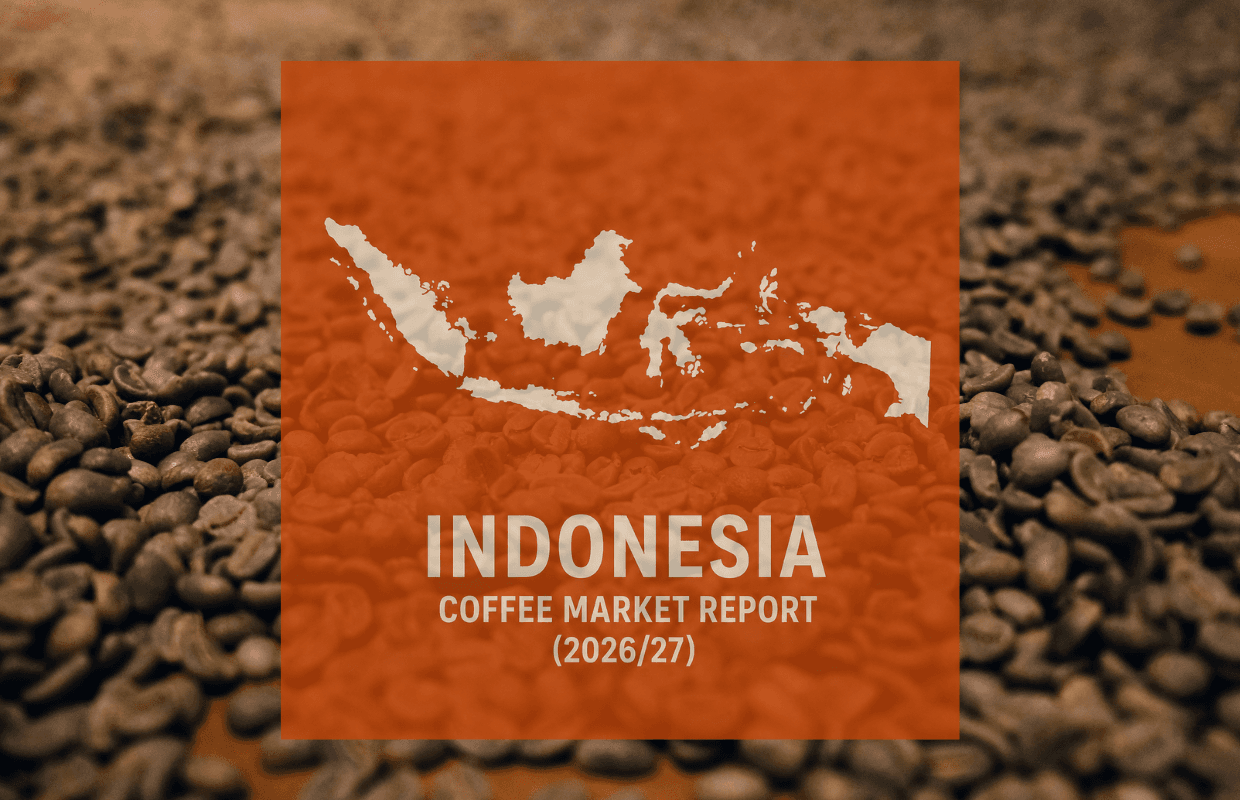
The next wave of Sumatra- and Java-linked coffees could arrive in smaller lots, with tighter pricing and a flatter flavor profile for roasters that rely on Indonesia for earthy depth and robusta punch. Indonesia’s 2026/27 coffee output is now forecast to fall 8% to 11.38 million 60-kilogram bags, a reversal that matters most for soluble coffee, espresso blends and the darker house roasts that lean on the country’s robusta base.
The U.S. Department of Agriculture Foreign Agricultural Service, in Coffee Annual ID2026-0021 published May 15, projected robusta output at 10 million bags and arabica at about 1.38 million. Exports were forecast to slide 11% to 7 million bags, while domestic consumption edged up to 4.83 million bags as local demand stayed resilient. That combination leaves less exportable coffee in the pipeline, even though Indonesia’s planted area is expected to hold steady at about 1.2 million hectares.
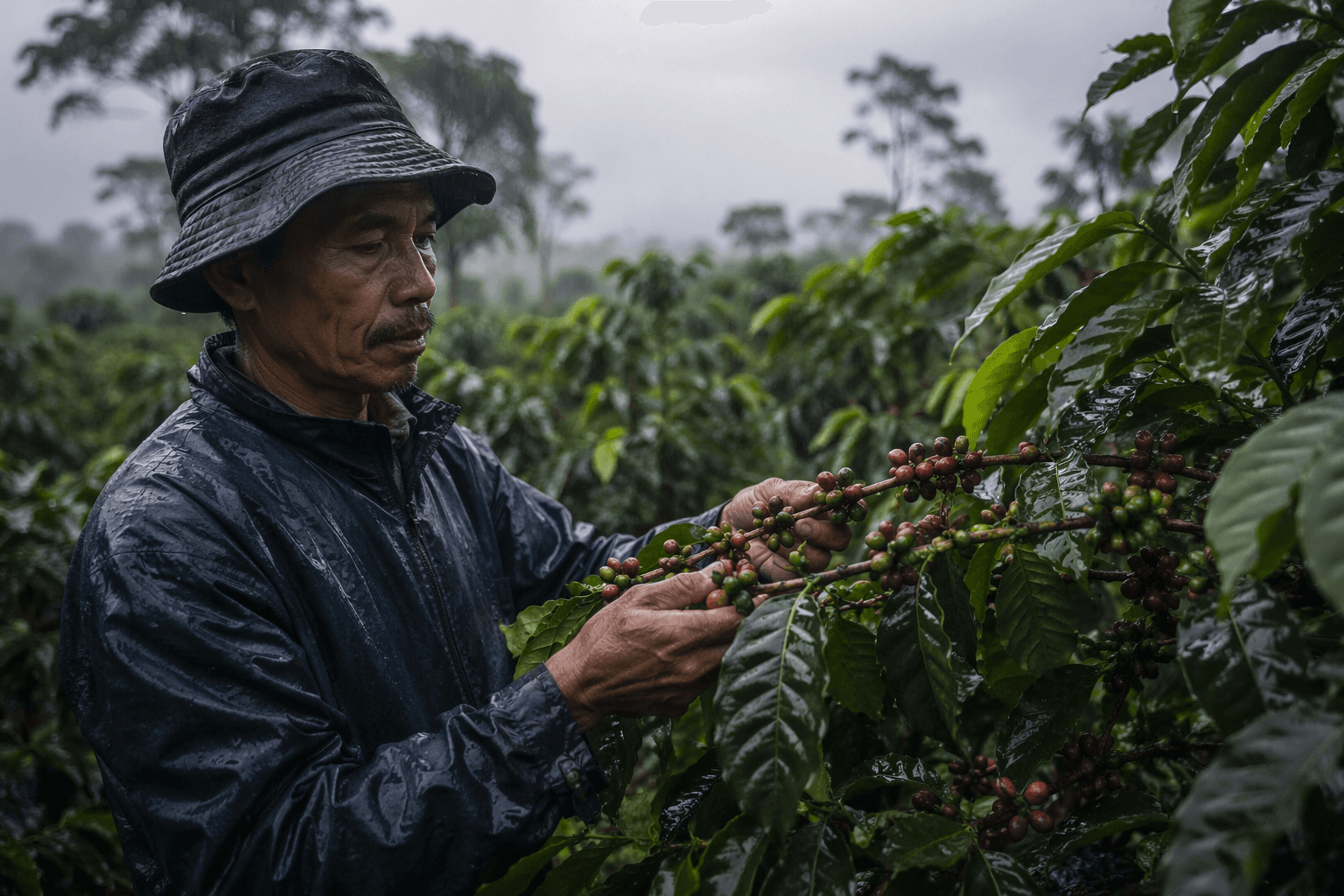
The problem is not acreage. It is weather. Excessive rainfall in mid-2025 disrupted flowering in southern Sumatra, where roughly 80% to 90% of Indonesia’s robusta output is concentrated, and heavy rain in Central Java caused flowers to drop and pollen to wash away. Those hits landed on a sector where most farms are smallholder plots of just 1 to 2 hectares, leaving little cushion when a wet season turns destructive.
For buyers, the exposure is clearest in coffees tied to southern Sumatra, Java and other robusta-heavy origins. Sumatra accounts for about 60% of Indonesia’s coffee area, and the region’s output can shape everything from commodity pricing to the texture of café blends. If robusta stays tight, roasters may have to protect existing contracts, trim volumes on Indonesian components or accept less consistency in blends that depend on that signature dark, woody cup.

Arabica is also under pressure. Flooding and landslides linked to Tropical Storm Senyar damaged plantations and infrastructure in Aceh and North Sumatra, and some plots in Aceh may need two to three years to recover. The USDA also flagged a possible drier dry season later in the year if El Niño strengthens, adding another layer of risk to an already stretched supply chain.

The new outlook is a clear turn from last year, when the USDA had expected production to rise 5% to 11.3 million bags. World Coffee Research says nearly 70% of Indonesia’s coffee area still needs renovation or rehabilitation, which helps explain why a season of rain can move so quickly from weather problem to market problem. For anyone buying Indonesian coffee, the change may show up first as fewer lots, then as higher prices, and finally as cups that taste just a little less abundant.
This article was produced by Prism’s automated news system from verified source data, official records, and press releases, then run through automated quality and moderation checks before publishing. The system is built and supervised by the people who set the standards it runs under. Read our full AI policy.
Did this article answer your question?