Justice Department investigates Poetica Coffee over alleged discrimination
DOJ opened a civil rights probe after Poetica said it would refuse Dan Goldman service, turning a café dispute into a Title II test case.
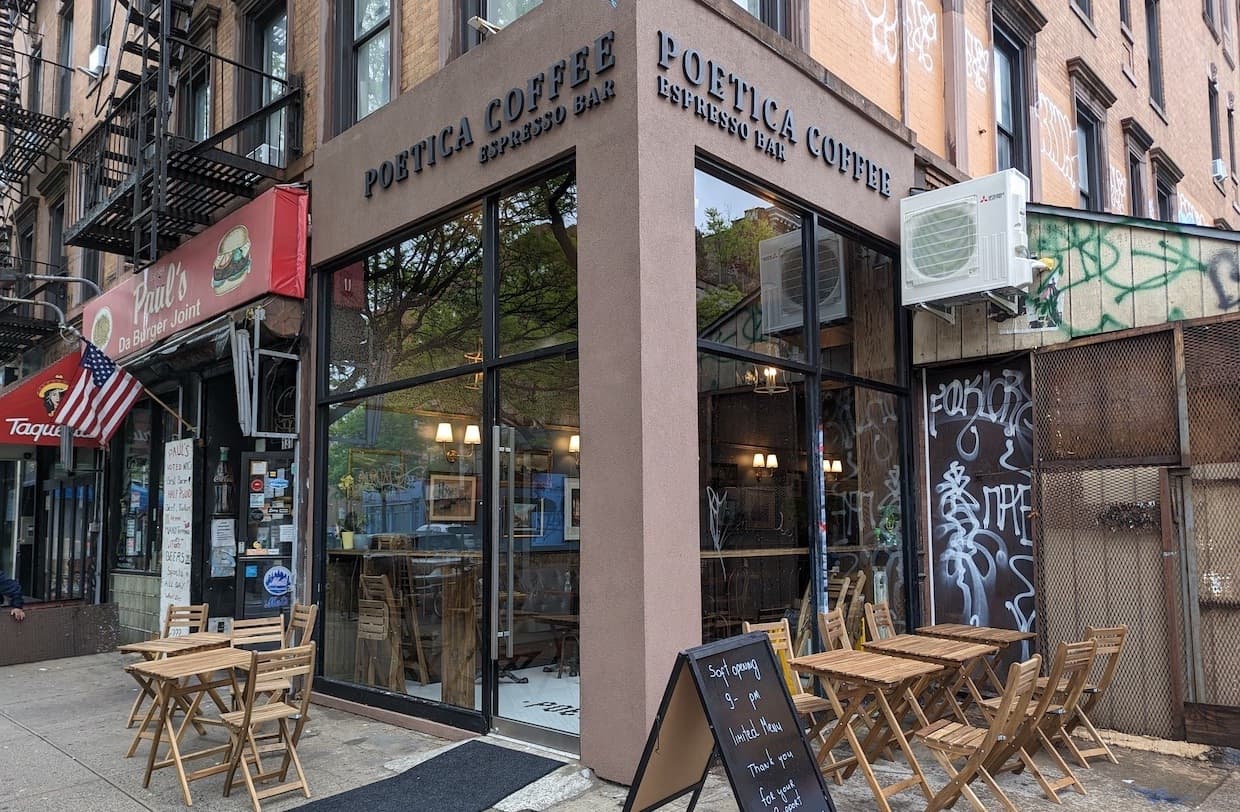
The U.S. Department of Justice opened a civil rights investigation into Poetica Coffee after the Brooklyn-based chain said it would refuse future service to Rep. Dan Goldman of New York. The dispute widened after a now-deleted social media post showed Goldman at one of the company’s cafés and said staff would have turned him away had they recognized him.
Poetica then added broader political language that referenced what it called genocide, racists and fascists, pushing the fight beyond a single customer incident and into the sharper territory of civil rights law and brand politics. Assistant Attorney General for Civil Rights Harmeet Dhillon said on X that public accommodations such as coffee shops cannot discriminate against patrons on the basis of race, religion or national origin, and that the Civil Rights Division would act if warranted.

Title II of the Civil Rights Act bars discrimination in places of public accommodation, including restaurants and other businesses serving food on premises, on the basis of race, color, religion or national origin. The Justice Department says its Civil Rights Division can investigate reports of harassment or discrimination in those spaces, putting independent cafés squarely within the legal boundaries now at issue for Poetica.
The chain is no small neighborhood project. Poetica says it now operates seven locations across Brooklyn and the East Village, on Smith Street, Prospect Ave, Lorimer Street, Prospect Park West, 7th Ave, Kent Ave and 2nd Ave, plus a Poetica truck. It says founder Parviz Mukhamadkulov opened the first café on Smith Street in 2020 during lockdown, and that the company is built around the Uzbek concept of mehmon, or sacred guest.
That hospitality pitch is part of what makes the current backlash so stark. Poetica says it partners with local organizations on refugee resettlement and employment in Brooklyn, keeps shelves of banned books in every location, and hosts curated poetry nights and readings with Books Are Magic. The brand also frames its cafés as neighborhood hubs rooted in the Uzbek mahalla tradition, a public identity that now sits uneasily beside a federal probe over exclusion.
The escalation also lands in a wider enforcement climate. In June 2025, the Justice Department sued Jerusalem Coffee House in Oakland over alleged discrimination against Jewish customers, and in June 2026 it announced investigations involving CUNY and Arizona State University. Poetica also said it had received death threats through Instagram, and Yelp temporarily disabled reviews on its listings under a policy aimed at limiting review bombing tied to public attention rather than firsthand customer experience.
The timing made the fallout even louder in New York politics. On June 23, 2026, Brad Lander defeated Goldman in the Democratic primary for New York’s 10th Congressional District, underscoring how quickly one café’s statement became tangled with the city’s broader fights over Israel, Gaza and who gets to draw the line between values, service and discrimination.
This article was produced by Prism’s automated news system from verified source data, official records, and press releases, then run through automated quality and moderation checks before publishing. The system is built and supervised by the people who set the standards it runs under. Read our full AI policy.
Did this article answer your question?