Kerry enzyme gets EFSA nod to cut acrylamide in coffee
EFSA’s green light for Kerry’s Acrylerase puts a new question in front of coffee makers: can acrylamide come down without blunting flavor?

Kerry has put a sharper tool into coffee processing’s clean-label argument. The company said the European Food Safety Authority issued a positive scientific opinion on Acrylerase, an enzyme Kerry describes as the first commercially available amidase food enzyme for coffee extracts used in instant coffee and coffee substitutes.
That matters because the trade-off has always been the same one roasters and soluble coffee makers know too well: cut acrylamide, but do not flatten the cup. Kerry said Acrylerase is designed to decompose acrylamide after it forms, instead of only lowering precursor compounds or leaning on process changes alone. CoffeeTalk reported that the ingredient can be folded into existing processing workflows without adding extra unit operations, a detail that will catch the eye of manufacturers trying to avoid new complexity on the plant floor.
The regulatory pressure behind the launch is real. The European Union’s Commission Regulation (EU) 2017/2158, which entered into force in April 2018, requires food business operators to apply mandatory mitigation measures and to monitor benchmark levels for acrylamide. EUR-Lex materials note that acrylamide forms in coffee and coffee substitutes when foods are fried, roasted or baked above 120°C, which puts coffee squarely inside the problem space. The Commission and EUR-Lex also characterize acrylamide as a carcinogenic contaminant and a substance of concern.

Kerry’s pitch is not just that Acrylerase may help with compliance, but that it may do so without forcing manufacturers to sacrifice quality. The company said its acrylamide-reduction products are designed to have no impact on taste, texture, aroma or yield, and that its broader portfolio can reduce acrylamide by up to 90% in crackers and up to 85% in infant biscuits. In coffee, that claim is especially sensitive, because the chemistry happens after roasting, when much of the sensory profile has already been built.
EFSA’s role gives the story another layer. The authority treats food enzymes as food improvement agents under EU regulation, and its online portal tracks risk assessments from dossier receipt to adoption of an output. Kerry framed the opinion as an important advance under one of the world’s most rigorous regulatory systems, and for coffee makers that may be the most interesting part: a compliance tool that is trying hard not to sound like one.
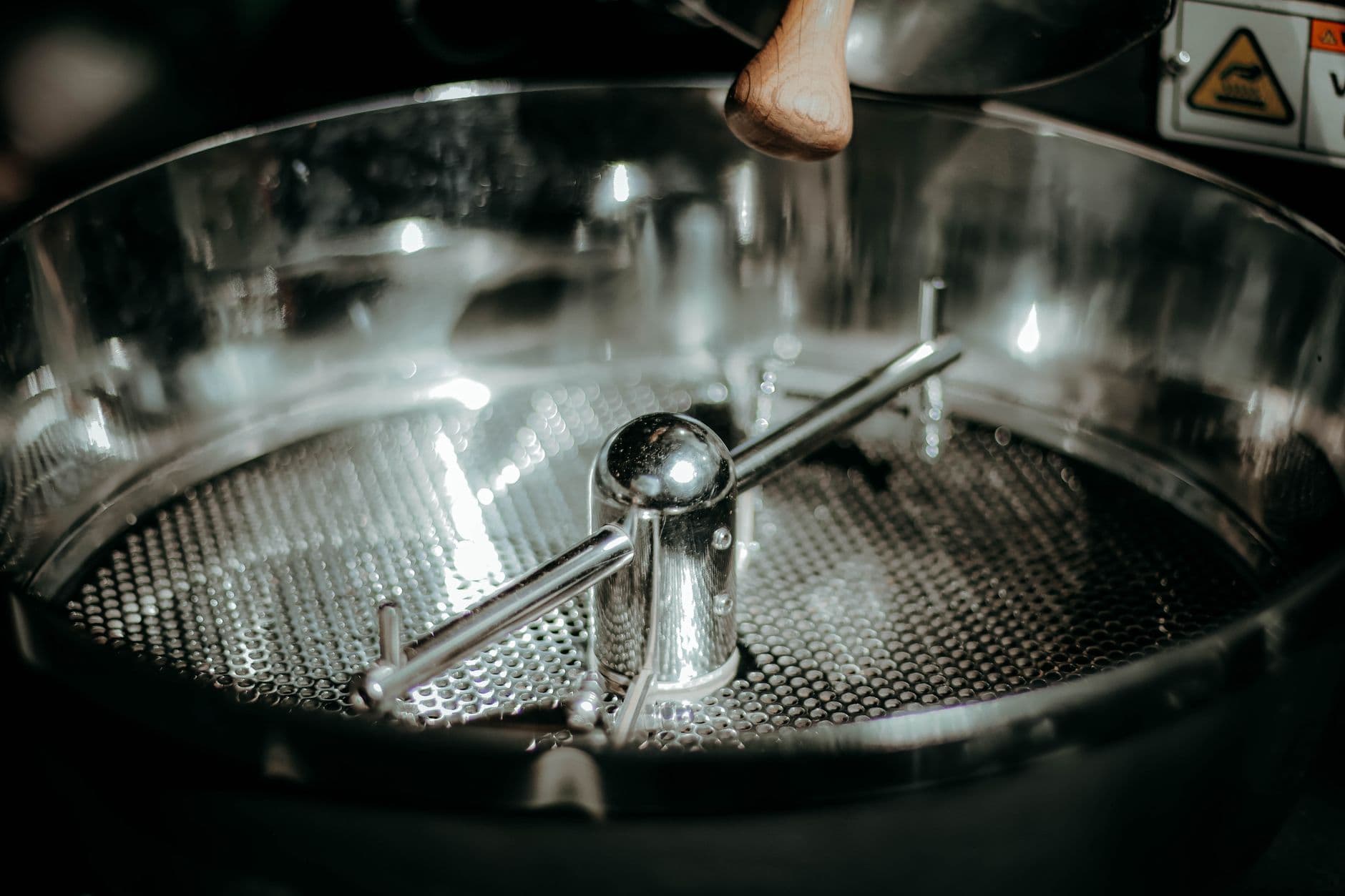
For roasters, instant coffee brands and cautious consumers, the promise is straightforward. If Acrylerase can cut acrylamide while leaving taste, aroma, yield and throughput intact, it would mark a rare processing win that does not ask the cup to pay for it.
This article was produced by Prism’s automated news system from verified source data, official records, and press releases, then run through automated quality and moderation checks before publishing. The system is built and supervised by the people who set the standards it runs under. Read our full AI policy.
Did this article answer your question?