Kew researchers push recognition of coffee hybrid Coffea × libex
Kew wants a long-overlooked liberica-excelsa cross formally named Coffea × libex, as climate stress pushes coffee toward hardier genetic options.
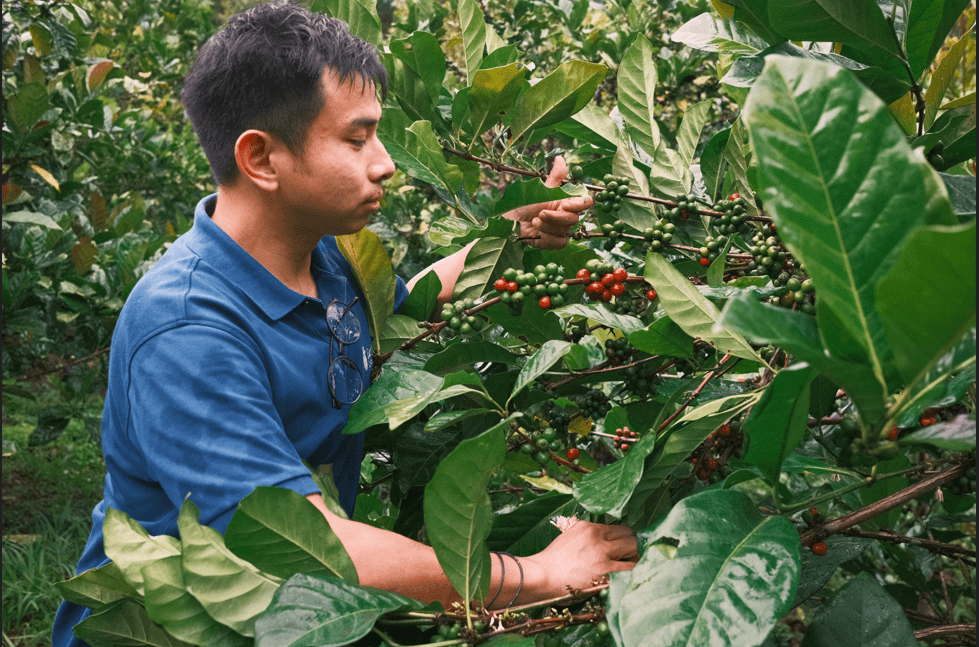
At Royal Botanic Gardens, Kew, researchers are pushing a coffee cross into the light that has been hiding in plain sight for years: a liberica-excelsa hybrid they want formally recognized as Coffea × libex. The point is bigger than a naming exercise. As heat, rainfall volatility and disease pressure tighten their grip on coffee-growing regions, Kew scientists are arguing that this cross could become part of the industry’s search for alternatives to arabica and robusta, which still make up more than 99.99% of global coffee output.
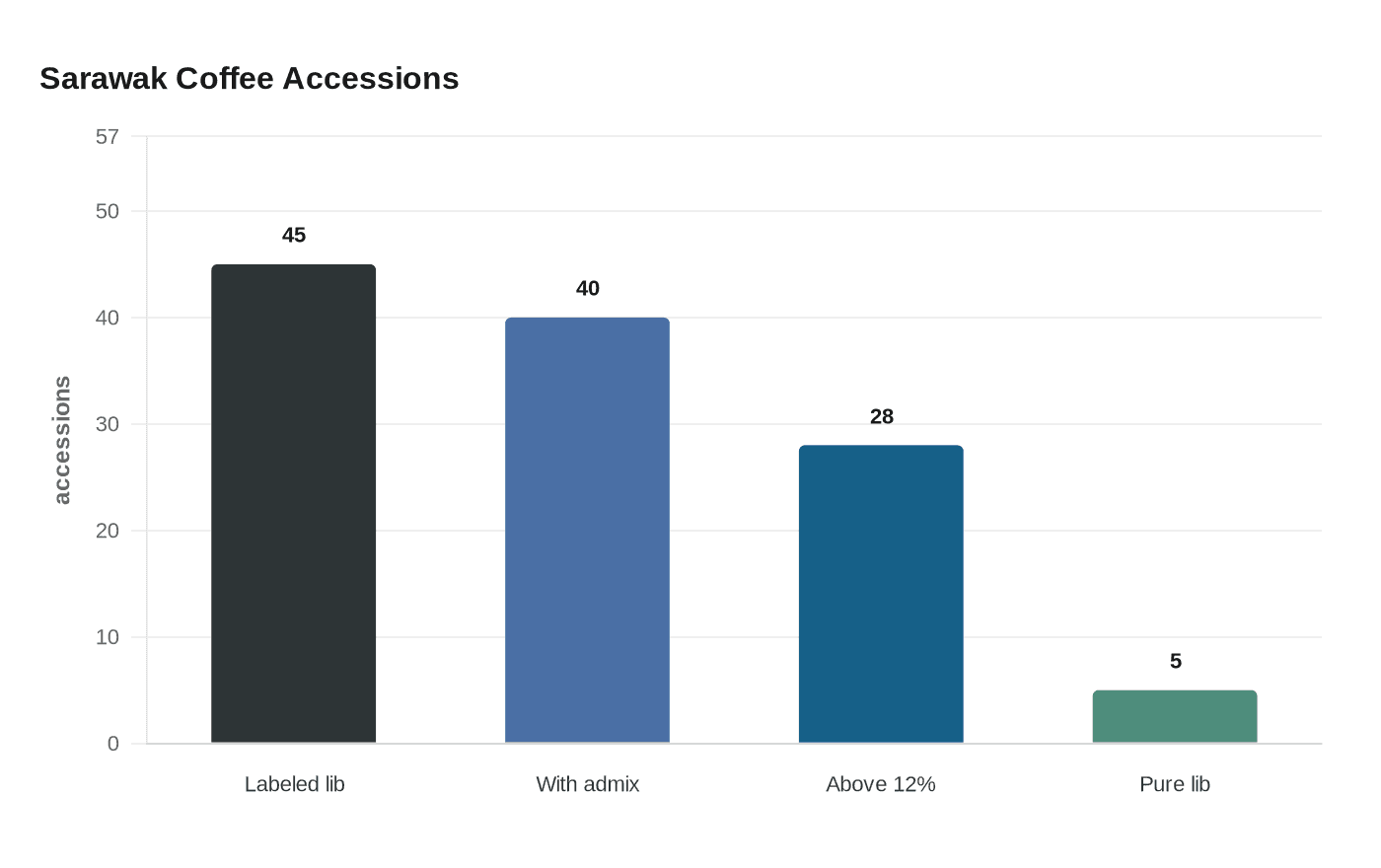
The case rests on a paper that first appeared as an early-access study in Scientific Reports on May 14. Using 7,618 single nucleotide polymorphisms from 113 plant samples collected from farms and germplasm collections on three continents, the team found extensive hybridization between liberica and excelsa, even though the species’ wild populations are geographically separated. In Sarawak, Malaysia, where the hybrid has been grown for years without being clearly identified, the genetics were especially messy: of 45 accessions labeled as liberica, 40 showed measurable excelsa admixture, 28 were above 12% admixture, and only five were genetically pure liberica.
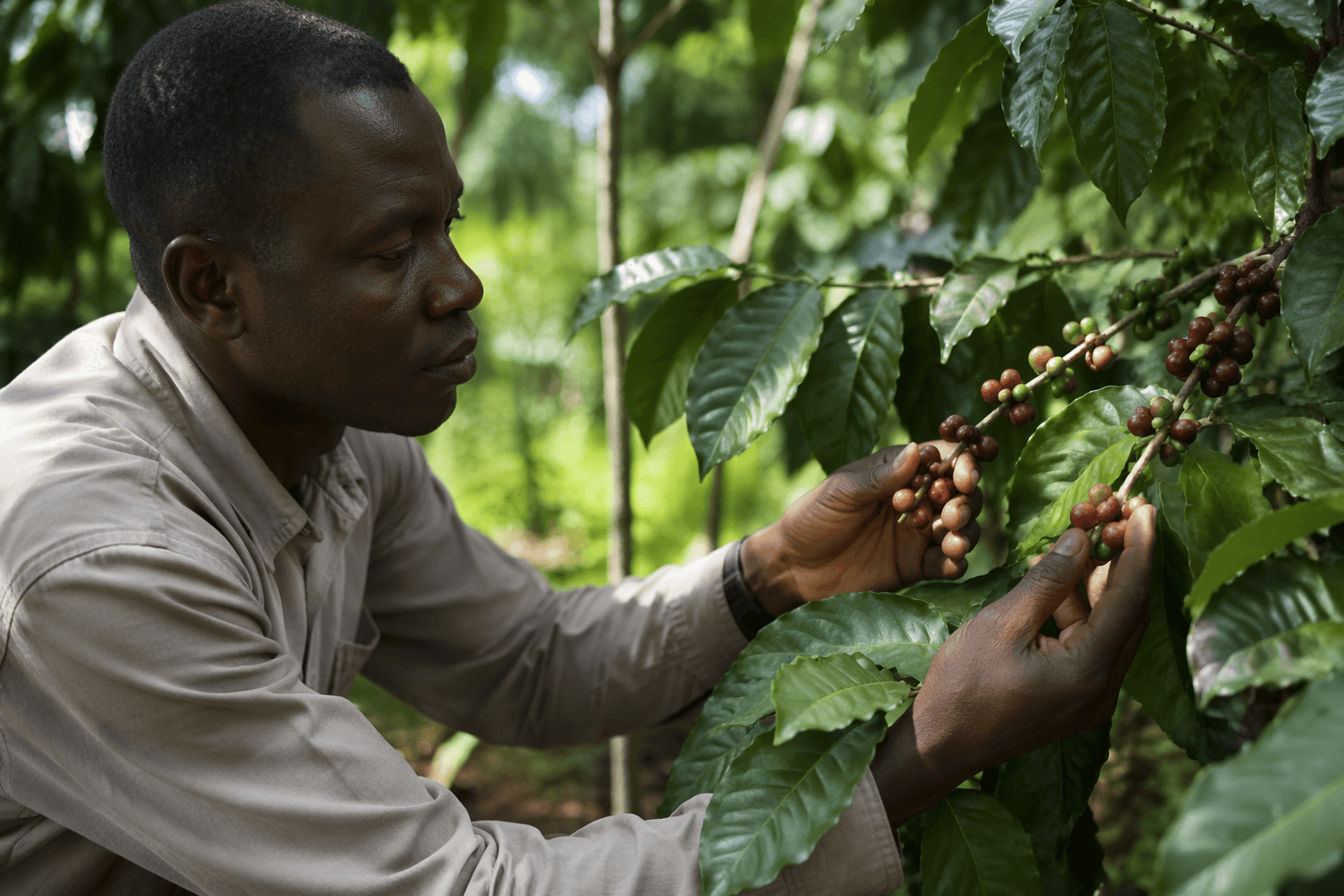
That matters because the paper is not just about taxonomy. Field observations suggested that plants with higher excelsa admixture had more flowers and fruits per branch, thinner fruit pulp and smaller seeds than typical liberica. Those traits could translate into better yield, lower processing costs and improved outturn, all practical wins for growers if climate pressure keeps narrowing the crop’s options. The study does not put a cup profile on libex yet, but it does sketch the traits that could shape one later, long before anyone is pulling shots from it at home or in a café.
The hybrid was not confined to one corner of Borneo. The researchers also found admixed plants in India, Indonesia, Costa Rica and Uganda, a sign that hybrid seeds and plants may already have spread widely through coffee networks. Aaron P. Davis, who helped define liberica and excelsa as separate species in a 2025 Nature Plants study, is now using this work to argue for a broader coffee genetic toolkit before climate stress makes that toolkit harder to build. If Coffea × libex gets its name, the real test comes next: whether this cross can move from farm rows and collections into the breeding lines that eventually reach roasters, and maybe, much later, the home brewer.
This article was produced by Prism’s automated news system from verified source data, official records, and press releases, then run through automated quality and moderation checks before publishing. The system is built and supervised by the people who set the standards it runs under. Read our full AI policy.
Did this article answer your question?