Kona coffee growers rebuild water systems after earthquake damage
A 6.0 quake knocked out catchment systems across the Kona coffee belt, leaving growers without water just as they were still recovering from $40 million in storm damage.
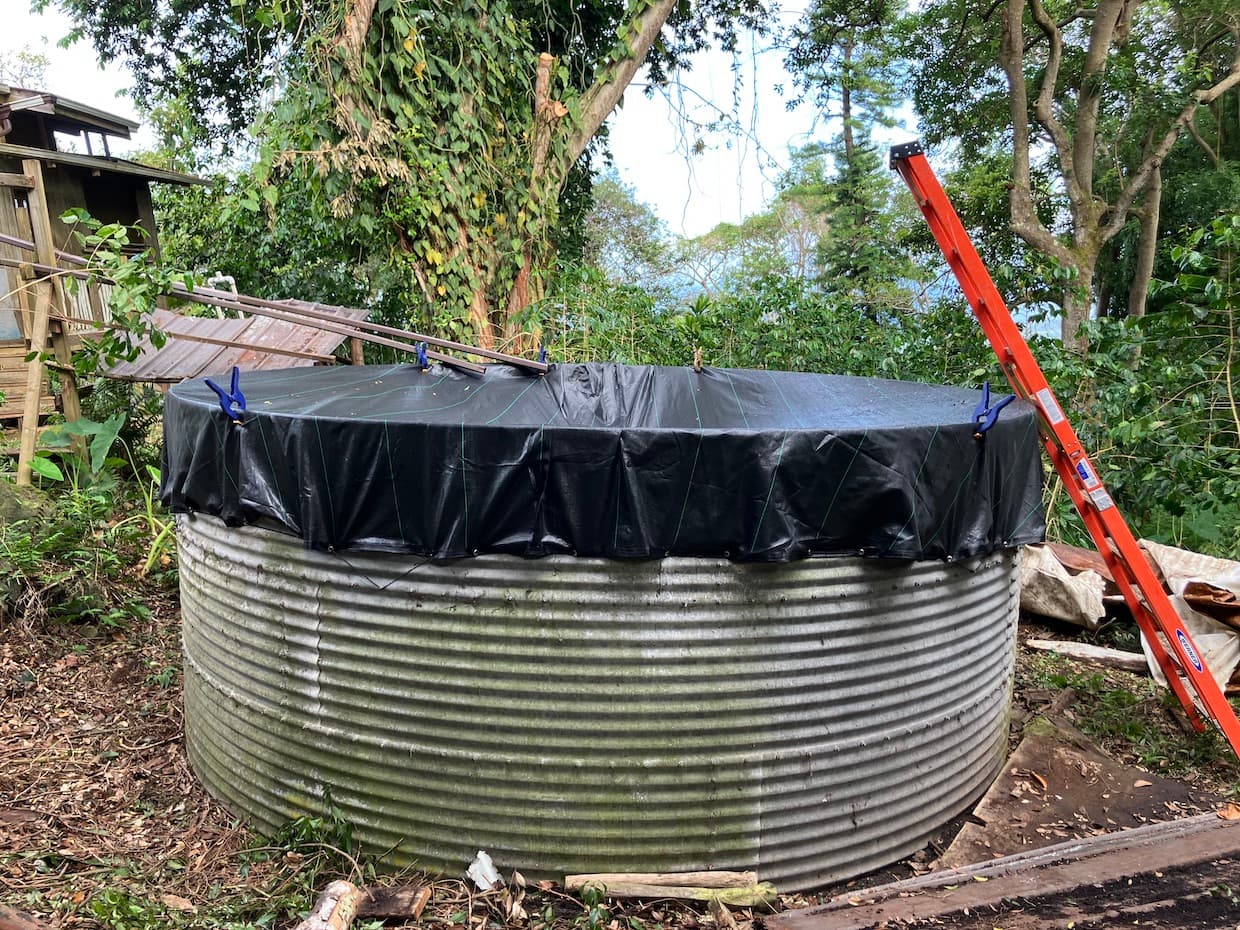
The quake did not just crack walls in South Kona. It knocked out the water systems that keep coffee farms and homes running, leaving growers in the Kona coffee belt scrambling to protect crops, tanks and the next harvest. The 6.0-magnitude earthquake struck on May 22 at 9:46 p.m., and the damage landed in a year already shaped by back-to-back Kona low storms and a long list of recovery work.
At Kanalani Ohana Farm in Honaunau, Colehour Bondera and Melanie Bondera said the quake damaged their water catchment system and forced nearly two weeks of repairs to the tank lining. The roof over the water tank still has to be rebuilt from scratch, and the family says it does not have the money to do it. Their insurance did not cover earthquake damage, adding a fresh financial hit to a farm that has operated since 2001 and grows and roasts its own Kona coffees.
That loss of water matters far beyond one property. Up to 500 farmers and others in Kona’s coffee belt reportedly lost their primary source of water after the earthquake, and Hawaii County Civil Defense had received more than 400 damage reports in the aftermath. In Captain Cook, a May 28 community meeting focused heavily on repairing or replacing water tanks, one of the clearest signs that the quake had become an access-to-water crisis, not just a cleanup job.

The pressure is especially severe in Kona, where rainwater catchment is a foundation of daily life and farm operations. The University of Hawaii’s College of Tropical Agriculture and Human Resources estimates that 30,000 to 60,000 people in Hawaii depend on rainwater catchment systems, with the largest concentration of users on Hawaii Island in Puna, Kaū and Hāmākua. Vibrant Hawaii said it had received about 80 responses in the days after the quake, while local officials continued taking stock of damage concentrated in Kaū, North Kona and South Kona.
For the Bonderas, the water problem arrived on top of other production threats. The farm is also dealing with coffee berry borer pressure, coffee leaf rust and the kind of compounding costs that can slow recovery long after the ground stops shaking. The family has leaned on intercrops such as avocados and cacao to diversify income, but the quake exposed how much Kona coffee still depends on fragile roof-catchment infrastructure.
The South Kona earthquake followed March’s Kona low storms, which were described as the worst flooding in Hawaii in two decades and caused an estimated $40 million in agricultural land damage. More than 230 rescues were reported statewide, and FEMA set a June 14 deadline tied to the storm recovery process. For Kona growers, the latest damage pushed the same hard truth to the front again: the harvest recovery starts with water, and the water starts with the tank.
This article was produced by Prism’s automated news system from verified source data, official records, and press releases, then run through automated quality and moderation checks before publishing. The system is built and supervised by the people who set the standards it runs under. Read our full AI policy.
Did this article answer your question?