London Coffee Festival grows, but the mood turns more realistic
Exhibitors climbed to 275 at the Truman Brewery, but the real story was a coffee floor leaning harder into efficiency, specificity and survival.

The London Coffee Festival filled The Truman Brewery in East London from May 14 to 17, 2026, but the loudest signal on the floor was not simple growth. With 275 exhibitors, up from 260 in 2025, and visitor numbers expected to top last year’s record of more than 22,000, the show felt bigger and busier, yet noticeably more grounded. Trade visitors came through on Thursday and Friday before the weekend opened to the public at the festival’s F Block G1 site on Ely’s Yard, London E1 6QR.
That shift in mood mattered because the London Coffee Festival still presents itself as a barometer for the UK and European specialty scene, a coffee and hospitality event built around London’s specialty coffee culture and creative subcultures. In 2025, the festival said it drew over 22,000 visitors and featured 275 artisan coffee and gourmet food brands, so this year’s expanded exhibitor count only sharpened the sense that the category is still active. What changed was the tone. The industry no longer sounded like it was chasing the next big surge so much as figuring out how to keep margins, staffing and product decisions under control.

That pragmatism showed up in the product mix. Matcha was still everywhere, but it had become more segmented and more serious. Premium producers were talking about single-origin sourcing, production methods and flavor specificity, a sign that the tea side of the floor was borrowing the language specialty coffee has used for years. Hojicha also gained more visibility as a lower-caffeine option with its own identity, while specialty thinking spread beyond coffee into tea and chocolate. The message was clear: origin, craft and terroir are no longer just coffee terms.
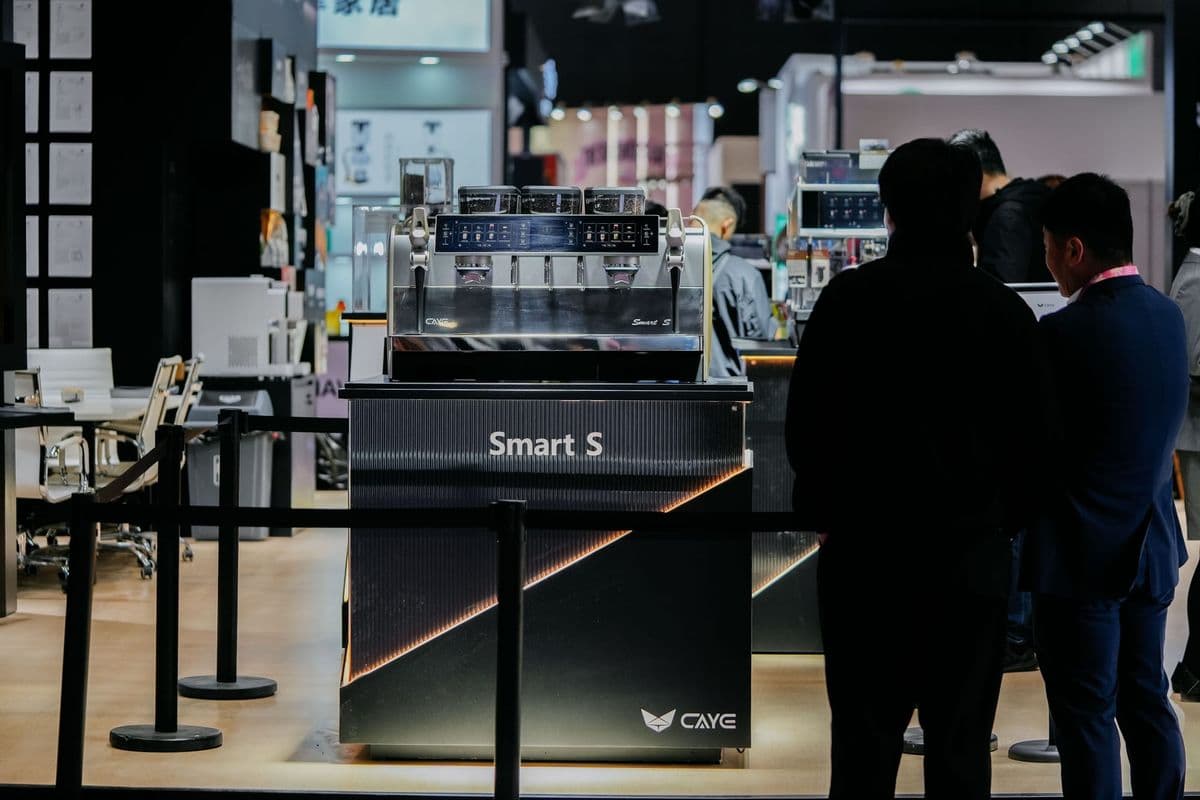
Automation ran through the conversations as well, alongside a steady push to stay lean and efficient. On a floor built for tasting and spectacle, that kind of language can feel unglamorous, but it was everywhere, from the way brands framed their products to the way they talked about operations. The programming echoed that same balance. Coffee Masters returned, Latte Art Live came back, The Coffee School with Sage held its place in the schedule, and a new Toddy Cold Brew Competition added a fresh live competition format.

By the end of the weekend, the festival still looked like a celebration, but it read more like a stress test. The crowds were larger, the categories were broader and the products were more technical, yet the industry mood had clearly moved away from easy optimism. London showed a coffee world learning to grow while treating uncertainty as the baseline.
This article was produced by Prism’s automated news system from verified source data, official records, and press releases, then run through automated quality and moderation checks before publishing. The system is built and supervised by the people who set the standards it runs under. Read our full AI policy.
Did this article answer your question?