Long-term farm investment seen as key to coffee productivity
The farms that keep coffee flowing are the ones that keep reinvesting, long before the next harvest shows the payoff.
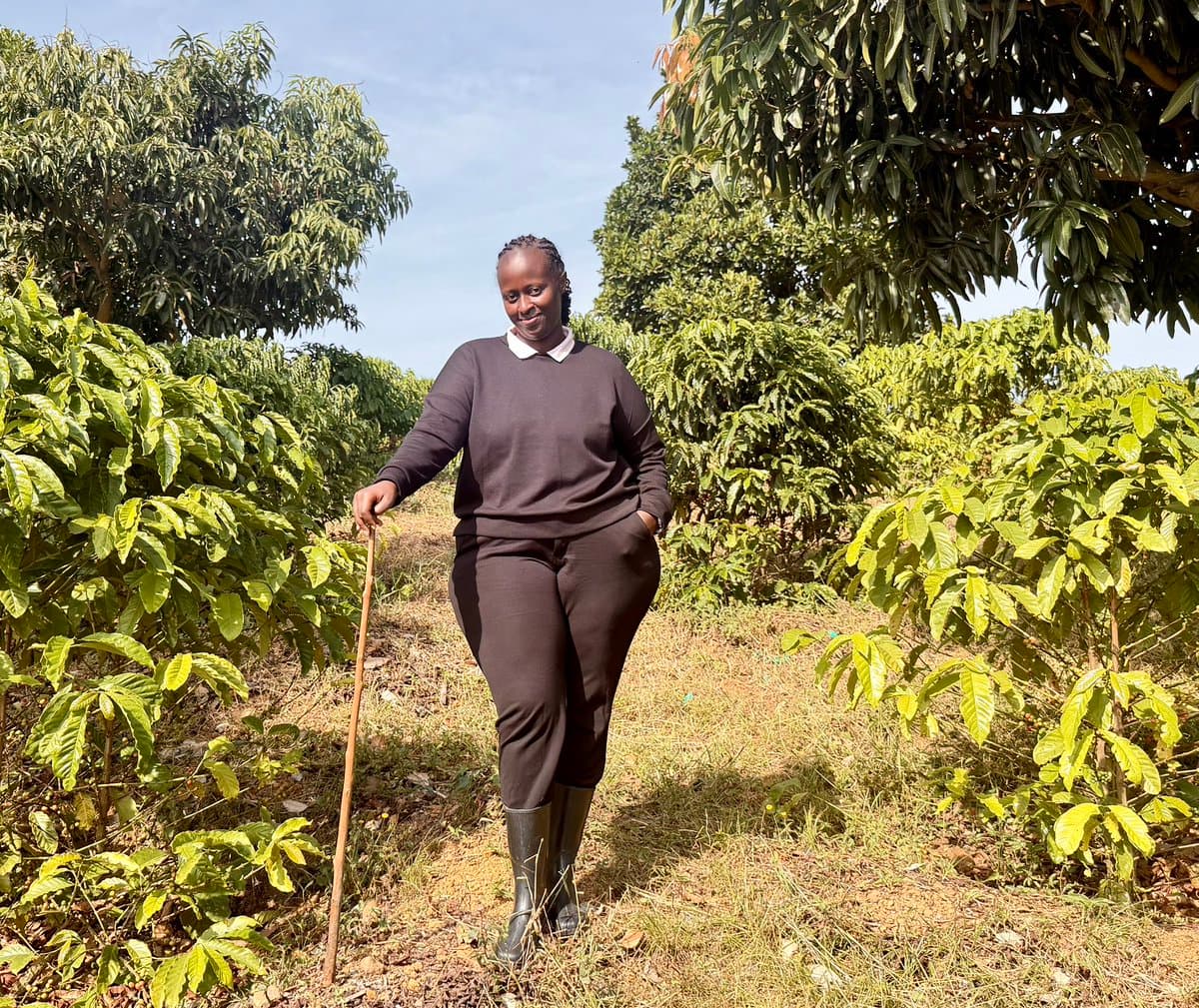
The best coffee farms do not reveal themselves at harvest. They show up in the unglamorous habits that happen in between, the years of soil care, tree renewal, and management that keep a plot productive instead of letting it slide into decline. That is the real story behind coffee productivity: long-term investment is what turns today’s decisions into next season’s cherry, and into the harvest after that.
Why productivity is really a long game
Coffee is not just a crop, it is a livelihood system. The Food and Agriculture Organization of the United Nations says coffee sustains the livelihoods of some 25 million farmers worldwide, and its newsroom puts the number of farmers depending on coffee production at more than 25 million, most of them smallholders. It also notes that nearly half of coffee-dependent people, about 5.5 million, live on less than $3.20 a day. That is why a yield bump is never just a technical win. It can change how much a farm can pay workers, how much a household can reinvest, and how much supply the wider market can count on.
The pressure is not abstract. Coffee remains exposed to climate risk and disease pressure, and the National Oceanic and Atmospheric Administration describes coffee leaf rust as the most destructive coffee disease in the world. It has negatively affected coffee production since the late 1800s, which is a reminder that the sector has been fighting the same basic vulnerabilities for more than a century. When you combine that history with today’s weather stress and thin margins, it becomes clear why neglecting a farm for even a few seasons can have a long tail.
The habits that separate strong farms from struggling ones
The most productive farms are usually not chasing a single silver bullet. They are doing a cluster of steady, practical things that make the whole system stronger. Recent research and sector reporting keep pointing to the same toolkit: rejuvenation, soil care, mulching, composting, shade management, fertilizer management, and farm renovation.
A recent Enveritas project summary captured the problem in plain language: across smallholder coffee communities, yields persistently fall short of what the land can produce because aging trees, depleted soils, and insufficient on-farm investment hold them back. That combination is deadly over time. Old trees may still bear fruit, but they often do so less reliably, while tired soils make every other input less effective.

In practice, the farms that hold their productivity together tend to treat maintenance like a core part of farming, not a side task. That means replacing worn-out trees before the whole block declines, keeping organic matter on the soil, and using fertilizer with more discipline so nutrients actually support plant growth instead of disappearing to waste.
- Rejuvenation and renovation keep tree age from becoming a ceiling on output.
- Mulching and composting protect moisture and rebuild soil health.
- Shade management helps farms buffer heat and erratic weather.
- Integrated fertilizer management makes nutrients more efficient and less reactive.
- Routine field management catches problems before they become permanent yield losses.
These are not glamorous fixes, but they are the difference between a plot that keeps performing and one that quietly falls behind.
Why shade and regenerative farming keep coming up
One of the clearest signals from recent research is that coffee resilience is increasingly tied to how the farm is structured, not just how much is sprayed or harvested. A 2025 Frontiers review found that agroforestry reduced climate-related yield loss, pest and disease incidence, and quality degradation in coffee systems. In coffee terms, that is a big deal. Agroforestry is not just about trees on a farm; it is about building a production environment that can soften weather extremes, lower pressure from pests and disease, and protect cup quality when conditions get rough.
That is also why regenerative agriculture keeps appearing in the coffee conversation. Nestlé’s 2024 progress report describes regenerative agriculture in coffee as including soil protection, integrated fertilizer management, and farm renovation. Those pieces matter because they address the whole production base at once. Protect the soil, manage nutrients carefully, and renovate the farm when trees or blocks are past their best years, and the farm has a better chance of staying productive instead of shrinking from the inside out.
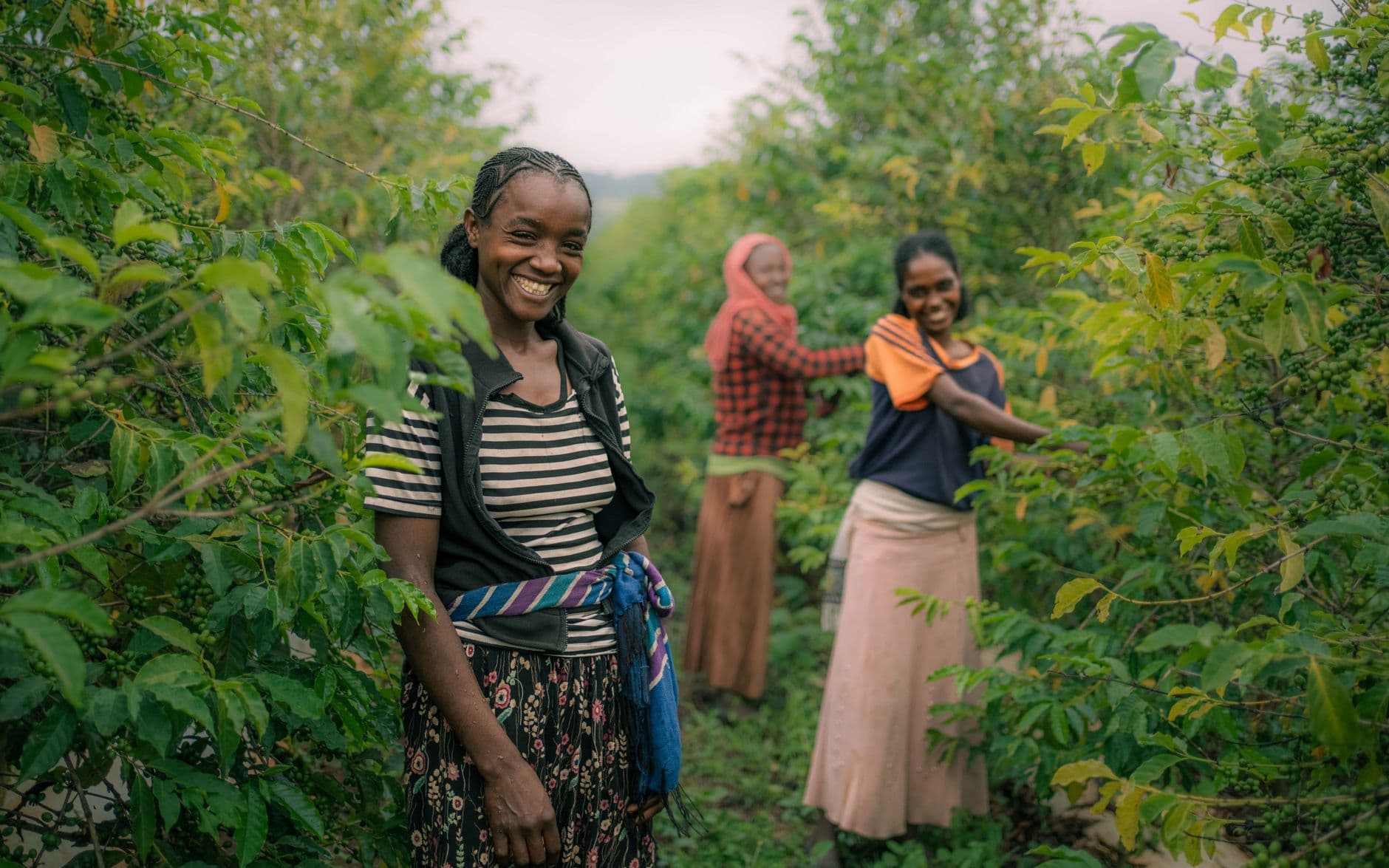
The pattern here is easy to miss if you only look at one season. Shade, soil cover, and renovation do not always deliver instant spectacle. What they do deliver is durability, and in coffee, durability is often the hidden ingredient behind quality.
What the sector is signaling now
The International Coffee Organization’s Annual Review 2024/25 points to the sector’s current challenges and the need for stronger international coordination. That lines up with what farmers and buyers already feel on the ground: productivity problems are not isolated farm problems, they are supply-chain problems. When aging plantations, weak soils, and disease pressure spread across producing regions, the result is less stable supply, more volatile quality, and more uncertainty for everyone who depends on the crop.
That is also why industry and NGO programs are leaning harder into regenerative agriculture, farmer training, and renovation efforts. These programs are trying to close the gap between what farms could produce and what they actually do produce, especially where smallholders are carrying the burden with limited cash, limited labor, and very little room to absorb another bad season. The payoff is not only more coffee. It is steadier output, better quality, and a better chance that farmers can stay in the crop long enough to benefit from the work they are putting in now.
The quiet truth in all of this is the same one that shows up in the field again and again: the farms that keep investing when nothing dramatic seems to be happening are the ones that still have productive rows years later. In coffee, the future harvest is often decided in the dull, careful work of the present.
This article was produced by Prism’s automated news system from verified source data, official records, and press releases, then run through automated quality and moderation checks before publishing. The system is built and supervised by the people who set the standards it runs under. Read our full AI policy.
Did this article answer your question?