Low Coffee Intake in Pregnancy Linked to Fewer Childhood Allergies
A Korean cohort tied light coffee drinking in pregnancy to lower odds of eczema and food allergy, but the signal was observational and small. Children’s allergy rates were high.
Coffee’s latest health headline is a tempting one, but the study behind it is more cautious than the splashy takeaway suggests. In a Korean cohort of 3,252 mother-child pairs, modest coffee intake during pregnancy was linked with lower odds of some childhood allergies, yet the researchers did not show that coffee caused the effect.
The paper, published Jan. 31, 2026 in Healthcare Informatics Research by the Ko-CHENS Study Group, tracked allergies through age 3 using caregiver reports of physician diagnoses. By 36 months, 47.8% of children had atopic dermatitis, 23.9% had food allergy, 30.2% had allergic rhinitis and 2.4% had asthma. Overall, 67.5% had at least one allergic disease.
The clearest signal showed up in food allergy. Compared with mothers who drank no coffee, those who consumed less than one serving a day had a smaller, borderline reduction in food allergy risk, with a hazard ratio of 0.86. Mothers who drank one or more servings a day had a significantly lower risk of food allergy, with a hazard ratio of 0.61, or about 39% lower. For atopic dermatitis, the lighter-intake group also showed a modestly lower risk, with a hazard ratio of 0.89. The study did not find meaningful links to asthma or allergic rhinitis.
That is where the myth-versus-evidence split matters most. The authors concluded that mild maternal coffee intake during pregnancy may be associated with a reduced risk of specific allergic diseases in early childhood, but that wording is doing real work. This was an observational cohort, not a trial, so it can point to correlation, not guidance. Coffee drinkers differed from non-drinkers in ways the paper could not fully untangle, and the authors called for deeper study into which coffee compounds, if any, might be involved.
“Modest intake” in this cohort was genuinely modest. The mothers’ coffee consumption was low overall, and average caffeine intake across the group was just 17 milligrams per day, far below the 200-milligram daily limit for pregnant women and fetuses cited in the European Food Safety Authority’s scientific opinion. EFSA says daily caffeine intakes up to 200 milligrams from all sources do not raise safety concerns for pregnant women and the fetus.
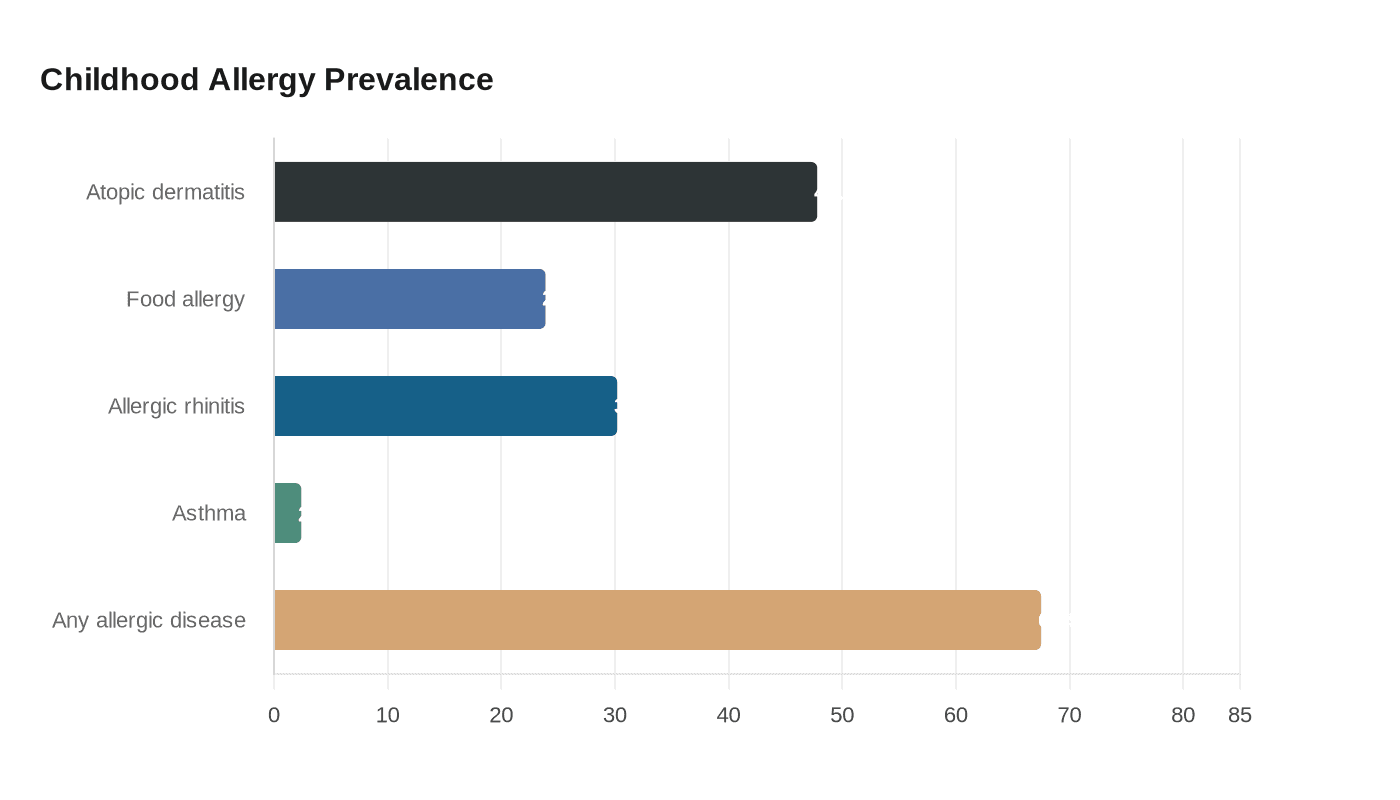
The larger context is what makes this paper interesting to coffee people: the beverage keeps turning up in health research with mixed results. A 2025 Portuguese birth cohort linked up to about 93 milligrams a day of caffeine to lower asthma odds at age 10, while a 2021 Japanese study found higher maternal caffeine intake tied to greater food-allergy risk in young children. In South Korea, where nearly one in four children under 6 has been diagnosed with an allergic condition, that range of findings keeps the conversation open, but it does not turn one study into a recommendation.
This article was produced by Prism’s automated news system from verified source data, official records, and press releases, then run through automated quality and moderation checks before publishing. The system is built and supervised by the people who set the standards it runs under. Read our full AI policy.
Did this article answer your question?