Nescafé says 53% of green coffee now comes from regenerative farms
Nescafé said 53% of its green coffee came from regenerative farms in 2025, while supply-chain emissions fell 18.3% from a 2018 baseline.
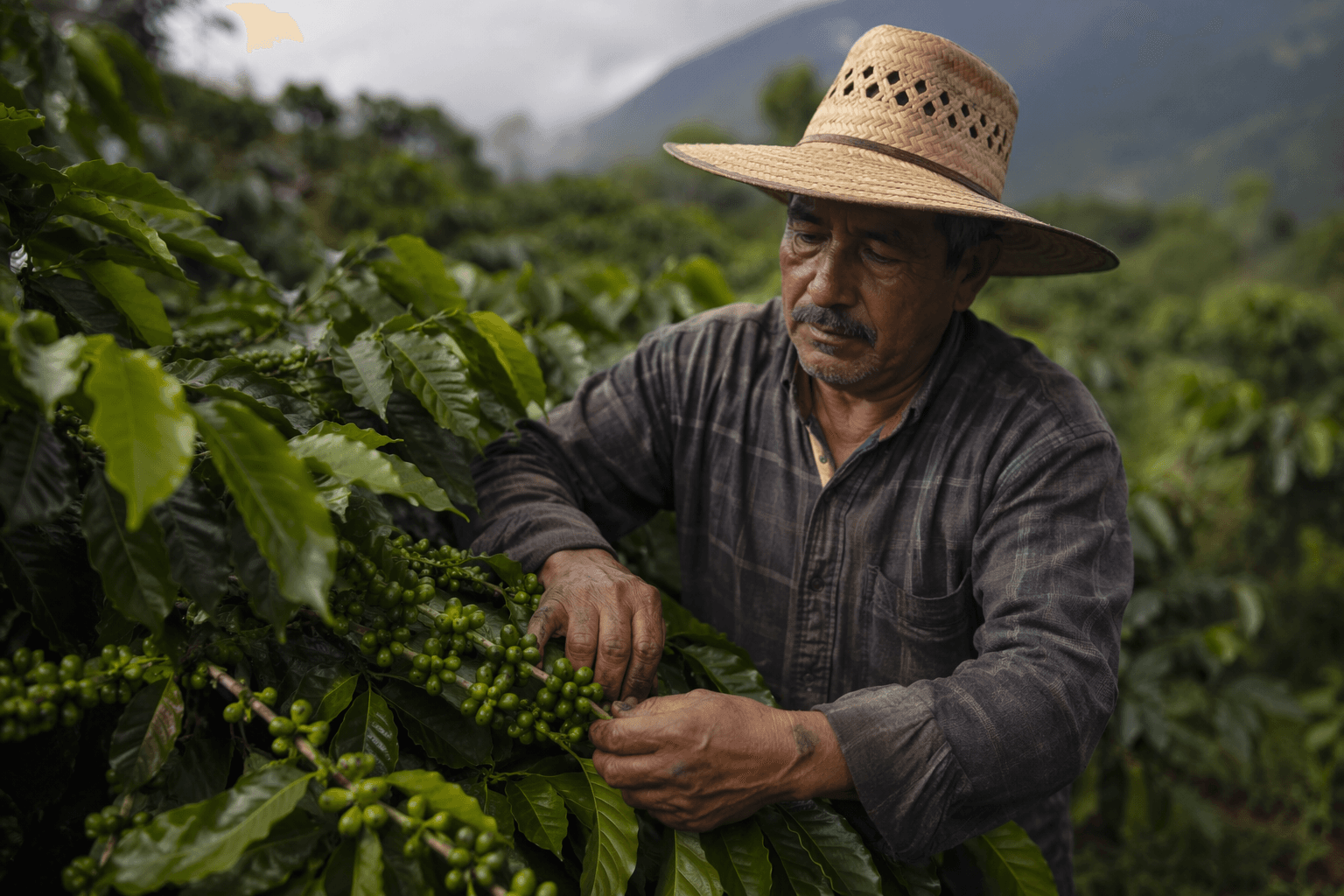
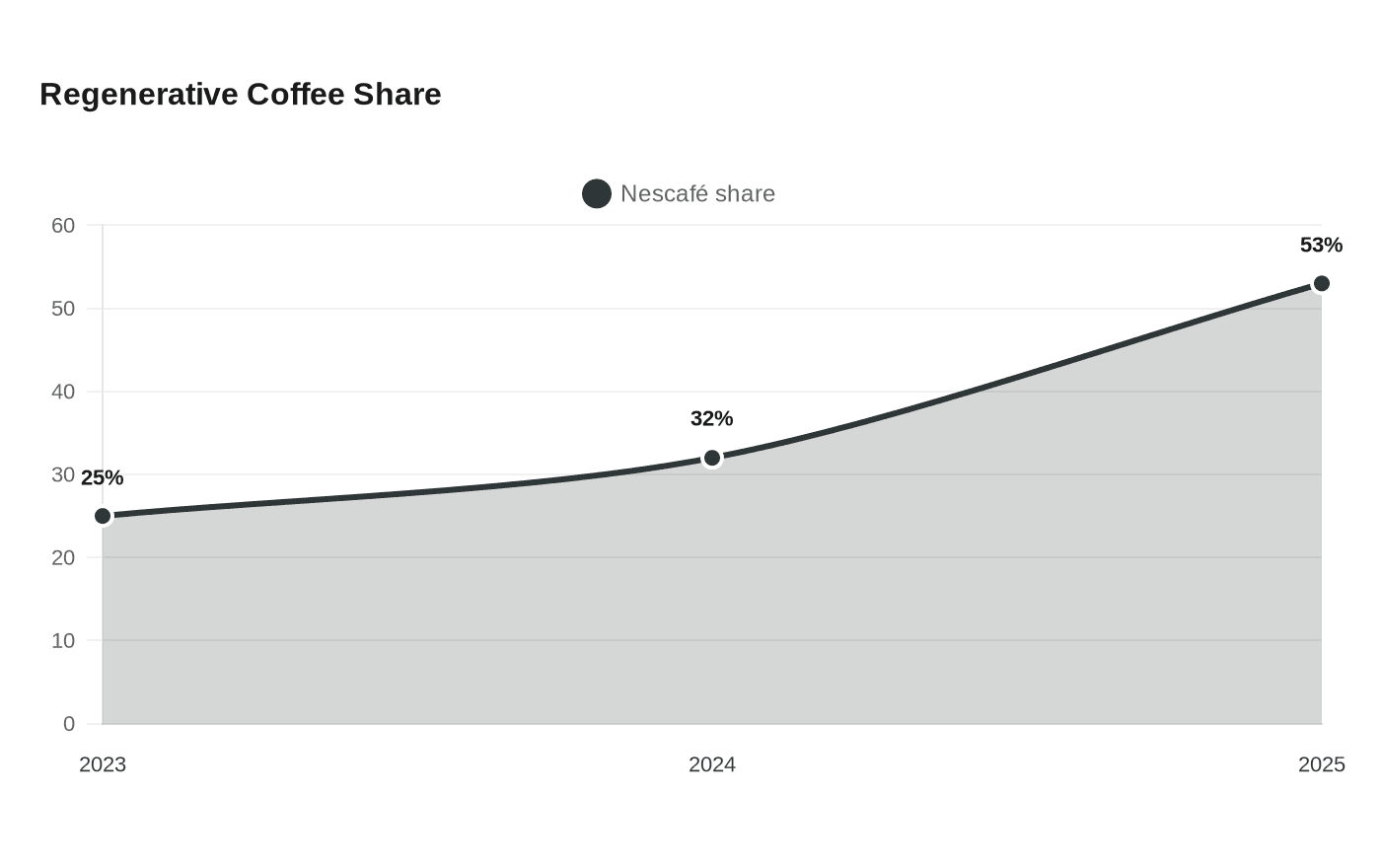
Nescafé said more than half of the green coffee it used in 2025 came from farmers adopting regenerative agriculture practices, a jump that turns its long-running sustainability push into a measurable sourcing threshold. The brand put the figure at 53%, alongside an 18.3% cut in greenhouse gas emissions from its green coffee supply chain versus its 2018 baseline.
Antje Shaw, head of sustainability for Nescafé, called the result a milestone: "With more than half of our green coffee sourced from farmers adopting regenerative agriculture practices in 2025, Nescafé has reached a major milestone." The number matters because Nescafé is Nestlé’s largest coffee brand, and its sourcing volume can shape how traders, suppliers and rivals talk about regenerative agriculture in coffee.
The 53% share also shows a sharp climb from recent years. Nestlé said 32% of Nescafé coffee came from farms using regenerative agriculture in 2024, up from 25% in 2023, and that the brand had already surpassed its 2025 goal in last year’s progress report. The longer-term target remains to source 50% of coffee through regenerative agricultural methods by 2030, while cutting greenhouse gas emissions by 50% by then.
Nestlé defined regenerative agriculture as an approach that aims to conserve and restore natural resources, especially soil, water and biodiversity, while capturing carbon in soils and plant biomass and supporting farmers’ livelihoods. In its 2025 progress report, the company said the approach is meant to improve soil health and long-term yield resilience, reduce green coffee carbon emissions, diversify farmer incomes and bolster biodiversity. Nestlé also said practices such as intercropping can open new revenue streams for growers.
The training side of the program gives the sourcing figure more scale. Nestlé said more than 100,000 coffee farmers in 15 countries received training last year on regenerative agriculture, farming economics and social topics, supported by more than 1,600 Nescafé Plan agronomists and field staff. The company said its regenerative agriculture work spans more than 500,000 farmers and 150,000 suppliers across certain supply chains through Farmer Connect.
The update landed against a harder coffee-market backdrop. Nestlé said climate change is increasing water stress, flooding and drought in coffee-growing regions, while arabica and robusta prices hit record levels in 2024 even as many farmers had less coffee to sell because yields fell. That makes Nescafé’s 53% figure more than a branding line: it is a live test of whether regenerative farming can help secure supply, protect farmer economics and keep a giant coffee stream moving under more volatile conditions.
This article was produced by Prism’s automated news system from verified source data, official records, and press releases, then run through automated quality and moderation checks before publishing. The system is built and supervised by the people who set the standards it runs under. Read our full AI policy.
Did this article answer your question?