Peru’s coffee output expected to stay nearly flat in 2026/27
Peru’s crop is set to edge up to 4.78 million bags, but rust, weak roads and scarce credit still threaten quality and export reliability.
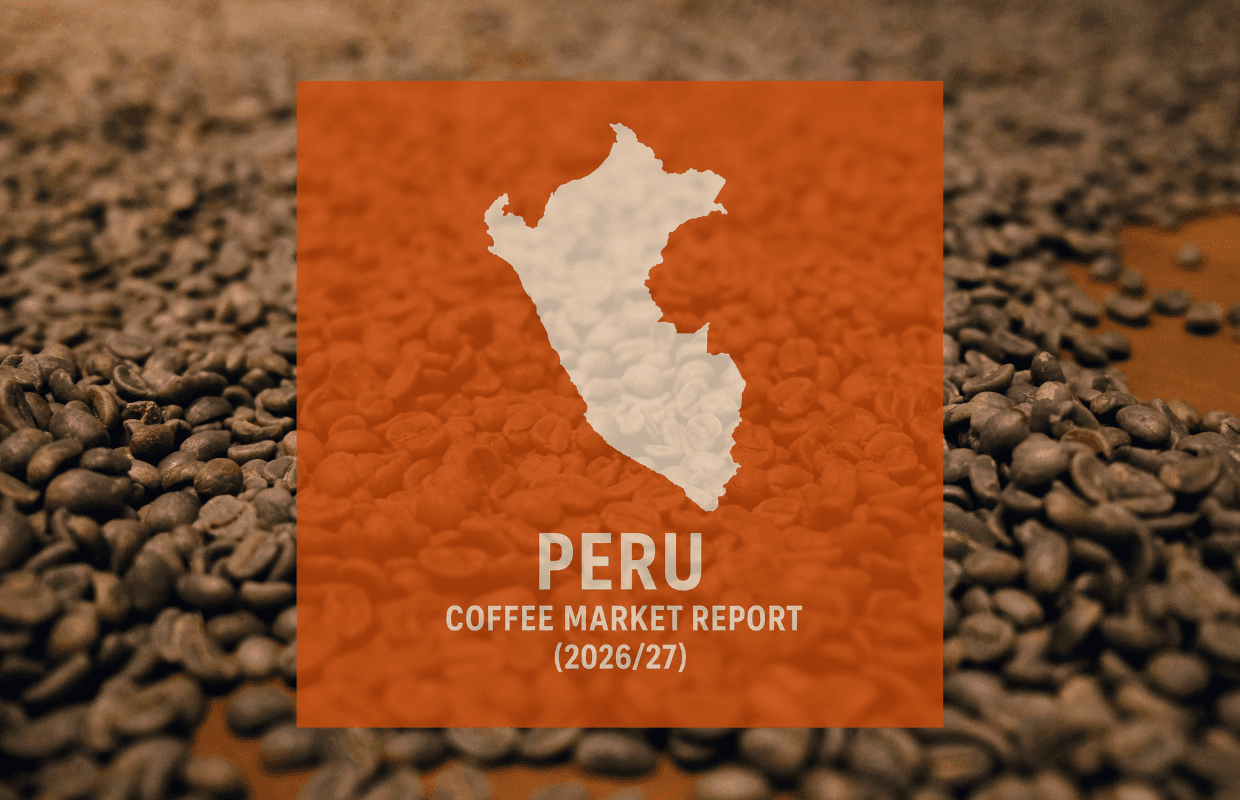
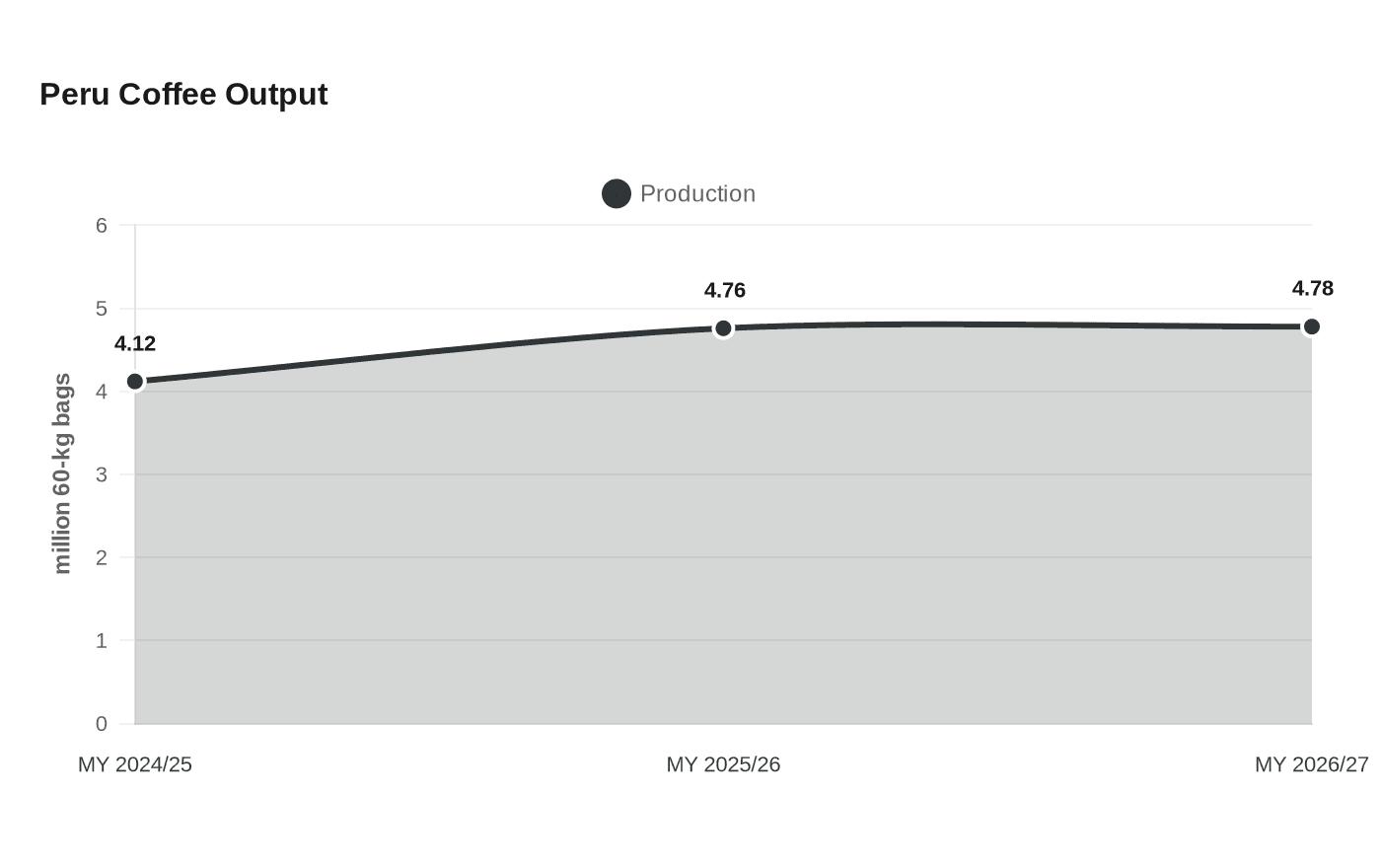
Peru’s coffee sector looks steady on paper, with green coffee production forecast to edge up just 0.3% to 4.78 million 60-kilogram bags in MY 2026/27. That is broadly unchanged from the 4.76 million bags estimated for MY 2025/26, after output rebounded from 4.12 million bags in MY 2024/25. The headline is stability, but the machinery underneath remains fragile.
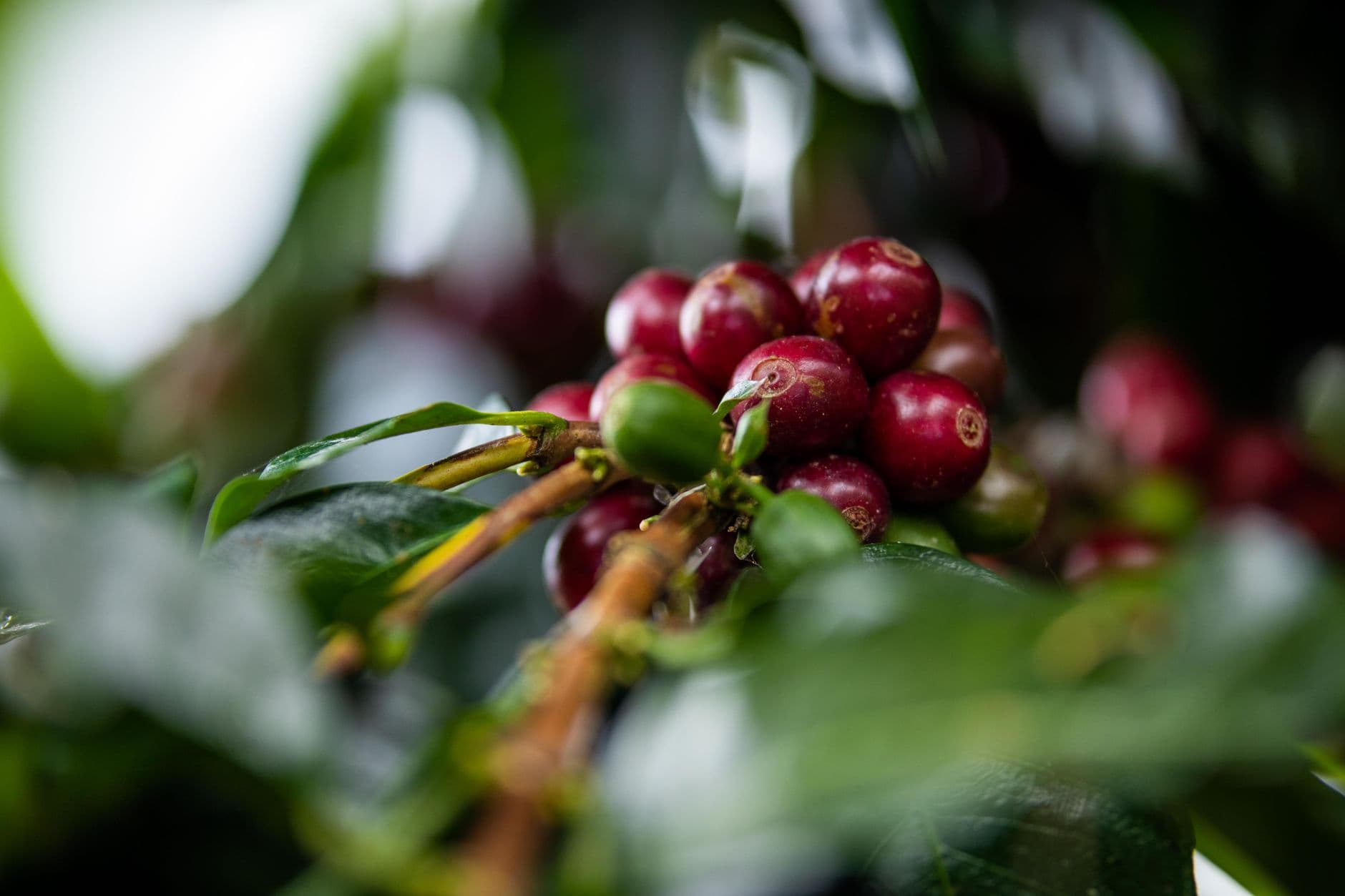
Coffee leaf rust is still the most obvious fault line. The country has lived with the disease since the 2012 to 2013 epidemic, and current reporting puts rust pressure at nearly 40% of the crop. Scientific work has also detected new races of Hemileia vastatrix in Peruvian fields, a warning sign that some rust-resistant varieties may no longer be fully effective. Coffee borer infestations remain a concern too, especially in lower-elevation areas.
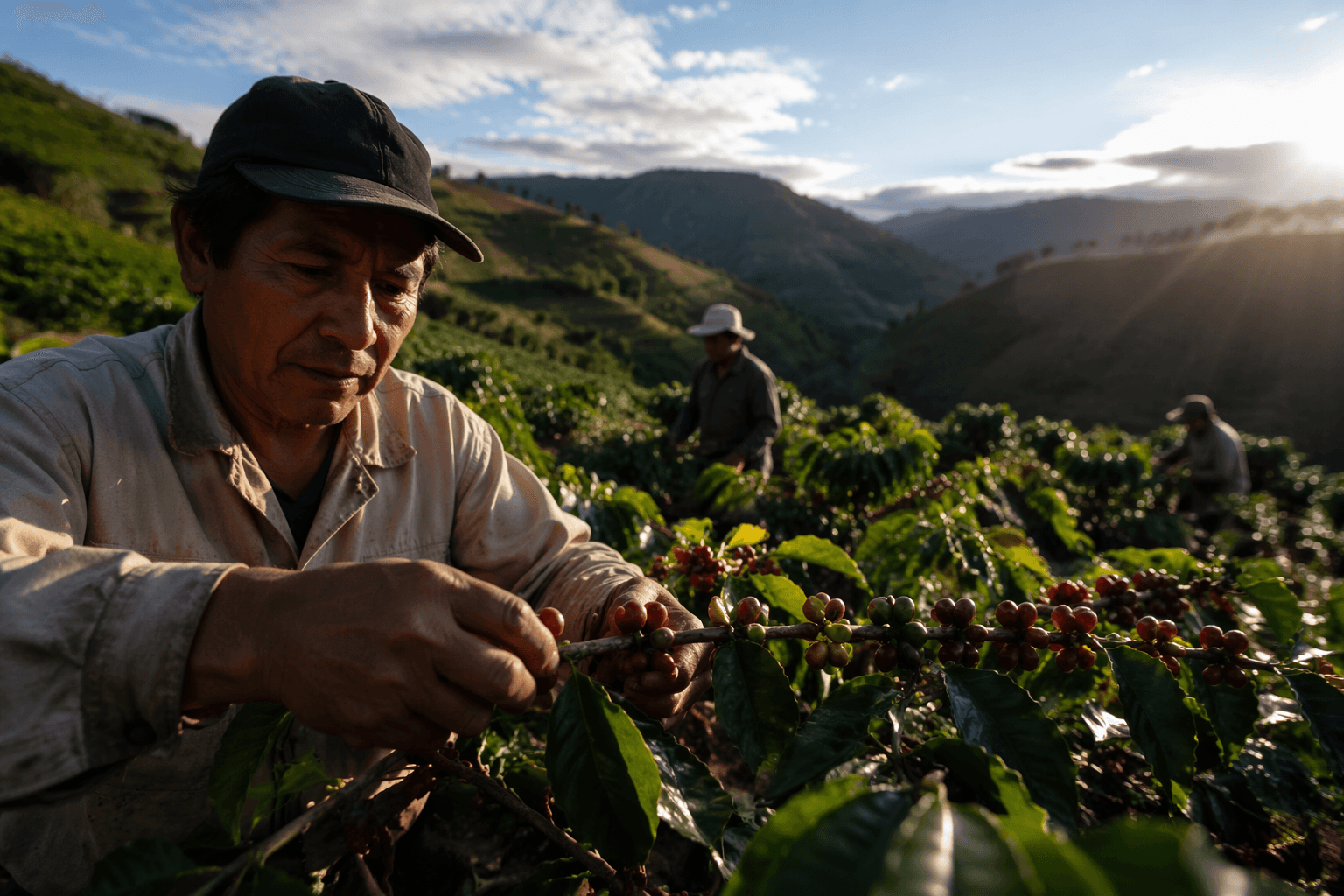
That pressure lands hardest on a sector built around small farms. More than 90% of Peru’s coffee comes from smallholders on plots smaller than five hectares, and coffee is grown in 16 of the country’s 25 regions. Cajamarca, San Martín, Junín and Amazonas account for the largest shares of production, and official specialty-coffee sources continue to point to those same regions as the core of Peru’s high-altitude Arabica profile. In practice, the crop is 100% Arabica and deeply dependent on farm-level decisions that shape cup quality long before export lots are assembled.
The economics are just as tight. Labor makes up about 58% of production costs, fertilizers 24% and agrochemicals 12%, leaving little room for error when weather turns or disease moves in. Limited access to credit remains a structural barrier, especially for farmers whose untitled land cannot be used as collateral. Many growers lean on cooperatives for better prices, technical support and marketing resources, but weak roads, inadequate storage and uneven processing capacity still slow Peru’s ability to move coffee cleanly and consistently to market.
Exports are still expected to hold up, with shipments projected at 4.55 million 60-kg bags in MY 2027. The United States accounted for 32% of Peru’s coffee exports in MY 2026, with Germany and Belgium next in line. Peru also remains the world’s leading exporter of organic coffee, with about 90,000 hectares under certification, and much of the crop is effectively organic by default because small growers cannot afford synthetic inputs.
That is the contradiction Peru keeps serving the coffee trade: stable export numbers, familiar regional names and a strong specialty identity, all resting on a supply chain where rust, roads and credit still decide how much of the crop reaches buyers in one piece.
This article was produced by Prism’s automated news system from verified source data, official records, and press releases, then run through automated quality and moderation checks before publishing. The system is built and supervised by the people who set the standards it runs under. Read our full AI policy.
Did this article answer your question?