Portable auto-tampers reshape espresso bars, BOSeTamper leads the shift
Portable auto-tampers are moving from novelty to workflow tool, and BOSeTamper’s wireless handheld design is forcing cafés to rethink space, speed and strain.
Portable auto-tampers are leaving the bench
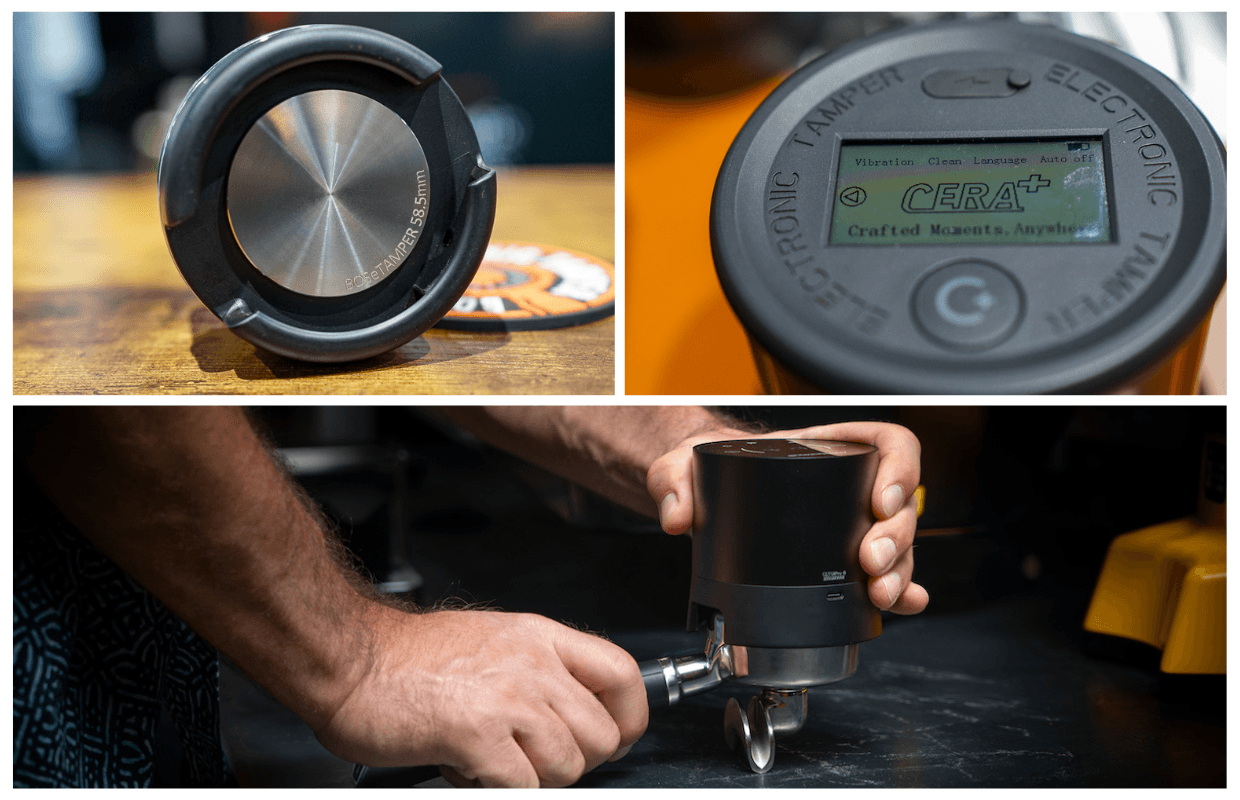
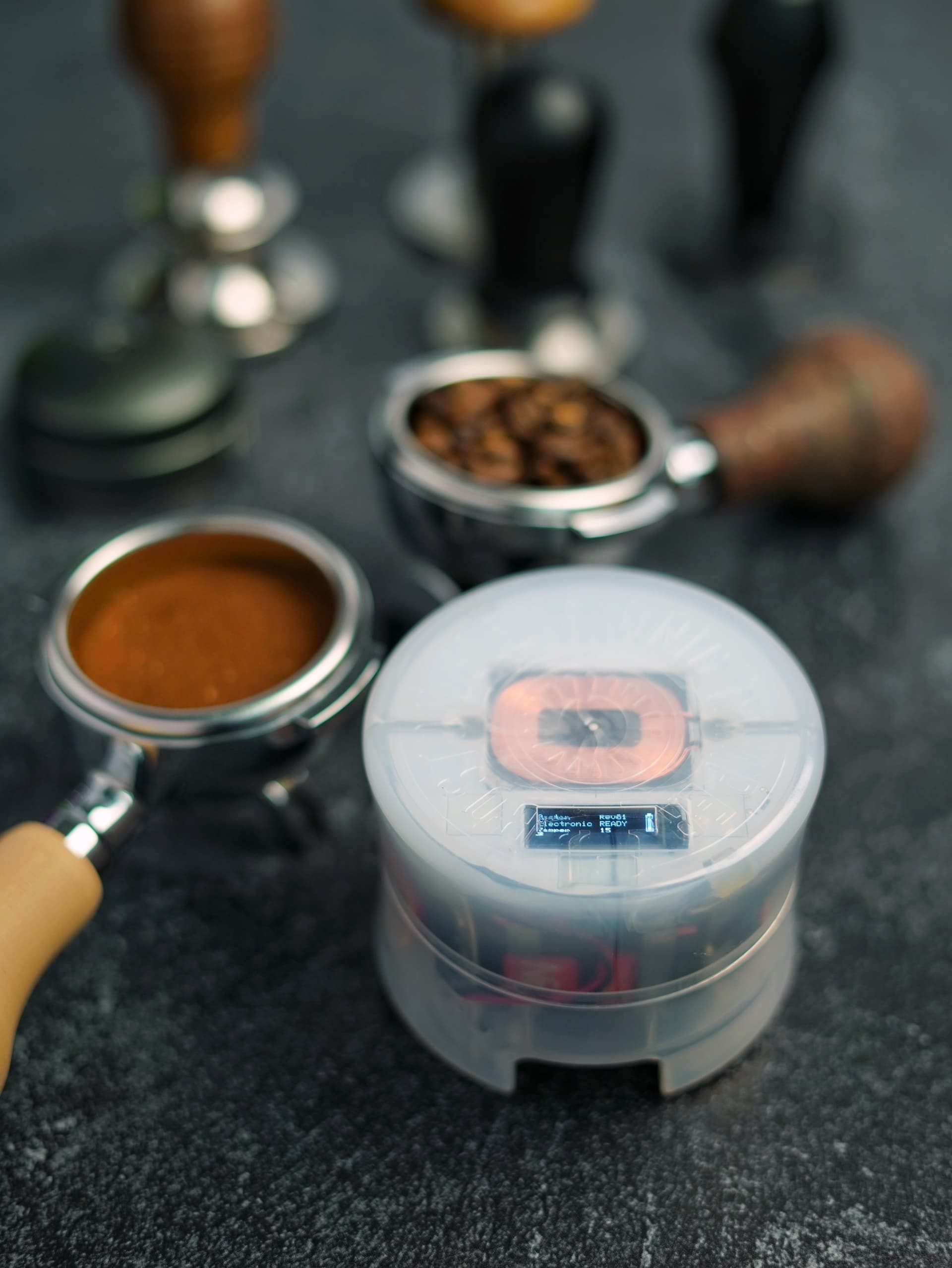
Espresso bars are starting to treat tamping less like a fixed station and more like a portable task. That shift is what makes BOSeTamper interesting: it takes auto-tamping out of the heavy bench-top category and turns it into something a barista can thread onto a portafilter, tamp consistently, then move on without sacrificing counter space or flow.
For busy cafés, mobile carts and pop-up bars, that is the real story. A device that levels the dose and applies pressure automatically, without reserving a permanent block of bar space, solves a different problem than the old oversized machines did. It is less about gadget appeal and more about whether a shop can move faster, stay compact and keep tamping uniform during a rush.
Why the category has room to grow
Auto-tampers did not arrive as an instant must-have. They became acceptable because they addressed a real pain point: repeatable tamping and the repetitive-stress load that comes with it. Retailers and equipment sellers regularly point to wrist, shoulder and elbow strain, especially in high-volume bars where baristas may tamp hundreds of doses per shift.
That ergonomics angle matters as much as consistency. Every espresso bar is trying to reduce one more variable between dose and extraction, and tamping has long been one of the most physically demanding steps. Portable auto-tampers sharpen that value proposition by removing the need for a fixed machine footprint while still delivering the same core benefit: a level puck and a controlled press.
The broader market already shows how far the category has come. Puq Press is often described as a global standard for automated espresso tamping and is used in over 60,000 cafés worldwide. Compak and Cinoart fill out the competitive landscape, but the wireless handheld format opens a different niche, one that favors flexibility over permanent installation.
How BOSeTamper got here
BOSeTamper comes from Radik Labs, the Boston-based startup founded in 2019 by entrepreneur Daniel Kurnianto. The brand emerged after the 2022 SCA Expo, first appearing as a compact handheld electric espresso tamper in beta, before maturing into a much more finished product line.
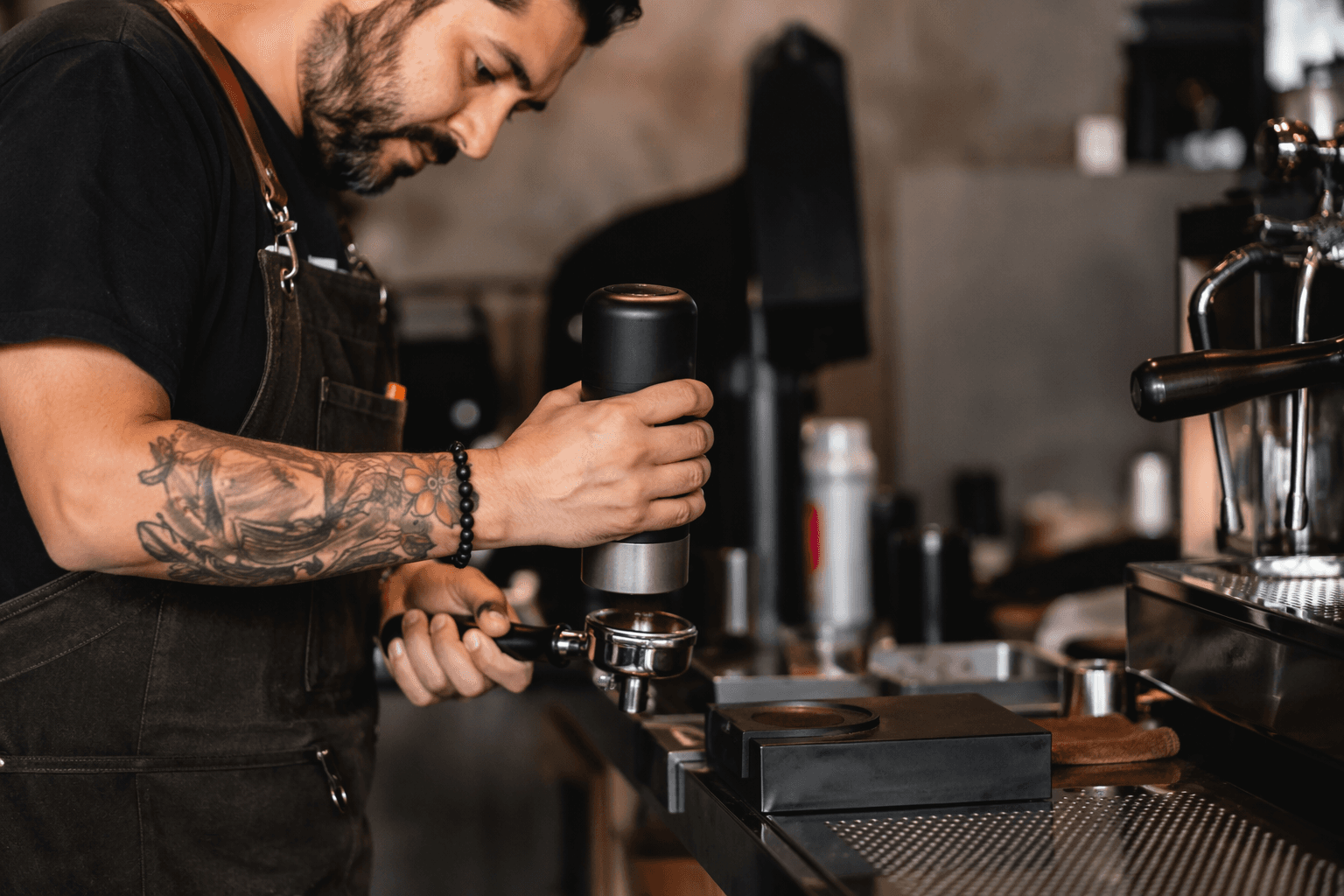
The timeline shows a clear shift from prototype to production-minded equipment. A 2022 launch announcement described the device as a compact-size handheld electric espresso tamper in commercial final beta release. By 2023, the product had moved from 3D printing to injection molding, a manufacturing change that made the unit lighter and more affordable.
That evolution matters because the auto-tamper category has often been limited by weight, size and cost. A lighter build and more practical manufacturing approach make the device easier to imagine on a crowded espresso bar, on a mobile cart, or in service setups where every inch of counter space is contested.
What the current BOSeTamper does
The current BOSeTamper version is built around a 58.5 mm flat steel tamping surface and is described as applying about 25 to 30 pounds of downward pressure to a maximum depth of roughly 20 mm into a portafilter basket. That puts the focus squarely on repeatability, not brute force.
Its programming is adjustable too. Users can configure tamping surfaces and tune depth, speed, pressure and the number of tamps per activation, which gives the device enough flexibility to fit different basket sizes, dosing styles and shop preferences. In practical terms, that means the tamper is not just pressing coffee, it is standardizing the part of the workflow that can drift when a bar gets busy.
The product is also explicitly designed around mobility. BOSeTamper is battery-powered and wireless-charging, according to the Specialty Coffee Association’s Best New Product Awards entry, which reinforces the point that this is not simply a smaller bench unit. It is meant to move with the bar, not anchor it.
Why the launch venue mattered
BOSeTamper’s latest push landed at World of Coffee San Diego, a major stage for specialty equipment. The event was scheduled for April 10-12, 2026, in San Diego, California, and was expected to bring in more than 15,000 attendees from over 90 countries.
That kind of venue is more than a product showcase. It is where new tools get judged by the people who actually have to make espresso bars work under pressure: roasters, café operators, competition baristas, service techs and equipment buyers. A portable auto-tamper launching there signals that the category is being discussed as operational infrastructure, not just another accessories demo.
Who actually benefits from portable auto-tamping
The strongest use cases are the ones with the least spare space and the most movement.
- Mobile carts and pop-ups benefit because they can carry a consistent tamping tool without committing to a full bench-top unit.
- Small cafés benefit because counter space stays open for grinders, scales and drink assembly.
- Competition baristas benefit because repeatable pressure and speed matter when every shot is timed.
- High-volume bars benefit because the device reduces one of the most repetitive physical actions in espresso prep.
That said, portable auto-tampers are not automatically the answer for every bar. A high-volume café already comfortable with a permanent automated tamper may not need the flexibility as much as a venue that changes layouts, runs events or works from temporary setups. The appeal is strongest when workflow is tight and the bar has to stay lean.
A niche tool, but a telling one
BOSeTamper is not just another espresso gadget trying to sell convenience. It sits at the intersection of ergonomics, consistency and bar design, which is why it feels more consequential than a novelty release. The move from bulky bench equipment to a wireless handheld format suggests that the next round of espresso upgrades may be less about adding machines and more about freeing bars from them.
That is the real takeaway from the portable auto-tamper shift: if espresso bars can tamp faster, reduce strain and reclaim counter space at the same time, then the category has a future well beyond the demo table.
This article was produced by Prism’s automated news system from verified source data, official records, and press releases, then run through automated quality and moderation checks before publishing. The system is built and supervised by the people who set the standards it runs under. Read our full AI policy.
Did this article answer your question?