ProfilePrint launches compact coffee analyzer for small producers
At 1.3 kg, ProfilePrint’s Mini Beluga puts lab-style green coffee analysis into a bag-friendly unit for farms, warehouses and roasteries.
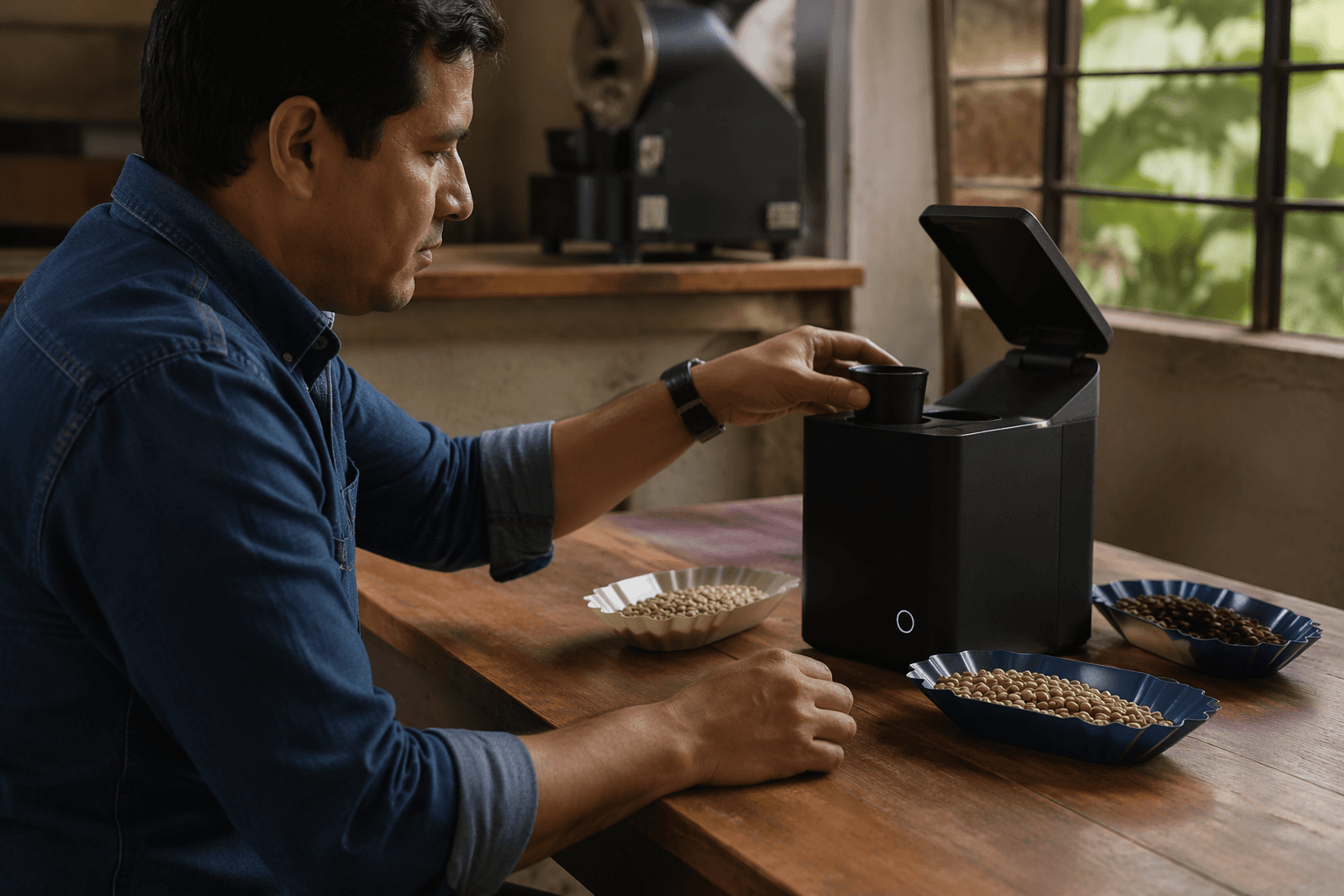
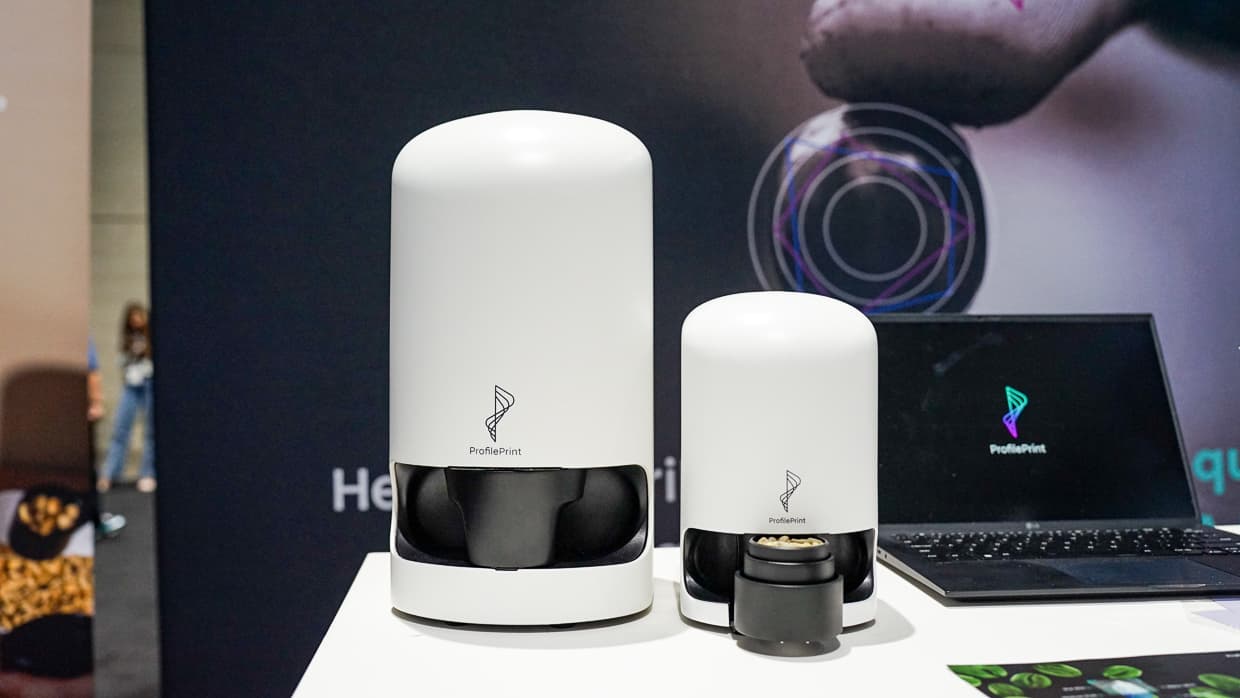
At 1.3 kilograms, ProfilePrint’s Mini Beluga was built to travel the coffee chain instead of sitting in a lab. The Singapore-based ingredient tech company introduced the compact analyzer at World of Coffee San Diego on June 8, pairing it with ProfilePrint Lite, a cloud service aimed at small and midsize producers, exporters and roasters that have rarely had access to this kind of sample analysis.
The pitch is simple: collect a digital molecular fingerprint from an inserted green coffee sample in minutes, send the data to ProfilePrint’s cloud, and turn it into origin, defect and sensory predictions. The company says the same platform can generate predicted SCA cupping scores, flavor notes and related quality information, using a database of more than 30,000 specialty coffee samples that were assessed by human Q Graders. Moisture tracking is built in as well, so users can compare early samples with later shipments, different harvest lots and beans sitting in roasteries or warehouses.
That matters most before a purchase is locked in. A small roaster can run a sample before buying, check it again when a container arrives, and compare it later during storage without needing a large, well-funded lab. ProfilePrint is also pushing the tool as a way for producers and exporters to present quality data to customers, while giving roasters a faster, more standardized way to compare lots and make roast-profile decisions. Users can layer their own cupping notes alongside the machine’s predictions in a single shareable report, which keeps human judgment in the loop instead of pretending it can be automated away.
The Mini Beluga is not ProfilePrint’s first step into coffee. The company announced agreements in September 2024 with Brazil’s Cooxupé and Minasul, along with Instituto CNA, and said it was developing non-visual defect detection for green coffee, including early-stage mold. CNBC reported in 2024 that ProfilePrint was founded in 2017, operated in more than 60 locations across six continents and drew 90% of its revenue from international markets, which helps explain why the company is now trying to move down-market from enterprise buyers toward smaller operators.
For the trade, the real shift is not that coffee got “more AI.” It is that lab-style assessment moved a little closer to the farm gate, the warehouse rack and the sample table. That does not instantly rewrite pricing power, but it does give smaller buyers and sellers a better shot at backing up quality claims with data, and in coffee, that kind of access can change who gets taken seriously.
This article was produced by Prism’s automated news system from verified source data, official records, and press releases, then run through automated quality and moderation checks before publishing. The system is built and supervised by the people who set the standards it runs under. Read our full AI policy.
Know something we missed? Have a correction or additional information?
Submit a Tip