SAI Platform launches regenerative agriculture framework for coffee supply chains
More than 40 food and agriculture businesses backed SAI Platform's regenerative framework, which adds verification protocols to coffee's push for shared standards.
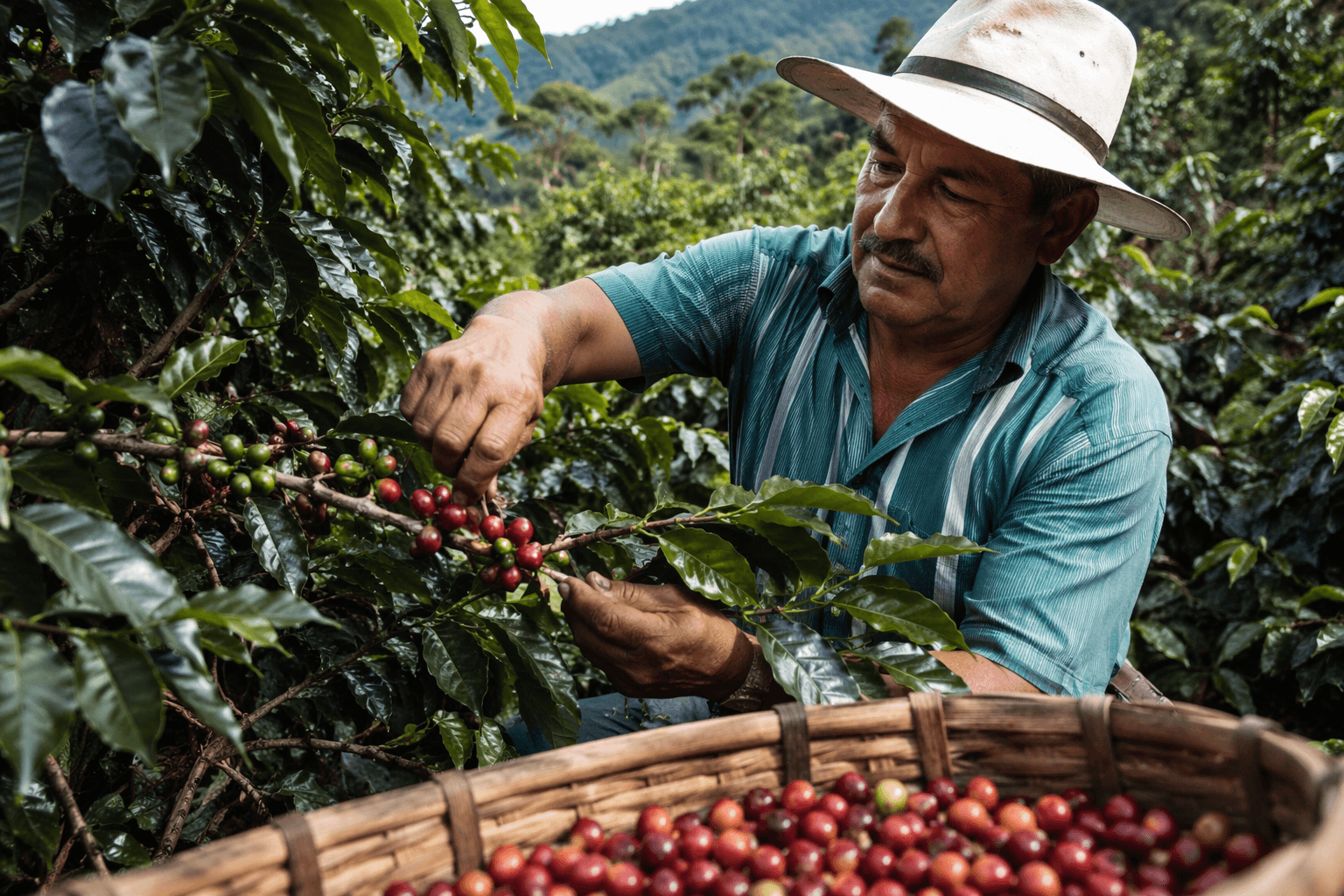
SAI Platform launched its Regenerating Together Programme with backing from more than 40 food and agriculture businesses, including Nestlé and Louis Dreyfus Company, and built the framework around verification protocols meant to check regenerative claims instead of leaving them as self-reported marketing. Dionys Foster called the launch "a landmark moment" and said "the hard part now is implementation at scale."
The programme rests on a four-step process and guidance for large and small production systems across crops, beef and dairy in all geographies. SAI Platform developed it with the World Business Council for Sustainable Development, Regen10 and EIT Food after more than four years of work, and validated it through more than 35 pilot initiatives across 25 countries and 23 production systems.
The Global Coffee Platform published its RegenCoffee Guidance on September 2, 2025 after a six-month collaborative effort with the coffee value chain. The guidance is anchored in the Coffee Sustainability Reference Code. Regenerative agriculture is a response to climate and environmental change, soil-health decline and the depletion of natural assets that threaten farmer livelihoods, productivity and supply resilience.
Nestlé says Nescafé sourced 53% of its green coffee from farmers adopting regenerative agriculture practices in 2025, while more than 100,000 coffee farmers in 15 countries received regenerative-agriculture-related training and more than 1,600 agronomists and field staff supported them that year. Nestlé launched Nescafé Plan 2030 in October 2022 with more than one billion Swiss francs earmarked by 2030 to make coffee farming more sustainable and help farmers transition to regenerative agriculture. GCP estimates $4 billion over seven years across nine coffee-producing countries could deliver an extra $2.6 billion in annual coffee exports, $2.1 billion in annual farm income for more than three million smallholders, and cut greenhouse gas emissions by 3.5 million metric tons of CO2e a year.
This article was produced by Prism’s automated news system from verified source data, official records, and press releases, then run through automated quality and moderation checks before publishing. The system is built and supervised by the people who set the standards it runs under. Read our full AI policy.
Did this article answer your question?