Specialty coffee keeps lead as espresso and cold drinks grow
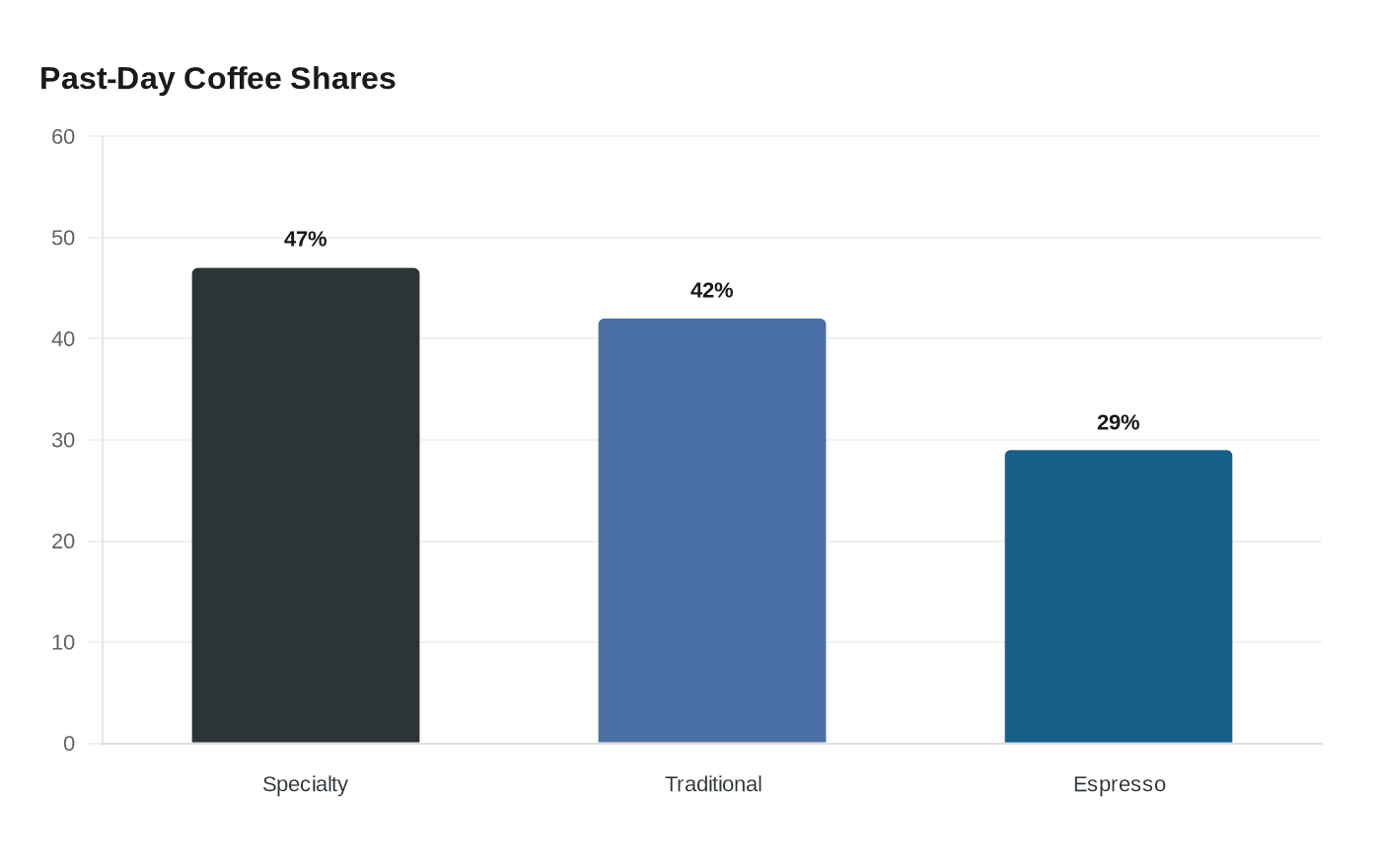
Specialty coffee stayed ahead of traditional coffee at 47% past-day use, while espresso-based and cold drinks kept climbing fast.
Specialty coffee did not just hold its lead in the U.S. market, it widened the gap in the ways that matter most to cafes and roasters. The National Coffee Association’s 2026 Specialty Coffee Report put past-day specialty coffee at 47%, ahead of traditional coffee at 42%, while espresso-based drinks reached a new high of 29% for the past day.
The numbers come from the Spring 2026 National Coffee Data Trends survey, conducted in January 2026 by Dig Insights. The NCDT, which the National Coffee Association says it has commissioned since 1950, is its longest-running study of U.S. coffee consumption, beverage preferences and consumer behavior. The specialty report was released with the Specialty Coffee Association, underscoring how closely the industry is tracking shifts in cup format as much as shifts in bean quality.
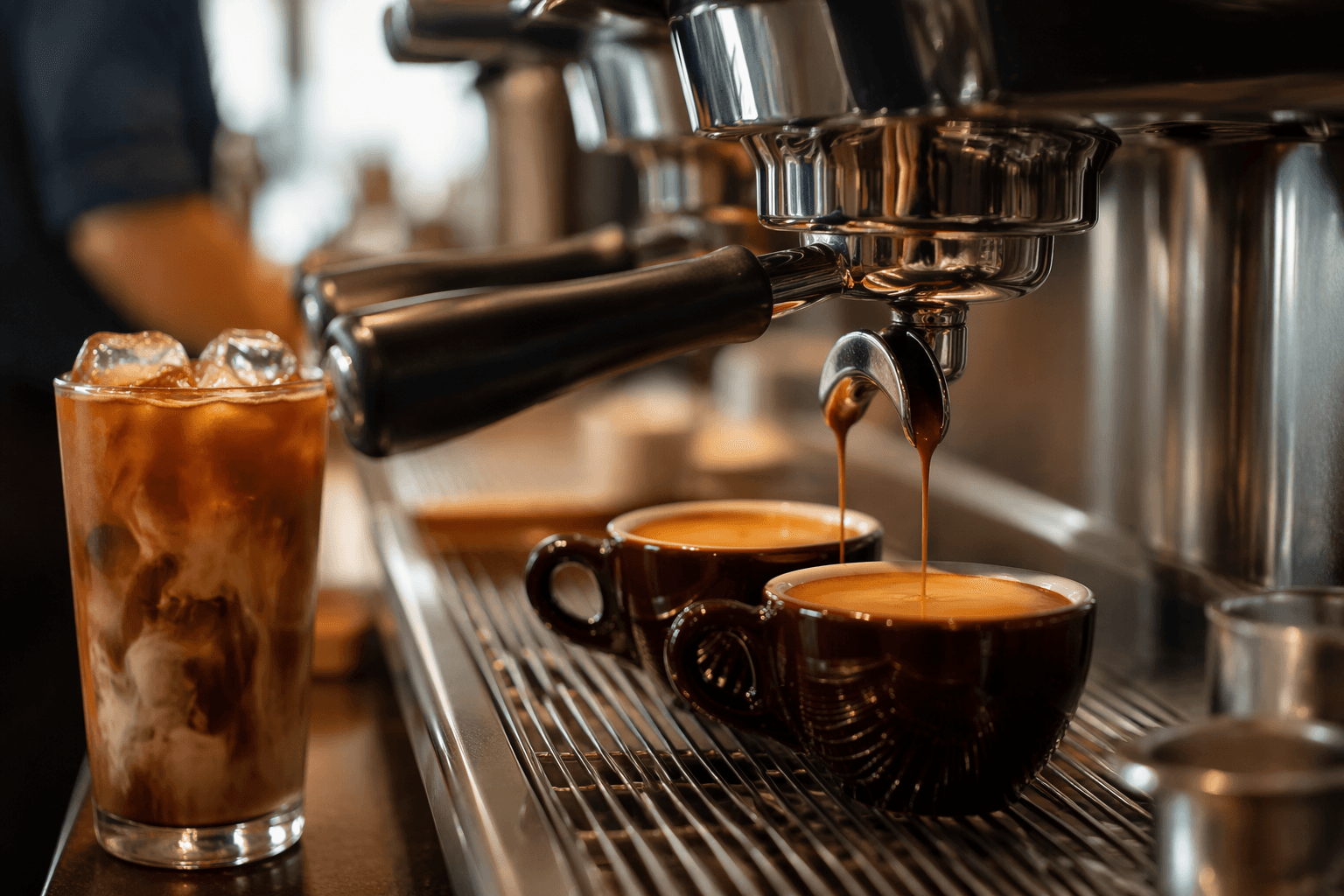
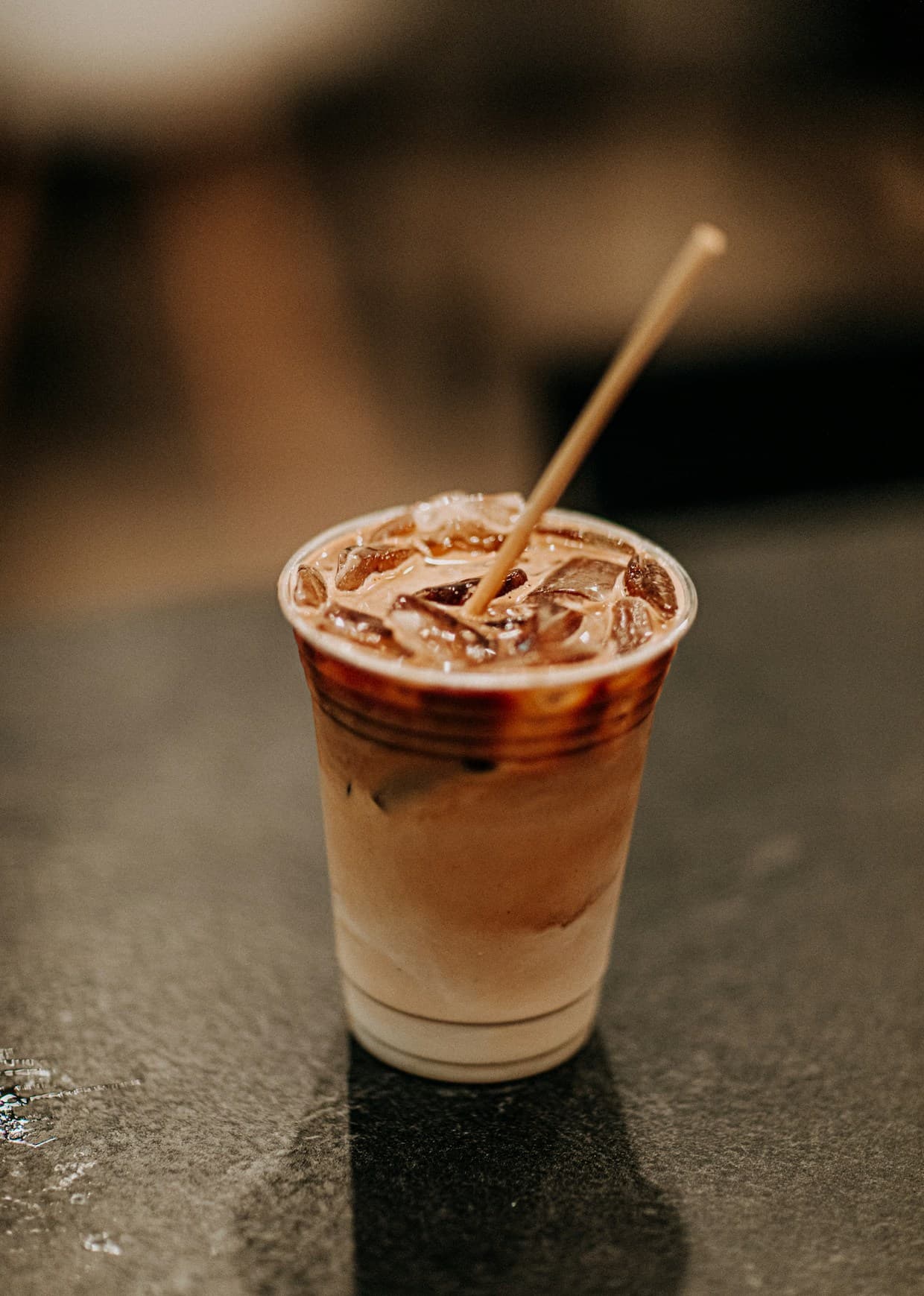
The weekly picture was even broader. Fifty-eight percent of Americans said they drank a specialty coffee beverage in the past week, up 10 percentage points since 2021. Espresso-based beverages reached 45% on a weekly basis, led by lattes at 21%, espresso at 20% and cappuccinos at 17%. Cold drinks kept pushing deeper into the specialty mix, too. Among past-day specialty coffee drinkers, 60% had a cold specialty coffee in the past week, up 6 points from 2025, while 38% had a cold espresso-based beverage, also up 6 points year over year.
The strongest pull came from younger adults. Among people ages 25 to 39, 69% drank specialty coffee in the past week, the highest rate in the report, and 60% in that age group had an espresso-based beverage in the past week. That points to a consumer base that is not just buying coffee for caffeine, but for format, customization and the visual appeal that cold and espresso drinks bring to the counter.

For operators, that shift has real consequences. More espresso and cold drinks mean more pressure on grinders, milk systems, cold storage and bar workflow, especially for chains and convenience operators chasing afternoon traffic. It also means specialty coffee now functions less like a side category and more like the engine driving menu innovation inside a market where nearly 195 million American adults drink coffee each week, supporting 2.2 million U.S. jobs and nearly $350 billion in annual economic activity.
The June 24, 2026 webinar, Specialty Coffee’s Flavorful Rise, featuring Josh Bennett of Dig Insights, suggests the industry is already looking past the headline lead. The larger story is not simply that specialty coffee stayed on top, but that espresso and cold drinks are increasingly defining what everyday coffee looks like.
This article was produced by Prism’s automated news system from verified source data, official records, and press releases, then run through automated quality and moderation checks before publishing. The system is built and supervised by the people who set the standards it runs under. Read our full AI policy.
Know something we missed? Have a correction or additional information?
Submit a Tip